Dinner · Part 3 of 3: Tips & recipe card
Crispy Chicken Katsu Green Curry Udon — One-Bowl Dinner Tips, FAQ & printable recipe
- Prep
- Cook
- Total
- Serves
- 4
Tips for success
Temperature control does most of the work in this recipe. Use a deep-fry or candy thermometer and hold the oil at 340°F; between 325°F and 350°F the panko crisps to a deep gold in the same time the thin cutlet cooks through.
If the oil climbs past 350°F, the crust darkens before the chicken is done, so pull the pan off the heat briefly. Fry two cutlets at a time at most, and let the oil come back to temperature between batches.
The broth rewards restraint and patience. Sizzle the paste until it actually darkens — that two-minute bloom is what makes a shortcut curry taste made from scratch.
Keep the coconut milk at a bare simmer, season in stages, and remember the udon keeps absorbing salt as it soaks, so the broth should taste a touch strong before the noodles go in. Fish out the lime leaves before serving if the bowls will sit more than a few minutes.
Variations
- Pork katsu bowl: Swap the chicken for thin boneless pork cutlets, pounded the same way. Bread and fry them identically, cooking to 145°F (63°C) with a three-minute rest, then slice and serve over the same green curry udon.
- Extra-heat version: Stir a teaspoon of chili crisp or sliced fresh bird's eye chilies into the broth with the fish sauce. The palm sugar balances the extra fire, and the basil on top cools each bite.
- Vegetable-forward bowl: Skip the chicken and crisp thick slices of eggplant and sweet potato in the same panko breading. Fry until golden and tender, then pile them over the curry udon in place of the katsu.
- Lemongrass lift: Add one bruised lemongrass stalk to the coconut broth along with the lime leaves, and fish both out before the noodles go in. The broth turns extra floral and fragrant.
Storage and make-ahead
- Fridge
- Refrigerate leftovers within 2 hours; keep katsu separate from curry and noodles, up to 3 days.
- Freezer
- Freeze the fried katsu, uncovered until solid, then wrapped, up to 1 month. The curry broth freezes well too; the noodles do not.
- Reheat
- Reheat katsu on a rack at 400°F for 8–10 minutes. Reheat broth gently on the stove; add noodles fresh or rewarm briefly.
Cool any leftovers for no more than two hours, then refrigerate. Store the katsu separately from the curry and noodles in airtight containers; the crust keeps much better dry. The curry and noodles keep together, though the noodles keep drinking broth and soften over time.
The curry broth is the ideal make-ahead component: cook it through the seasoning step up to three days ahead, then refrigerate and reheat gently while the noodles cook.
The chicken can be breaded in the morning, held uncovered on a rack in the refrigerator, and fried at dinnertime — the rest helps the coating adhere. Cooked udon is best made fresh, but the broth and breading can both be staged well before guests arrive.
Serving ideas
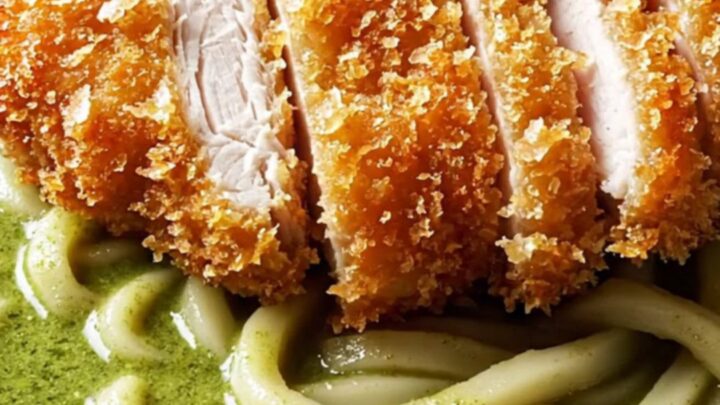
Serve in deep, wide bowls so the broth pools around the noodles while the katsu strips stay perched on top.
Twirl the noodles loosely rather than packing them tight; loose nests let the broth reach every strand. Scatter the Thai basil at the table, not the kitchen, so the leaves stay bright and fragrant.
Portion one cutlet per bowl, sliced into thick strips on a sharp knife with a single confident stroke — a sawing motion tears the crust. Offer extra torn basil at the table, and if the bowls will wait a minute or two, ladle the broth just before serving so the crust keeps its crackle to the last bite.
Frequently asked questions
Can the curry broth be made ahead of time?
Why did the katsu crust turn soggy?
Can dried udon be used instead of fresh?
How is the chicken checked for doneness?
What if the curry broth tastes flat?
Crispy Chicken Katsu Green Curry Udon — One-Bowl Dinner
Ingredients
- 9 oz chicken breast (250 g)
- Kosher salt, to taste
- 1/2 cup all-purpose flour, for dredging
- 2 eggs, beaten, for dredging
- 1 1/2 cups panko breadcrumbs
- 2 cups neutral frying oil, such as canola
- 1/4 cup green curry paste (60 g)
- 4 kaffir lime leaves, torn
- 1 2/3 cups coconut milk (400 ml)
- 3/4 cup chicken stock (200 ml)
- 2 tbsp fish sauce
- 2 tbsp palm sugar, grated
- 14 oz thick udon noodles (400 g)
- Thai basil leaves, for serving
Instructions
- Pat the chicken breasts dry with paper towels, then slice each one horizontally into two thin cutlets. Pound them between sheets of parchment to an even half-inch thickness, then season both sides with kosher salt so every bite is seasoned through.
- Set up a breading line: flour in the first shallow dish, beaten eggs in the second, panko in the third. Coat each cutlet in flour, shake off the excess, dip it in egg, then press it firmly into panko until every surface is thickly covered.
- Heat two inches of oil in a heavy skillet to 340°F. Fry the cutlets in batches for three to four minutes per side, turning once, until deep golden brown and 165°F (74°C) at the thickest point. Drain on a wire rack, never on paper.
- Wipe out the skillet and set it over medium heat. Add the green curry paste and the torn kaffir lime leaves. Sizzle for two minutes, stirring constantly, until the paste darkens, the oil separates and the kitchen smells strongly of lime and chilies.
- Pour in the coconut milk and chicken stock, scraping up every bit of paste stuck to the pan. Bring the broth to a gentle simmer and cook for five minutes, stirring occasionally, until it turns glossy, velvety and slightly thickened.
- Stir in the fish sauce and palm sugar, mixing until the sugar fully dissolves. Taste the broth and adjust: it should land salty, sweet and bright all at once, with the lime leaves still perfuming every spoonful. Lower the heat while the noodles cook.
- Meanwhile, cook the udon noodles in a large pot of boiling water until just tender, about four minutes for thick fresh noodles. Drain them well, then slide them straight into the simmering curry and let them soak for three minutes, turning gently.
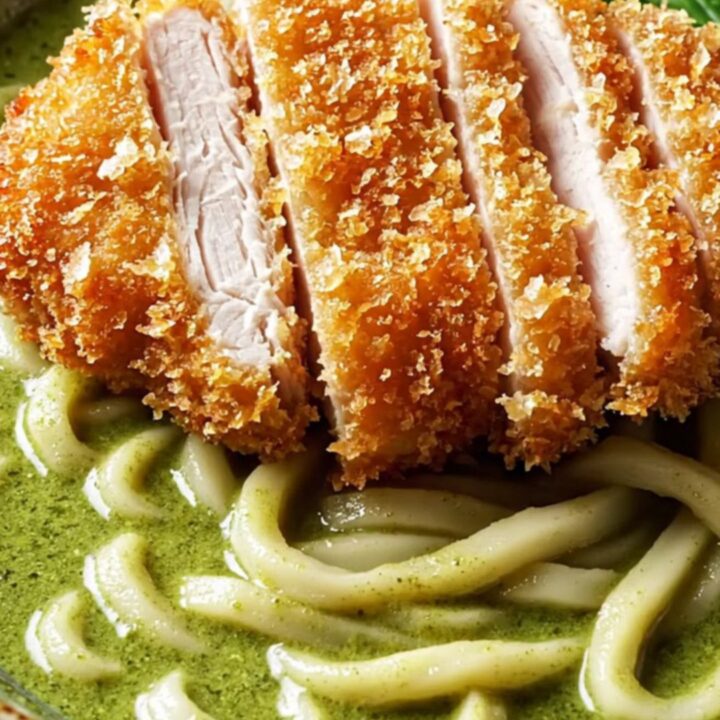
- Slice the chicken katsu into thick strips. Twirl the curry-coated noodles into deep bowls, ladle the emerald broth over them, then lay the sliced katsu on top so the crust stays above the liquid. Scatter Thai basil leaves over everything and serve right away.
Estimated nutrition per serving
- Calories
- 620
- Protein
- 32 g
- Carbohydrates
- 62 g
- Fat
- 26 g
- Fiber
- 3 g
- Sugar
- 8 g
- Sodium
- 980 mg
Next recipe
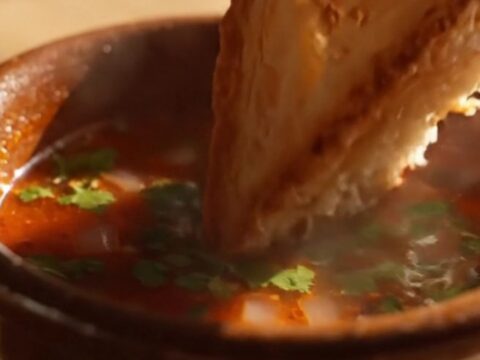
Birria Grilled Cheese with a Crispy Cheese Crust
See the recipe → →This recipe is based on a short cooking video and is published under the pen name Clara Weller. It was checked before publication, but errors can slip through. Nutrition, when shown, is an estimate. Read more in our editorial policy and on our food safety page.
More recipes to try
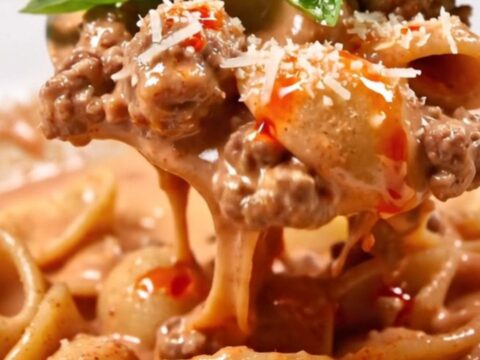
One-Skillet Vodka Bolognese Orecchiette with Spicy Sausage
Total time: 45 min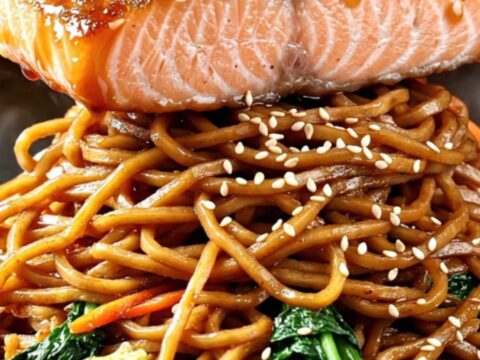
Crispy Teriyaki Salmon Yakisoba in 20 Minutes
Total time: 25 min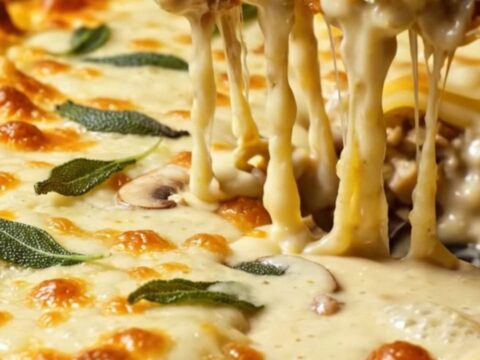
White Truffle Mushroom Lasagna with Crispy Sage
Total time: 1 h 30 min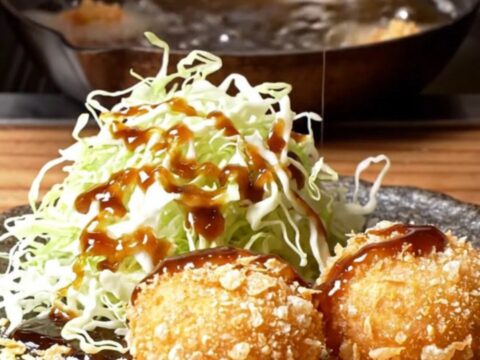
Crispy Wagyu Potato Korokke in 30 Minutes
Total time: 1 h 15 min
Crockpot Cheesy Scalloped Potatoes and Country Ribs, Hands-Off
Total time: 7 h 50 min