Dinner · Part 3 of 3: Tips & recipe card
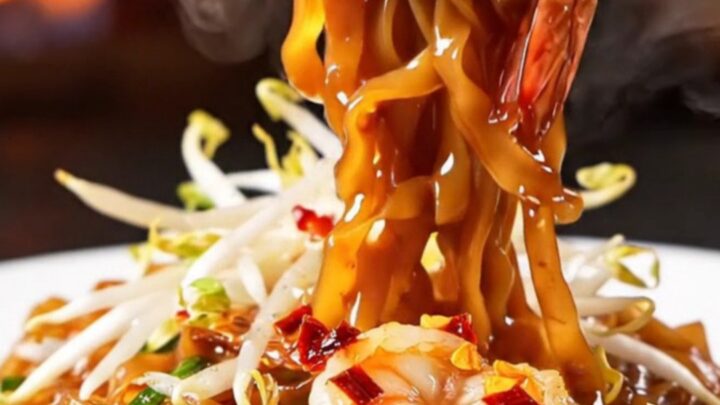
Quick Smoky Wok Pad Thai with Tiger Prawns Tips, FAQ & printable recipe
- Prep
- Cook
- Total
- Serves
- 2
Tips for success
To achieve the best wok hei, make sure your wok is seasoned and very hot before adding any ingredients. Heat it over maximum heat for at least 2 minutes before adding oil. Use an oil with a high smoke point, such as peanut oil or canola oil.
When you add the noodles, keep them moving constantly to prevent sticking. If the wok becomes too dry, add a splash of water or chicken broth—this will also help create steam to cook the noodles evenly.
For the most authentic flavor, use tamarind paste rather than a prepared sauce. Tamarind paste can be found in Asian markets; it has a tangy, fruity flavor that is essential. If using palm sugar, chop it finely or dissolve it in the sauce mixture to ensure it melts quickly.
Fish sauce adds umami and salt; adjust the amount to your taste. If you prefer a vegetarian version, substitute soy sauce or mushroom sauce for fish sauce, and omit the prawns or replace with extra tofu.
Variations
- Chicken Pad Thai: Substitute thinly sliced chicken breast for the tiger prawns. Sear the chicken in the hot wok until cooked through and golden, then proceed with the rest of the recipe. Ensure the chicken reaches 165°F (74°C) before serving.
- Vegetarian Pad Thai: Omit the prawns and fish sauce. Use extra-firm tofu or tempeh for protein, and replace fish sauce with soy sauce or a vegetarian stir-fry sauce. Add more vegetables like shredded carrots or bell peppers for color and crunch.
- Spicy Pad Thai: Add 1-2 fresh bird's eye chilies, sliced, along with the garlic chives. Increase the chili flakes in the final garnish to taste. For extra heat, drizzle with a little sriracha before serving.
- Shrimp and Squid Pad Thai: Use a mix of tiger prawns and cleaned squid, cut into rings. Sear the squid briefly in the hot wok until opaque and just cooked, then remove and add back at the end to avoid overcooking.
Storage and make-ahead
- Fridge
- Store leftovers in an airtight container in the refrigerator for up to 3 days.
- Freezer
- Not recommended for freezing; the texture of the noodles and sprouts will degrade.
- Reheat
- Reheat in a wok or skillet over high heat with a splash of water or oil until hot and slightly charred.
Leftover Pad Thai can be stored in an airtight container in the refrigerator for up to 3 days. To reheat, use a wok or skillet over high heat with a splash of water or oil to refresh the noodles. The texture will be slightly softer, but the flavor remains delicious. For best results, reheat only the portion you plan to eat.
You can prepare the sauce and soak the noodles up to a day in advance. Keep the sauce in a sealed container in the refrigerator, and store the soaked noodles in the fridge in a covered bowl.
When ready to cook, bring the noodles to room temperature and drain well. Have all other ingredients prepped and ready. The actual cooking takes only a few minutes, so this make-ahead approach makes dinner even faster.
Serving ideas
Serve the Pad Thai immediately after cooking, straight from the wok to the plate. Garnish generously with crushed peanuts, a squeeze of fresh lime, and chili flakes. Provide extra lime wedges and chili flakes at the table so each person can adjust the balance to their liking. A side of fresh cucumber slices or a simple green salad would complement the dish nicely, but it is also satisfying on its own.
For a more substantial meal, add a fried egg on top, as is common in some Thai restaurants. The runny yolk (if you choose to serve it that way) enriches the noodles, but for food safety, ensure the egg is fully cooked if serving to vulnerable individuals.
Alternatively, serve with grilled chicken skewers or spring rolls for a festive spread. Pad Thai is a versatile dish that pairs well with Thai iced tea or a crisp lager.
Frequently asked questions
Why does the Pad Thai stick to the wok?
Can this recipe be made without a wok?
How can the dish be made less sweet?
What is the best way to soak rice noodles?
Can the eggs be omitted or replaced?
Quick Smoky Wok Pad Thai with Tiger Prawns
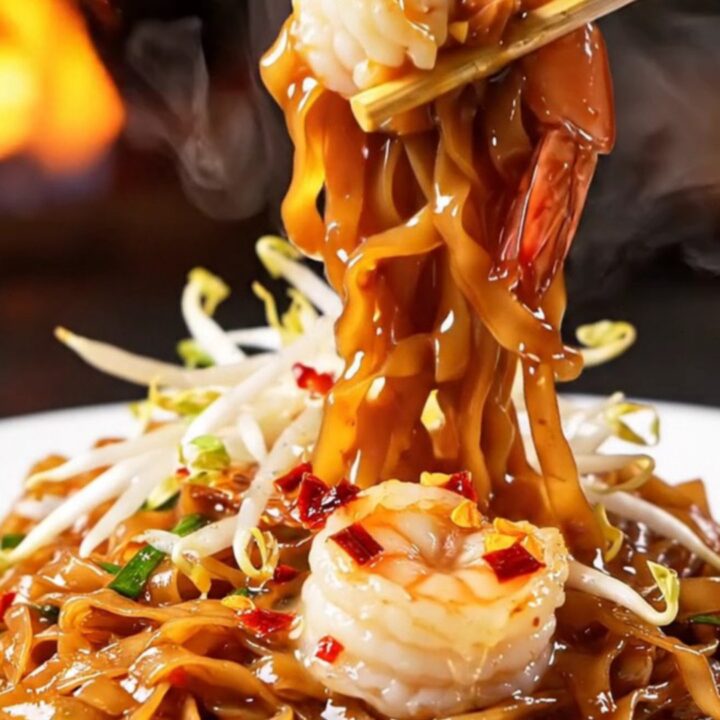
Ingredients
- 80 ml tamarind-palm sugar fish sauce mixture
- 200 g soaked chantaboon rice noodles
- 200 g tiger prawns, peeled and deveined
- 100 g pressed tofu, cut into small cubes
- 1 bunch garlic chives, cut into 2-inch pieces
- 2 farm eggs
- 1 cup crisp bean sprouts
- 1/4 cup crushed peanuts, for serving
- 1 lime, cut into wedges, for serving
- Chili flakes, for serving
Instructions
- Soak the chantaboon rice noodles in warm water according to package directions until pliable but not fully soft; drain well. In a small bowl, whisk together the tamarind-palm sugar fish sauce mixture. Pat the tiger prawns dry with paper towels. Cut the pressed tofu into small cubes and the garlic chives into 2-inch pieces. Have all ingredients within reach of the wok.
- Place a carbon-steel wok over the highest heat your burner can produce. Heat until a drop of water sizzles and evaporates instantly and the wok just begins to smoke. Add a small amount of neutral oil and swirl to coat the entire surface.
- Add the tiger prawns to the hot wok in a single layer. Sear without moving for 30 seconds, then flip and cook for another 30 seconds until they turn pink and are nearly opaque. Push the prawns to one side of the wok. Add the pressed tofu and garlic chives, stirring constantly for about 1 minute until the chives soften and the tofu is lightly browned.
- Add the soaked rice noodles to the wok, spreading them out. Pour the tamarind-palm sugar fish sauce mixture over the noodles. Use tongs or a spatula to toss everything together continuously, lifting and turning the noodles so they absorb the sauce and caramelize slightly. Cook for about 2 minutes, keeping the heat high.
- Push the noodle-prawn mixture to one side of the wok, clearing a space in the center. Crack the eggs directly into the cleared area. Let them set for a few seconds, then scramble them with the spatula until they are just set but still moist. Fold the scrambled eggs into the noodles along with the crisp bean sprouts.
- Continue to toss all ingredients together over high heat for another minute, allowing the noodles to pick up smoky char marks and the flavors to meld. The sauce should cling to the noodles rather than pool at the bottom. If the mixture looks dry, add a splash of water or more sauce.
- Transfer the Pad Thai to a serving platter or individual plates. Top with crushed peanuts and a generous squeeze of fresh lime juice. Sprinkle with chili flakes to taste. Serve immediately while hot and smoky.
Estimated nutrition per serving
- Calories
- 620
- Protein
- 32 g
- Carbohydrates
- 68 g
- Fat
- 24 g
Next recipe

Authentic Taiwanese Popcorn Chicken with Crispy Thai Basil
See the recipe → →This recipe is based on a short cooking video and is published under the pen name Clara Weller. It was checked before publication, but errors can slip through. Nutrition, when shown, is an estimate. Read more in our editorial policy and on our food safety page.
More recipes to try
Cheesy Korean Rabokki: Spicy Ramen and Rice Cakes
Total time: 15 min
Crispy Honey Butter Garlic Chicken Tenders
Total time: 16 min
Double-Fried Korean Yangnyeom Chicken Wings
Total time: 36 min
Creamy Rose Tteokbokki with Bacon and Mozzarella
Total time: 20 min
Caramelized Unagi Sushi Bake with Avocado Cream Cheese
Total time: 37 min