Dinner · Part 1 of 3: Ingredients
Quick Smoky Wok Pad Thai with Tiger Prawns
- Prep
- Cook
- Total
- Serves
- 2
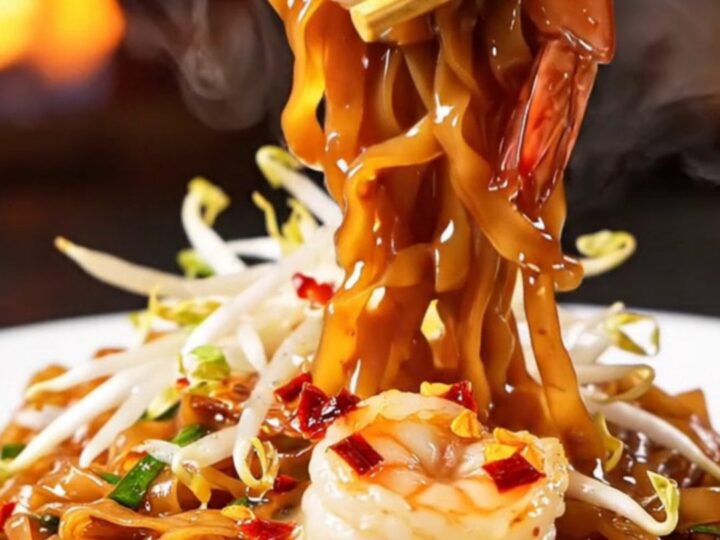
Real smoky wok Pad Thai takes just four minutes on high heat. This recipe brings the bustling Bangkok street kitchen to your home, with glossy tamarind-glazed rice noodles, seared tiger prawns, scrambled eggs, and crisp bean sprouts—all tossed in a blazing carbon-steel wok. The high heat creates the coveted wok hei, a smoky, charred flavor that defines authentic Pad Thai. Ready in minutes, this is the ultimate quick weeknight dinner that tastes like it came from a street vendor.
Pad Thai is Thailand's most famous noodle dish, beloved for its balance of sweet, sour, salty, and savory flavors. This version focuses on speed and technique: using a screaming-hot wok to sear the prawns, caramelize the tamarind sauce, and scramble the eggs in seconds.
The result is a dish that is simultaneously light and deeply satisfying, with tender noodles, juicy prawns, and a hint of char. Whether you're a seasoned cook or new to wok cooking, this recipe is designed to deliver authentic results in under 15 minutes from start to finish.
Ingredients
Sauce
- 80 ml tamarind-palm sugar fish sauce mixture
- 200 g soaked chantaboon rice noodles
- 200 g tiger prawns, peeled and deveined
- 100 g pressed tofu, cut into small cubes
- 1 bunch garlic chives, cut into 2-inch pieces
- 2 farm eggs
- 1 cup crisp bean sprouts
For serving
- 1/4 cup crushed peanuts, for serving
- 1 lime, cut into wedges, for serving
- Chili flakes, for serving
Why this recipe works
The key to this Pad Thai's success is the intense heat of a carbon-steel wok. When the wok is heated until it just begins to smoke, the ingredients hit the surface and sear instantly, creating the complex, smoky flavor known as wok hei.
This high-heat cooking also ensures that the prawns remain juicy and the noodles develop a slight caramelization that adds depth. The tamarind-palm sugar fish sauce mixture balances sweet, sour, and salty, coating each noodle with a glossy, flavorful glaze.
Another essential technique is the order of cooking: sear the proteins first, then add the noodles and sauce, and finally scramble the eggs in the cleared center of the wok. This layering ensures that each component is cooked perfectly without overcooking. The eggs are folded in just before serving, so they remain soft and tender, while the bean sprouts stay crisp for a refreshing crunch. The result is a harmonious medley of textures and flavors that is both authentic and achievable at home.
Notes and substitutions
Chantaboon rice noodles are the traditional choice for Pad Thai, known for their ability to absorb sauce without becoming mushy. They are available at Asian grocery stores and online. If unavailable, use any flat rice noodle labeled for Pad Thai or stir-fry.
Soak them in warm water until pliable but not fully soft; they will finish cooking in the wok. The tamarind-palm sugar fish sauce mixture is a combination of tamarind paste, palm sugar, and fish sauce, but you can use a store-bought Pad Thai sauce for convenience.
A carbon-steel wok is ideal because it conducts heat evenly and develops a non-stick patina over time. If you don't have one, a large cast-iron skillet or a heavy stainless-steel pan can work, but the heat must be very high.
Pressed tofu is used because it holds its shape and browns nicely; regular tofu can be pressed with paper towels to remove excess moisture. Garlic chives have a mild garlic flavor; scallions are an acceptable substitute. Always have all ingredients prepped and within reach before you start cooking, as the process moves quickly.
- tiger prawns: large shrimp, peeled and deveined
- pressed tofu: extra-firm tofu, pressed and cubed
- garlic chives: thinly sliced scallions (green parts only)
- tamarind-palm sugar fish sauce mixture: store-bought pad thai sauce, if preferred
Equipment
- Carbon-steel wok
- Wok spatula or tongs
- Large pot for soaking noodles
- Measuring cups and spoons
- Small bowl for sauce
- Chef's knife and cutting board
Up next · Part 2 of 3
7 steps · 5 min of cooking · what to look for at each stage
Step-by-step instructions (Part 2)