Dinner · Part 3 of 3: Tips & recipe card
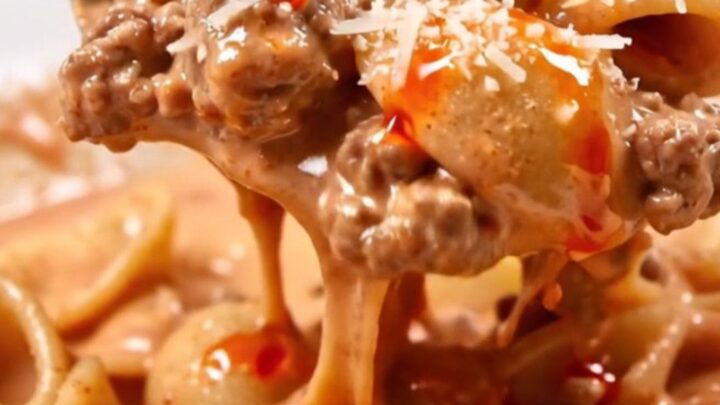
One-Skillet Vodka Bolognese Orecchiette with Spicy Sausage Tips, FAQ & printable recipe
- Prep
- Cook
- Total
- Serves
- 4
Tips for success
Season the pasta water generously — the noodles only absorb flavor while they boil, and undersalted pasta tastes flat against a rich cream sauce. Taste the sauce twice: once after the vodka reduces, when you can still adjust the tomato paste, and once after the cream goes in, when the salt from the sausage and the Pecorino has landed. If it tastes flat at that second taste, a small drizzle of the chili oil wakes it up better than more cheese, which can tip the sauce toward salty.
Work the pasta water like an ingredient, not an afterthought. A ladle added with the cream helps the sauce emulsify early; a final splash after the cheese goes in restores the glossy flow if the pasta has drunk up the sauce while you tossed.
Fold the orecchiette into the sauce rather than pouring sauce over drained noodles in a bowl — thirty seconds of tossing in the warm pan is what fills each little cup. Serve extra chili oil at the table as well; heat seekers will reach for it, and it keeps the top of the dish looking bright.
Variations
- Extra-Fiery Version: Swap in hot Italian sausage for the spicy variety and double the chili oil drizzle. A pinch of crushed red pepper bloomed with the garlic pushes the heat further without touching the creamy balance of the sauce.
- All-Beef Ragù: Use a full pound of ground beef in place of the sausage for a milder, more traditional Bolognese character. Add an extra drizzle of chili oil at the end to recover the spicy edge the sausage provided.
- Gentler Cream: Replace a quarter cup of the heavy cream with additional pasta water for a more tomato-forward pink sauce. Fold the Pecorino in off the heat exactly as written so the thinner sauce still turns glossy.
- Rigatoni Swap: Rigatoni works when orecchiette is unavailable; its ridges and tubes trap the meaty sauce in a different but equally satisfying way. Simmer the sauce an extra two minutes so it is thick enough to cling to the taller shapes.
Storage and make-ahead
- Fridge
- Refrigerate leftovers in an airtight container for up to 3 days; the sauce thickens as it chills and loosens again when reheated.
- Freezer
- Freeze the sauce alone, without the pasta, for up to 2 months in a freezer-safe container or heavy freezer bag.
- Reheat
- Reheat gently on the stove over low with a splash of cream or pasta water, stirring until the sauce turns glossy again.
Let leftovers cool on the counter for no more than two hours, then transfer them to an airtight container and refrigerate. The sauce thickens considerably as it chills and the pasta keeps drinking moisture, so it will look tighter the next day than it did at dinner.
Kept this way, the dish holds well for up to three days. If you know ahead of time that you are cooking for leftovers, consider holding back a portion of sauce before the pasta goes in — sauce-only containers reheat far better than mixed ones, and a fresh batch of pasta takes only minutes.
The Bolognese-vodka base — everything through the vodka reduction — can be made up to two days ahead. Cool it and refrigerate it in a container. When dinnertime comes, reheat it gently over medium-low, stir in the cream and proceed with the pasta exactly as written.
The starch from a fresh pot of pasta water re-emulsifies a refrigerated sauce beautifully, often better than on the first night. Do not cook the pasta ahead; orecchiette loses its tender bite and the little cups collapse into the sauce if they sit dressed for long.
Serving ideas
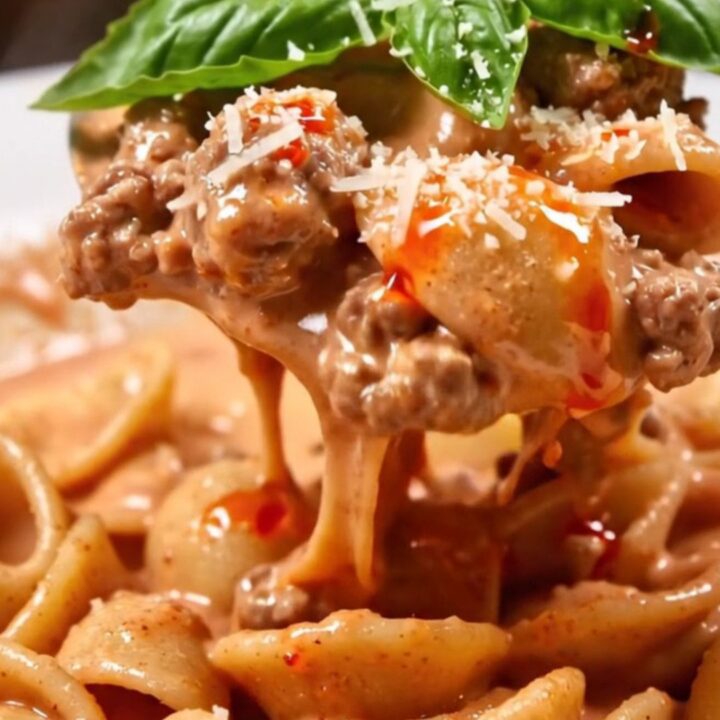
Serve this straight from the skillet at the table, in warmed wide bowls that give the sauce room to spread around each mound of pasta. A last-minute grating of Pecorino over the top, a few torn basil leaves and a thin spiral of chili oil finish the plate — the red oil against the pink sauce is part of the appeal.
Offer extra chili oil and extra Pecorino alongside; this is a dish people adjust at the table, and both keep well in small bowls for the length of a meal. Warmed bowls matter more than they seem: hot ceramic keeps the cream sauce fluid to the last bite.
Portion about a quarter of the skillet per bowl so every serving gets a fair share of the meaty sauce — the meat settles toward the bottom of the pan during the final toss, so dig deep with the spoon when plating. Cut the richness with a sharp, acidic salad of bitter greens dressed simply, the usual counterpoint to a cream-rich pasta. Left to their own devices, guests will happily go back for seconds straight from the pan, which is exactly what a dish like this is built for at a casual dinner.
Frequently asked questions
Can the sauce be made ahead?
What can replace the vodka?
Why did the sauce turn grainy?
Can this be frozen?
Which pasta works if orecchiette is unavailable?
One-Skillet Vodka Bolognese Orecchiette with Spicy Sausage
Ingredients
- 10 1/2 oz ground beef (Wagyu)
- 7 oz spicy Italian sausage, casings removed if linked
- 4 garlic cloves, minced
- 1/3 cup tomato paste
- 1/4 cup vodka
- 3/4 cup heavy cream
- 1/2 cup pasta water, reserved from cooking
- 14 oz orecchiette
- 1 cup finely grated Pecorino Romano
- Fresh basil leaves, for serving
- Chili oil, for serving
Instructions
- Grate the Pecorino Romano on the fine holes of a box grater and set it in a bowl near the stove, then mince the garlic cloves. Measure the vodka, heavy cream and tomato paste into cups and line them up beside the skillet so nothing gets scrambled once the meat starts sizzling.
- Set a large pot of water over high heat and bring it to a rolling boil for the orecchiette. Keep the pot uncovered and at a full boil, because a ladle of this starchy water goes into the sauce later and more may be needed to loosen it at the end.
- Place the deep skillet over medium-high heat. Add the ground beef and the spicy Italian sausage, breaking everything up with a wooden spoon. Brown hard, stirring only occasionally, until no pink remains anywhere and the meat reads 160°F (71°C) on an instant-read thermometer.
- Push the browned meat to one side of the skillet and drop the minced garlic into the rendered fat. Let it bloom for about thirty seconds, stirring, then fold it through the meat so it toasts evenly without catching on the hot bottom of the pan.
- Add the tomato paste and fry it in the fat, stirring constantly, for two to three minutes. Let it darken from bright red to a deep brick color and cling to the meat in places, coating everything in the pan with a roasted tomato sheen.
- Pull the skillet off the heat and pour in the vodka, scraping the bottom with the wooden spoon to lift every browned bit loose. Return the pan to medium and let the vodka reduce for a minute or two, until the sharp alcohol smell fades from the steam.
- Stir in the heavy cream and half the reserved pasta water, then hold the sauce at a gentle simmer over medium-low for about six minutes, around 190°F (88°C) — a lazy bubble, never a rolling boil. Stir from the edges as it thickens and turns pink.
- Boil the orecchiette until just al dente, reserve any remaining pasta water, then drain. Pull the skillet off the heat and fold the hot pasta into the sauce with the grated Pecorino, adding splashes of pasta water until every cup is filled and glossy. Top with torn basil and a drizzle of chili oil and serve immediately.
Estimated nutrition per serving
- Calories
- 950
- Protein
- 45 g
- Carbohydrates
- 80 g
- Fat
- 52 g
- Sodium
- 1100 mg
Next recipe
Crispy Teriyaki Salmon Yakisoba in 20 Minutes
See the recipe → →This recipe is based on a short cooking video and is published under the pen name Clara Weller. It was checked before publication, but errors can slip through. Nutrition, when shown, is an estimate. Read more in our editorial policy and on our food safety page.
More recipes to try
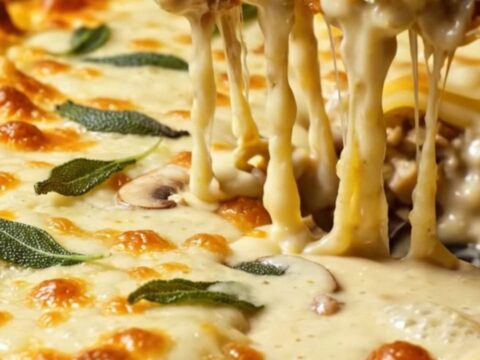
White Truffle Mushroom Lasagna with Crispy Sage
Total time: 1 h 30 min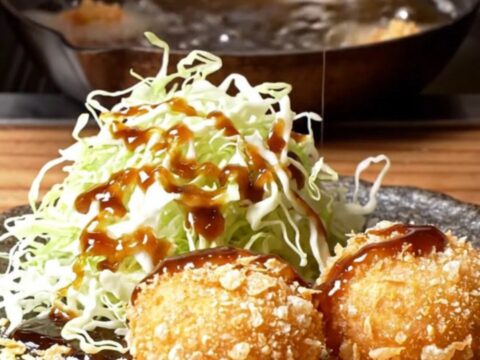
Crispy Wagyu Potato Korokke in 30 Minutes
Total time: 1 h 15 min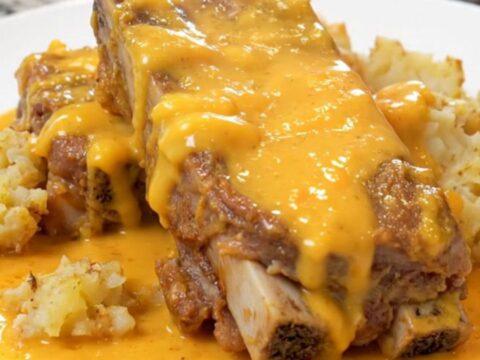
Crockpot Cheesy Scalloped Potatoes and Country Ribs, Hands-Off
Total time: 7 h 50 min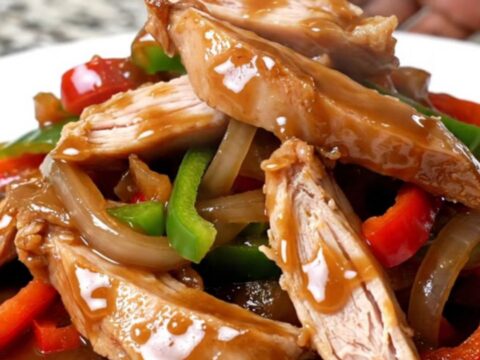
Crockpot Turkey Pepper Steak with Peppers and Onions
Total time: 4 h 15 min
Creamy Cajun Chicken Drumsticks in the Slow Cooker
Total time: 4 h 50 min