Breakfast · Part 3 of 3: Tips & recipe card
Turkish Braided Brioche Buns with Feta Tips, FAQ & printable recipe
- Prep
- Cook
- Total
- Serves
- 12
Tips for success
For the softest buns, use a kitchen scale to measure your flour. Too much flour can make the dough dry and dense. When kneading, if the dough sticks to your hands, lightly oil your hands rather than adding more flour.
This keeps the dough tender. Let the dough rise in a warm, draft-free place; a turned-off oven with the light on works well. If your kitchen is cool, the rise may take longer, so be patient.
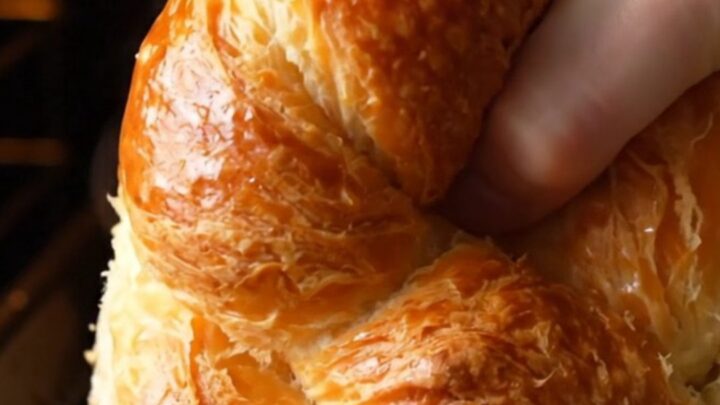
The egg wash should be applied gently with a pastry brush, covering the entire surface for an even shine. For an extra-glossy finish, you can apply a second coat after the first has dried slightly.
Nigella seeds have a subtle onion-like flavor; if you prefer a milder taste, use sesame seeds instead. To make ahead, prepare the dough through the shaping step, then cover and refrigerate overnight. Let the buns come to room temperature before baking.
Variations
- Spinach and Feta: Add 1/2 cup of well-drained chopped cooked spinach to the feta filling. Squeeze out excess moisture to avoid a soggy bun. The spinach adds color and extra flavor.
- Herb and Cheese: Substitute the parsley with a mix of fresh dill, mint, and chives. You can also add a pinch of dried oregano or za'atar to the filling for a more complex flavor.
- Sweet Version: Omit the feta and parsley. Instead, fill the buns with a spoonful of Nutella or a sprinkle of cinnamon sugar. Brush with egg wash and bake as directed. A perfect sweet treat for breakfast.
- Everything Bagel: Instead of nigella seeds, use a everything bagel seasoning blend on top. The garlic and onion flavors pair well with the feta. You can also add a little minced garlic to the filling.
Storage and make-ahead
- Fridge
- Store leftover buns in an airtight container in the refrigerator for up to 5 days. Reheat before serving to restore softness.
- Freezer
- Freeze baked buns in a zip-top bag for up to 3 months. Thaw at room temperature and reheat in a 350°F (175°C) oven for 5-7 minutes.
- Reheat
- Reheat in a 350°F (175°C) oven for 5-7 minutes or microwave for 20-30 seconds until warm and soft.
Store leftover buns in an airtight container at room temperature for up to 2 days. To keep them soft, place a slice of bread in the container—it will absorb excess moisture and keep the buns from drying out. For longer storage, wrap the buns tightly in plastic wrap and refrigerate for up to 5 days, or freeze for up to 3 months.
The dough can be prepared the night before and refrigerated after the first rise. The next day, let it come to room temperature, then shape and bake as directed. The shaped buns can also be frozen before the final rise.
Place them on a baking sheet, freeze until solid, then transfer to a zip-top bag. When ready to bake, let them thaw and rise in the refrigerator overnight, then bake as directed.
Serving ideas
These buns are best served warm, straight from the oven, when the feta is melty and the bread is at its softest. They pair beautifully with a cup of Turkish tea or coffee for breakfast or brunch.
For a fuller meal, serve them alongside a fresh salad or a bowl of soup. The savory filling makes them satisfying enough to be a light lunch on their own.
To reheat, wrap the buns in foil and warm them in a 350°F (175°C) oven for 5-7 minutes, or microwave for 20-30 seconds. Avoid overheating, as this can dry them out. If you have leftover buns, you can also split them and toast them for a crispy exterior and soft interior. These buns are versatile and delicious at any time of day.
Frequently asked questions
Can these buns be made without eggs?
Why did your buns come out dense?
Can the dough be frozen?
How do you know when the buns are fully baked?
Can you use bread flour instead of all-purpose flour?
Turkish Braided Brioche Buns with Feta

Ingredients
- 1 cup warm milk
- 1 cup warm water
- 1/2 cup vegetable oil
- 1 egg white
- 2 tbsp sugar
- 1 packet active dry yeast (2 1/4 tsp)
- 5 cups all-purpose flour
- 1 1/2 cups crumbled feta cheese
- 1/2 cup chopped fresh parsley
- 1 egg yolk
- 1 tbsp milk
- 2 tbsp nigella seeds
Instructions
- In a large bowl, whisk together the warm milk, warm water, vegetable oil, egg white, sugar, and yeast. Let sit for 5 minutes until frothy. Gradually add the flour, stirring with a wooden spoon until a soft dough forms. Turn out onto a floured surface and knead for 8-10 minutes until smooth and elastic.
- Place the dough in a lightly oiled bowl, cover with a clean kitchen towel, and let rise in a warm spot for about 1 hour, or until doubled in size.
- In a small bowl, mix the crumbled feta and chopped parsley until well combined. Set aside.
- Punch down the risen dough and divide it into 12 equal pieces. Roll each piece into a small oval, about 4 inches long and 3 inches wide. Using a sharp knife, cut three diagonal slits on each side of the oval, leaving the center intact. Place a spoonful of the feta mixture in the center. Fold the strips over the filling, alternating from left and right, to create a braided pattern. Pinch the ends to seal.
- Place the braided buns on a parchment-lined baking sheet, leaving about 2 inches between them. Cover loosely with a towel and let rest for 15-20 minutes while the oven preheats.
- Preheat the oven to 375°F (190°C). In a small bowl, whisk the egg yolk with the milk to make an egg wash. Brush the tops of the buns generously with the egg wash, then sprinkle with nigella seeds.
- Bake the buns in the preheated oven for 20 minutes, or until they are puffed and deep golden brown. The internal temperature of the buns should reach 160°F (71°C) to ensure the egg is fully cooked.
- Remove the buns from the oven and let them cool on the baking sheet for 5 minutes, then transfer to a wire rack. Serve warm or at room temperature.
Estimated nutrition per serving
- Calories
- 320
- Protein
- 9 g
- Carbohydrates
- 45 g
- Fat
- 12 g
Next recipe

Turkish Flower Brioche Buns with Hazelnut Chocolate
See the recipe → →This recipe is based on a short cooking video and is published under the pen name Clara Weller. It was checked before publication, but errors can slip through. Nutrition, when shown, is an estimate. Read more in our editorial policy and on our food safety page.
More recipes to try
Fluffy Turkish Sheet-Pan Cake with Feta and Herbs
Total time: 50 min
Ultra-Crispy Skillet Cheese Börek
Total time: 23 min
Giant Savory Turkish Pancakes Loaded with Sausage and Molten Cheese
Total time: 49 min
Two-Tone Chocolate Croissant Buns: Easy French-Style Pastry
Total time: 1 h 12 min
Hashbrown Smash Burger with Maple Sausage and a Fried Egg
Total time: 25 min