Breakfast · Part 1 of 3: Ingredients
Turkish Braided Brioche Buns with Feta
- Prep
- Cook
- Total
- Serves
- 12
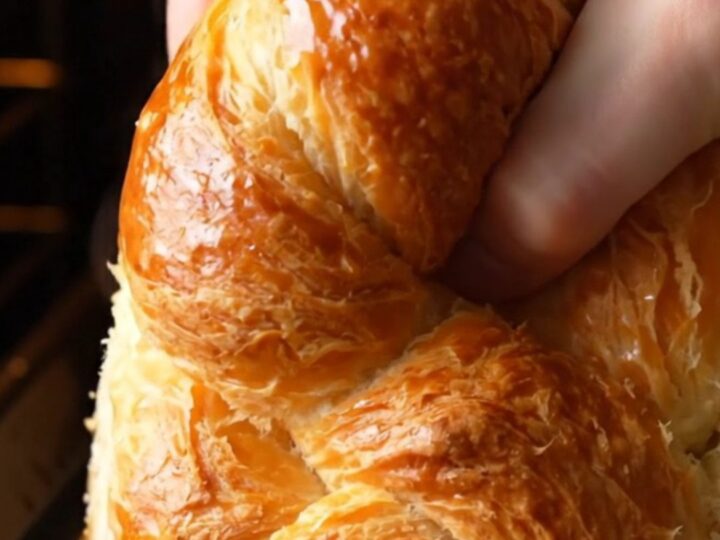
Imagine pulling apart a golden, braided bun to reveal a cloud-like crumb stuffed with savory feta and fresh herbs. These Turkish braided brioche buns are softer than clouds and look like they came from a professional bakery.
The combination of milk and water in the dough creates an incredibly tender texture, while the egg wash gives a glossy, amber finish. Whether served for breakfast, brunch, or as a snack, these buns are sure to impress with their beautiful plait and irresistible aroma.
These Turkish braided brioche buns, known as poğaça, are a beloved staple in Turkish bakeries and homes. The dough is enriched with milk, oil, and a touch of sugar, resulting in a soft, pillowy crumb that practically melts in your mouth.
Each bun is filled with a simple yet flavorful mixture of crumbled feta and fresh parsley, then braided and baked to a golden perfection. The braiding technique is easier than it looks and adds a stunning visual appeal that makes these buns perfect for special occasions or a delightful weekend baking project.
Ingredients
- 1 cup warm milk
- 1 cup warm water
- 1/2 cup vegetable oil
- 1 egg white
- 2 tbsp sugar
- 1 packet active dry yeast (2 1/4 tsp)
- 5 cups all-purpose flour
Filling
- 1 1/2 cups crumbled feta cheese
- 1/2 cup chopped fresh parsley
Egg Wash
- 1 egg yolk
- 1 tbsp milk
Topping
- 2 tbsp nigella seeds
Why this recipe works
The secret to these buns' incredible softness lies in the combination of warm milk and warm water. The milk adds richness and tenderness, while the water helps create a lighter texture.
The vegetable oil contributes moisture and keeps the buns soft for days, making them perfect for making ahead. The dough is kneaded until smooth and elastic, developing the gluten structure needed for that satisfying pull-apart crumb.
The braiding technique not only makes the buns look beautiful but also creates little nooks and crannies that catch the egg wash and seeds, adding texture and flavor.
The feta filling provides a salty, tangy contrast to the slightly sweet dough, while the parsley adds a fresh, herbal note. The result is a perfectly balanced bun that is both visually stunning and deliciously satisfying.
Notes and substitutions
Use full-fat feta for the best flavor and texture. If the feta is very salty, you can rinse it briefly and pat it dry before crumbling. For the dough, all-purpose flour works perfectly, but bread flour can be substituted for a slightly chewier texture. Make sure the milk and water are warm but not hot—around 110°F (43°C)—to activate the yeast without killing it.
The dough can be made ahead and refrigerated overnight after the first rise. Just punch it down, cover tightly, and refrigerate. The next day, let it come to room temperature before shaping. You can also freeze the shaped, unbaked buns for up to a month; bake them directly from the freezer, adding a few minutes to the baking time.
- vegetable oil: melted butter or olive oil for a richer flavor
- feta cheese: ricotta salata or crumbled goat cheese
- fresh parsley: chopped fresh dill or mint
- nigella seeds: sesame seeds or poppy seeds
Equipment
- Large mixing bowl
- Whisk
- Rolling pin
- Sharp knife
- Baking sheet
- Parchment paper
- Pastry brush
- Clean kitchen towel
Up next · Part 2 of 3
8 steps · 20 min of cooking · what to look for at each stage
Step-by-step instructions (Part 2)