Breakfast · Part 2 of 3: Instructions
Turkish Braided Brioche Buns with Feta Step-by-step instructions
- Prep
- Cook
- Total
- Serves
- 12
Before you start
Before starting, gather all your ingredients and equipment. Make sure the milk and water are warm to the touch but not hot. Crumble the feta and chop the parsley, mixing them together in a small bowl. Line a baking sheet with parchment paper.
Have a clean kitchen towel ready for covering the dough. If using active dry yeast, dissolve it in the warm water with a pinch of sugar and let it sit for 5 minutes until frothy to ensure it's alive.
Ingredients at a glance (12)
- 1 cup warm milk
- 1 cup warm water
- 1/2 cup vegetable oil
- 1 egg white
- 2 tbsp sugar
- 1 packet active dry yeast (2 1/4 tsp)
- 5 cups all-purpose flour
- 1 1/2 cups crumbled feta cheese
- 1/2 cup chopped fresh parsley
- 1 egg yolk
- 1 tbsp milk
- 2 tbsp nigella seeds
Instructions
Mix and Rise
- Make the doughIn a large bowl, whisk together the warm milk, warm water, vegetable oil, egg white, sugar, and yeast. Let sit for 5 minutes until frothy. Gradually add the flour, stirring with a wooden spoon until a soft dough forms. Turn out onto a floured surface and knead for 8-10 minutes until smooth and elastic.Look for The dough should be supple and not sticky, pulling away from the bowl.Tip If the dough is too sticky, add a little more flour, a tablespoon at a time.
- Let the dough risePlace the dough in a lightly oiled bowl, cover with a clean kitchen towel, and let rise in a warm spot for about 1 hour, or until doubled in size.Look for The dough should be puffy and doubled in volume.Tip A warm oven (turned off) with the light on is a great spot for rising.
After mixing, the dough should be soft, supple, and slightly sticky. Once risen, it should be doubled in size, airy, and fragrant with yeast. The dough should spring back when gently pressed with a finger. If it doesn't, let it rise a little longer. This phase sets the foundation for a light and fluffy texture.
Shape and Fill
- Prepare the fillingIn a small bowl, mix the crumbled feta and chopped parsley until well combined. Set aside.Look for The filling should be well blended and crumbly.Tip Pat the feta dry with paper towels if it's very wet to avoid soggy buns.
- Shape the bunsPunch down the risen dough and divide it into 12 equal pieces. Roll each piece into a small oval, about 4 inches long and 3 inches wide. Using a sharp knife, cut three diagonal slits on each side of the oval, leaving the center intact. Place a spoonful of the feta mixture in the center. Fold the strips over the filling, alternating from left and right, to create a braided pattern. Pinch the ends to seal.Look for The braids should be neat and the filling enclosed.Tip Keep the strips even in width for a uniform look.
- Arrange and restPlace the braided buns on a parchment-lined baking sheet, leaving about 2 inches between them. Cover loosely with a towel and let rest for 15-20 minutes while the oven preheats.Look for The buns will puff slightly during the rest.Tip This short rest helps the buns become extra soft.
The filling should be well combined and crumbly. The shaped buns should be neat with the braid pattern clearly visible. The edges should be pinched to seal in the filling. After resting, the buns should look slightly puffy. The kitchen should smell of fresh dough and herbs. This phase is where the buns take on their signature look.
Bake to Golden
- Preheat and brushPreheat the oven to 375°F (190°C). In a small bowl, whisk the egg yolk with the milk to make an egg wash. Brush the tops of the buns generously with the egg wash, then sprinkle with nigella seeds.Look for The buns should be glossy and coated with seeds.Tip Use a light hand with the egg wash to avoid pooling.
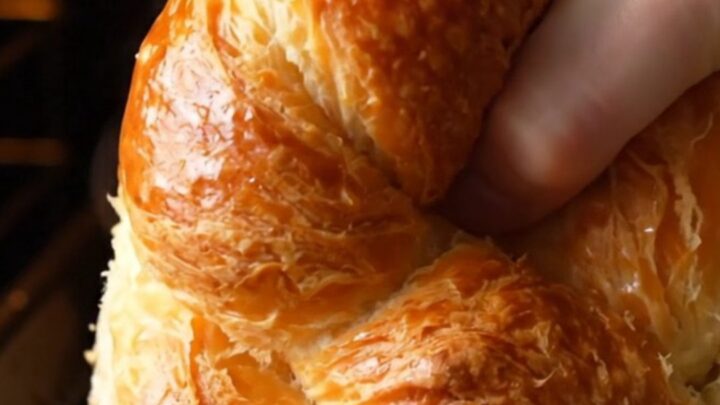
- Bake the bunsBake the buns in the preheated oven for 20 minutes, or until they are puffed and deep golden brown. The internal temperature of the buns should reach 160°F (71°C) to ensure the egg is fully cooked.Look for The tops should be glossy and amber, and the buns should sound hollow when tapped.Safe temperature 160°F (71°C) internal temperature (egg dishes)Tip If the tops brown too quickly, tent loosely with foil.
- Cool and serveRemove the buns from the oven and let them cool on the baking sheet for 5 minutes, then transfer to a wire rack. Serve warm or at room temperature.Look for The buns should be soft and spring back when pressed.Tip Warm buns are especially delicious with a pat of butter.
As the buns bake, they will puff up and turn a glossy amber color. The aroma of fresh bread and toasted seeds will fill the kitchen.
When done, the buns should be deep golden brown and sound hollow when tapped. The internal temperature should reach 160°F (71°C). They should spring back when pressed, and the filling should be hot and melted.
Common mistakes
One common mistake is over-kneading the dough, which can make the buns tough. Knead only until smooth and elastic. Another pitfall is using cold ingredients, which can prevent the yeast from activating properly.
Always use warm milk and water. When shaping, be careful not to overfill the buns, as the filling can leak out during baking. Finally, don't skip the egg wash—it gives the buns their beautiful shine and helps the seeds stick.
How to tell it’s done
The buns are done when they are puffed, deep golden brown, and sound hollow when tapped on the bottom. The internal temperature should read 160°F (71°C) to ensure the egg is fully cooked.
If you press gently on a bun, it should spring back immediately, indicating a soft and airy crumb. Let them cool for a few minutes before serving to allow the filling to set slightly.
- Egg dishes: 160°F (71°C) in the thickest part
Up next · Part 3 of 3
4 variations · storage & make-ahead · 5 answers · printable card
Tips, FAQ & printable recipe (Part 3)← Back to the ingredients (Part 1)