Dinner · Part 3 of 3: Tips & recipe card
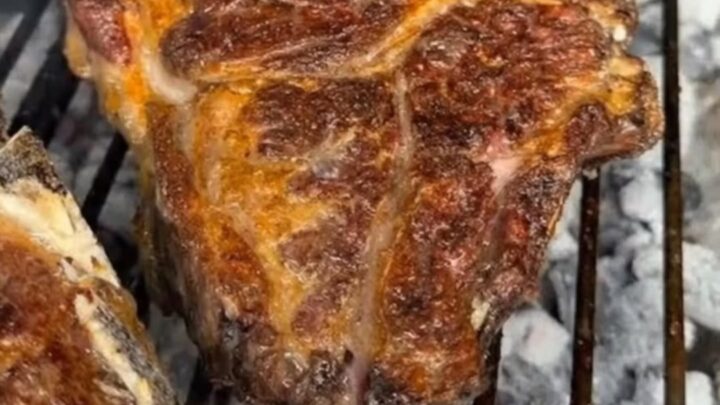
Grilled Bone-In Ribeye Steak with a Perfect Charred Crust Tips, FAQ & printable recipe
- Prep
- Cook
- Total
- Serves
- 2
Tips for success
Salt timing is flexible. Seasoning right before grilling gives the classic crusty exterior; salting up to a day ahead, held uncovered in the refrigerator, lets the salt dissolve into a quick dry brine that seasons deeper and dries the surface for a faster crust.
Trim nothing: the fat cap renders into flavor, and the bone is both a handle and a heat buffer. If flare-ups become steady rather than occasional, move the steak to the cool side immediately; burned fat tastes acrid and cannot be un-burned.
Thermometer technique decides accuracy. Insert the probe sideways into the thickest part of the muscle, never against the bone, which reads falsely warm, and pull-and-check rather than leaving it in during a hard sear. Calibrate it in ice water once a season. For a deeper crust without burning, alternate 90 seconds direct, 30 seconds indirect, rotating the steak a quarter turn with each move — the crosshatch look comes from this discipline, not from luck.
Variations
- Skillet ribeye: Heat a cast-iron skillet over high heat until lightly smoking, add a tablespoon of neutral oil, and sear the steak 4 to 5 minutes per side. Finish in a 400°F (200°C) oven if the interior needs more time, then rest and slice as directed.
- Reverse sear: Cook the seasoned steak on the cool side of the grill, lid closed, until it reaches about 120°F (49°C) internally, then sear over direct heat 1 to 2 minutes per side until it hits 145°F (63°C). The edge-to-edge rosy interior rewards the extra patience.
- Smoky spice rub: Whisk 1 tsp smoked paprika, 1 tsp garlic powder and 1/2 tsp onion powder into the salt and pepper before seasoning. The spices toast against the hot grate and deepen the crust's flavor without covering the taste of the beef.
- Butter baste: During the last 2 minutes on the cool side, add a knob of butter, a smashed garlic clove and a sprig of thyme to a grill-safe pan and spoon the foaming butter over the steak repeatedly before resting it on the board.
Storage and make-ahead
- Fridge
- Wrap slices airtight with their juices and refrigerate within 2 hours of cooking; they keep up to 4 days.
- Freezer
- Freeze the slices in a freezer bag with the air pressed out for up to 3 months; thaw overnight in the refrigerator.
- Reheat
- Warm slices gently in a covered skillet over low heat with a splash of water, or briefly in a 250°F oven; avoid the microwave.
Leftover ribeye keeps well if it cools quickly. Allow no more than 2 hours at room temperature, then wrap the slices airtight or tuck them into a shallow container and refrigerate for up to 4 days. Store the slices with any accumulated juices; they re-moisten the meat on reheating.
Cold ribeye has its own virtues — sliced thin, it turns salads, sandwiches and tacos into something worth planning for. Do not leave cut steak sitting out at a warm table for hours; bacteria multiply quickly between 40°F and 140°F, and a cooked steak is not exempt from that rule.
Ribeye is at its best straight off the grill, so the honest make-ahead move is preparation rather than cooking. Season the steaks up to a day in advance and hold them uncovered in the refrigerator; the dry air deepens the seasoning and dries the surface for a faster crust. The grill can be scrubbed and the tools staged the night before.
Leftover grilled steak, once cooled, becomes tomorrow's lunch without any extra work — chill it, slice it thin, and build sandwiches or a grain bowl. What should not be made ahead is the final rest-and-carve: slicing in advance costs juice and crust, both of which fade fast.
Serving ideas
Serve the steak on warmed plates straight from the cutting board, slices fanned slightly to show the rosy center against the dark crust. The bone belongs on the plate too — the crust near the bone is a quiet privilege of the cook's table. Potato salad, grilled corn, a simple green salad or charred broccolini all sit comfortably alongside, and bread for the juices is never a mistake. A pinch of flaky salt over the slices just before serving wakes the crust up.
For a casual crowd, carve the whole steak on the board and let everyone take slices as they sit down; ribeye holds its heat well and stays pleasant for ten minutes or so. A cold beer or a straightforward red both suit the char and the fat, though nothing needs to be fancy.
Portion generously: a 2-pound bone-in ribeye serves two heartily, three comfortably when the table carries plenty of sides. Keep a second plate nearby for the bone and any fat trimmed at the table.
Frequently asked questions
How is a thick ribeye kept from charring before the center cooks through?
Why does the steak need to rest before slicing?
Can this be cooked on a cast-iron skillet instead of a grill?
Why does the recipe pull the steak at 145°F rather than a lower temperature?
How long do the leftovers keep, and what is the best way to reheat them?
Grilled Bone-In Ribeye Steak with a Perfect Charred Crust
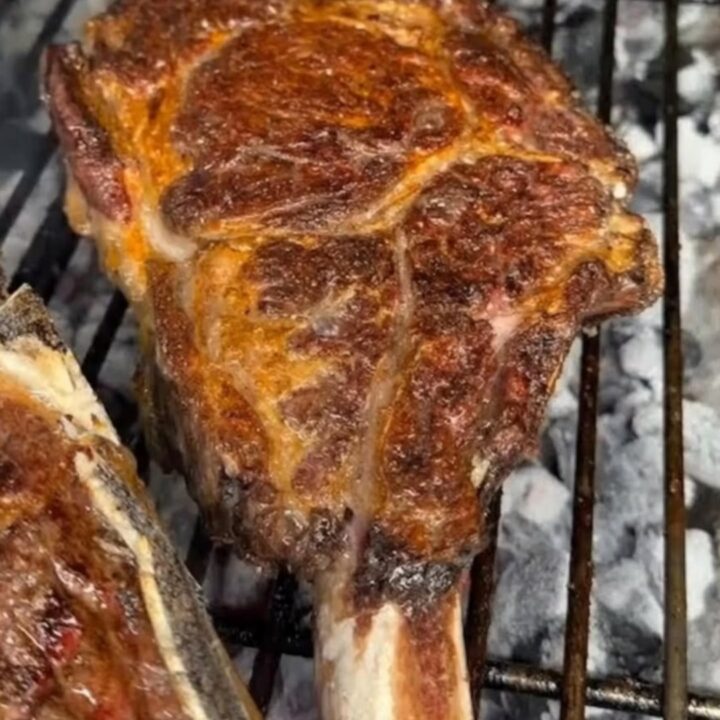
Ingredients
- 2 lb bone-in ribeye steak (1 large or 2 smaller), about 1 1/2 inches thick
- 2 tsp kosher salt
- 1 tsp coarsely ground black pepper
- 1 tbsp vegetable oil
Instructions
- Blot the steak on every side with paper towels until the surface feels completely dry to the touch. Surface moisture steams instead of sears, so take a full minute here. Leave the steak on a cutting board while the grill heats, and keep extra towels nearby for the fat cap.
- Season all surfaces — top, bottom and both edges — with kosher salt and coarsely ground black pepper, pressing gently so the seasoning adheres. Coat the bone side too. Sprinkle from a few inches above for even coverage rather than dumping the salt in a single spot on the meat.
- Let the steak stand at room temperature for no more than 30 minutes while the grill heats to two zones: one side over high direct heat, the other over low or off. Gas grills run burners high on one side; for charcoal, bank the hot coals to one edge of the kettle.
- Just before grilling, brush the steak lightly on both sides with vegetable oil and oil the grates with a folded paper towel held in tongs. The thin film of oil improves contact between meat and grate, deepening the char and preventing the crust from tearing and sticking.
- Lay the steak over direct heat and leave it alone for 4 to 5 minutes — resist the urge to move it. The meat releases naturally once a dark crust forms underneath. If fat flares steadily, slide the steak briefly to the cool side, let the flames die, then return it.
- Flip with tongs and sear the second side 4 to 5 minutes more. Start checking with an instant-read thermometer inserted into the thickest part of the muscle, away from the bone, and pull the steak at 145°F (63°C). Let it rest for at least 3 minutes before carving; move it to indirect heat if the crust darkens too quickly.
- Transfer the steak to a clean cutting board and let it rest for at least 3 minutes — 5 is better for a steak this thick. Carryover heat nudges the interior a few degrees higher while the juices that rushed toward the surface settle back into the muscle, ready to stay put when carved.
- Carve the meat from the bone in one long stroke, then slice the muscle against the grain into 1/2-inch-thick slices. Arrange them on a warm plate, laying the bone alongside for anyone who enjoys the crust near it, and bring the steak to the table right away.
Estimated nutrition per serving
- Calories
- 920
- Protein
- 65 g
- Carbohydrates
- 0 g
- Fat
- 71 g
- Fiber
- 0 g
- Sugar
- 0 g
- Sodium
- 890 mg
Next recipe

Cheesy Baked Lasagna with an Epic Cheese Pull
See the recipe → →This recipe is based on a short cooking video and is published under the pen name Clara Weller. It was checked before publication, but errors can slip through. Nutrition, when shown, is an estimate. Read more in our editorial policy and on our food safety page.
More recipes to try

Mongolian Beef Noodles in One Skillet, Ready in 30 Minutes
Total time: 33 min
Chili Cheese Dog Crescent Rolls in One Pan
Total time: 50 min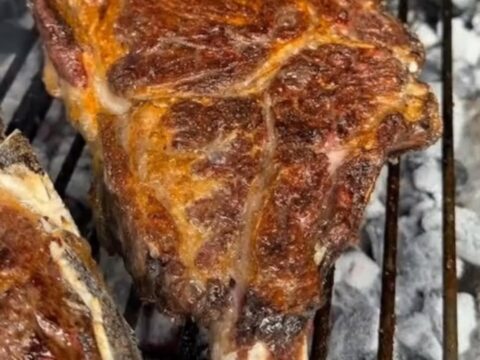
Charcoal-Grilled Bone-In Ribeye with a Deep Golden Crust
Total time: 38 min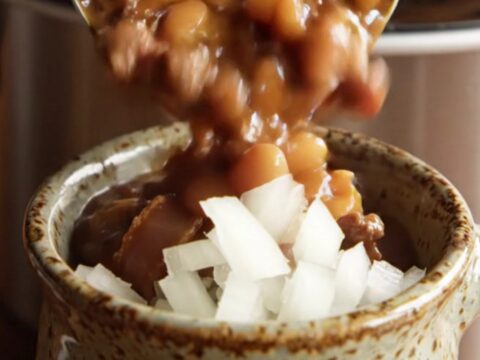
Crockpot Cowboy Calico Beans with Bacon and Beef
Total time: 4 h 20 min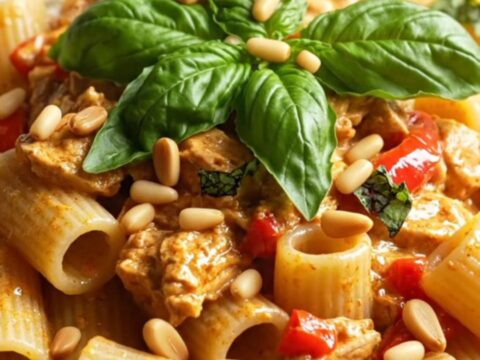
Crockpot Roasted Red Pepper Goat Cheese Chicken (Dump-and-Go)
Total time: 4 h 20 min