Dinner · Part 3 of 3: Tips & recipe card
Crispy Japanese Chicken Katsu Sando Tips, FAQ & printable recipe
- Prep
- Cook
- Total
- Serves
- 2
Tips for success
To achieve the most professional-looking sando, slice off the crusts of the shokupan bread before assembling. This is a common practice in Japan that results in a cleaner, more uniform appearance. Pressing the sandwich gently after assembly helps the ingredients adhere to each other, making it easier to slice cleanly without the components shifting or falling out. Always use a very sharp serrated knife and let the weight of the knife do the work to avoid compressing the bread.
If you prefer a more intense flavor profile, let the chicken marinate briefly in a small amount of soy sauce or sake before the flouring stage. However, be sure to pat it completely dry again before dredging. For the cabbage, use a mandoline or a very sharp knife to shred it into paper-thin ribbons. This creates a more delicate mouthfeel that complements the density of the chicken and the bread, ensuring that the cabbage does not overpower the other ingredients in the sandwich.
Variations
- Spicy Katsu Sando: Add a generous amount of sriracha or chili oil to the mustard mayo mixture. You can also sprinkle a pinch of shichimi togarashi over the chicken before adding the cabbage for an extra kick of heat.
- Cheese Katsu Sando: Place a thin slice of mild, meltable cheese like provolone or mozzarella on top of the fried chicken cutlet while it is still hot. The residual heat will melt the cheese perfectly before you add the cabbage.
Storage and make-ahead
- Fridge
- Store leftover fried chicken in an airtight container for up to 2 days. Reheat in an oven or air fryer to restore crispness.
- Freezer
- Freezing is not recommended as it will severely compromise the texture of the panko crust and the quality of the bread.
- Reheat
- Reheat the chicken in a 375°F (190°C) oven or air fryer for 5-8 minutes until hot and crispy. Do not microwave, as it will make the crust soggy.
If you have leftover components, store them separately to maintain quality. The fried chicken can be kept in an airtight container in the refrigerator, but it will lose its crispiness over time. The bread, sauce, and cabbage should be stored in their original packaging or separate containers.
It is highly recommended to assemble the sandwich fresh, as the bread will absorb moisture from the sauce and cabbage if stored fully assembled, resulting in a less-than-ideal texture for the next meal.
You can prepare the chicken by pounding and breading it up to a few hours in advance, keeping it refrigerated until you are ready to fry. The cabbage can also be shredded ahead of time and kept in a bowl of ice water to stay crisp, then drained thoroughly before assembly.
However, the frying and final assembly should be done at the last possible moment. This ensures the panko remains perfectly crunchy and the bread stays light and airy, providing the best possible eating experience.
Serving ideas
Serve the chicken katsu sando immediately while the chicken is still hot and the crust is at its peak crunch. It pairs exceptionally well with a side of pickled ginger or a simple, light salad dressed with a rice vinegar vinaigrette.
The acidity of these sides complements the richness of the fried chicken and the savory tonkatsu sauce. If serving as part of a larger meal, consider smaller portion sizes to allow guests to enjoy the full flavor profile without feeling overwhelmed by the richness.
Present the sandwiches cut into two clean rectangles, showcasing the cross-section of the chicken and cabbage. A simple wooden board or a minimalist ceramic plate enhances the aesthetic of the dish.
If you are serving these at a gathering, you can slice them into smaller, bite-sized fingers for an elegant appetizer presentation. Ensure that extra tonkatsu sauce is available on the side for dipping, as many diners appreciate the ability to adjust the flavor intensity to their own personal preference.
Frequently asked questions
Can this be made ahead of time?
Why is the panko crust not staying crispy?
What is the best way to slice the sandwich without squishing it?
Crispy Japanese Chicken Katsu Sando
Ingredients
- 2 pieces boneless chicken thigh (220g each)
- 1/2 cup all-purpose flour
- 1 large egg, beaten
- 1 cup fresh Japanese panko
- 4 slices shokupan milk bread, toasted
- 2 tbsp karashi mustard mayo
- 4 tbsp tonkatsu sauce
- 1 cup shredded cabbage
Instructions
- Place the boneless chicken thighs on a stable cutting board. Use a meat mallet to pound each piece to an even thickness. This ensures consistent cooking and tenderness. Dredge each piece in flour, shaking off the excess, then dip completely into the beaten egg mixture. Finally, press the chicken firmly into the fresh Japanese panko until fully and evenly coated on all sides.
- Preheat the deep fryer or a heavy-bottomed pot filled with oil to 355°F (180°C). Carefully lower the breaded chicken cutlets into the hot oil. Fry for 5 minutes, turning occasionally if necessary, until the panko crust reaches a deep golden-brown color and the chicken reaches an internal temperature of 165°F (74°C). Remove the cutlets and drain them on a wire rack to maintain crispiness.
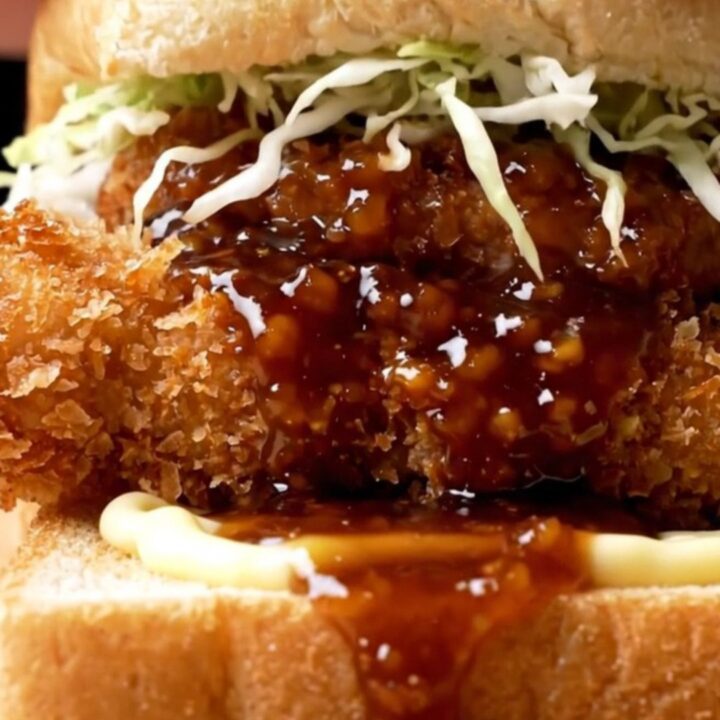
- Spread the karashi mustard mayo onto the toasted slices of shokupan milk bread. Place the fried chicken cutlet on one slice, then drench it generously with the tonkatsu sauce. Add the shredded cabbage on top for freshness and crunch. Close the sandwich with the second slice of bread. Press down slightly to set the ingredients before slicing the sandwich in half to serve.
Estimated nutrition per serving
- Calories
- 620
- Protein
- 32 g
- Carbohydrates
- 55 g
- Fat
- 30 g
- Fiber
- 3 g
- Sugar
- 8 g
- Sodium
- 950 mg
Next recipe
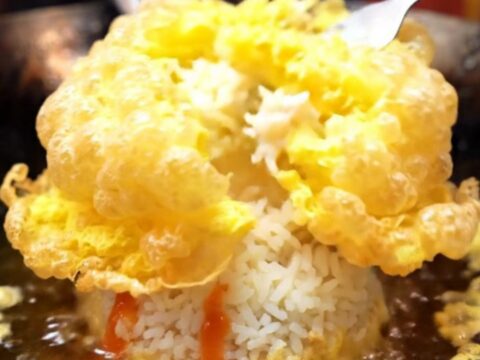
Thai Crispy Minced Pork Omelet
See the recipe → →This recipe is based on a short cooking video and is published under the pen name Clara Weller. It was checked before publication, but errors can slip through. Nutrition, when shown, is an estimate. Read more in our editorial policy and on our food safety page.
More recipes to try
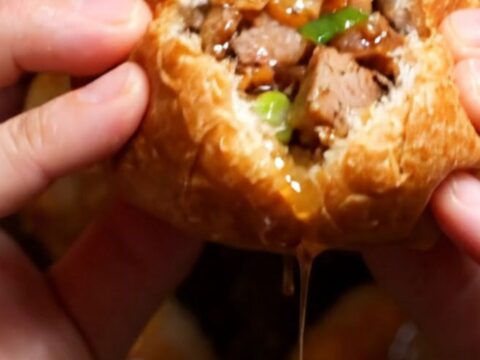
Crispy Taiwanese Black Pepper Pork Buns
Total time: 51 min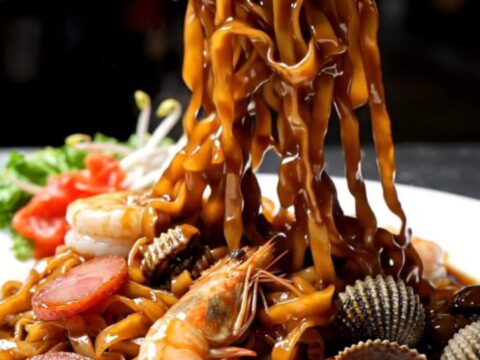
Smoky Penang Char Kway Teow with Wok Hei
Total time: 20 min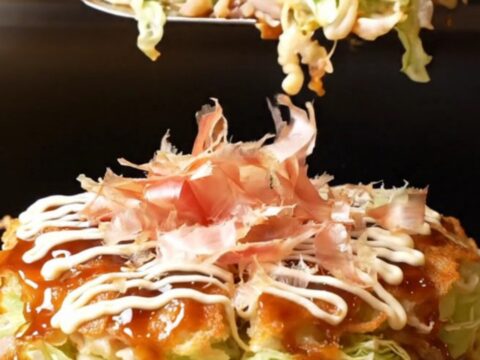
Crispy Pork Belly Okonomiyaki Pancake
Total time: 35 min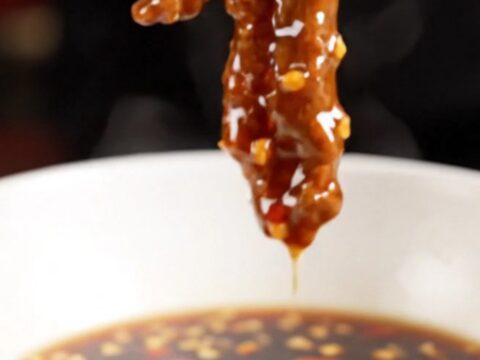
Crispy Beijing Beef with Sticky Chili-Garlic Glaze
Total time: 30 min
Quick Smoky Wok Pad Thai with Tiger Prawns
Total time: 15 min