Dinner · Part 1 of 3: Ingredients
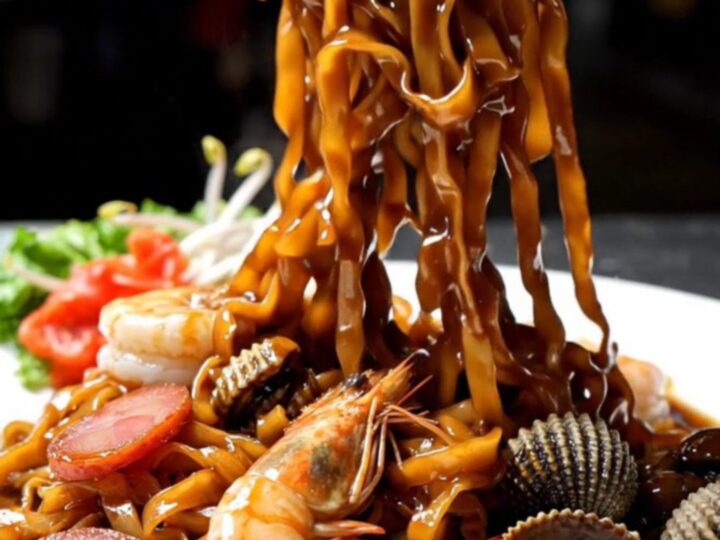
Smoky Penang Char Kway Teow with Wok Hei
- Prep
- Cook
- Total
- Serves
- 2
Discover the secret to capturing the elusive wok hei in your own kitchen with this authentic Penang Char Kway Teow recipe. This iconic Malaysian street food relies on high heat and precise timing to create a deep, smoky flavor profile that elevates simple rice noodles into a restaurant-quality meal.
By following these traditional techniques, you can recreate the bustling atmosphere of a hawker stall right at home, serving up a dish that is both complex and incredibly satisfying for any dinner occasion.
Char Kway Teow is a beloved Malaysian noodle dish, characterized by its wide, flat rice noodles stir-fried over intense heat. The dish is defined by its smoky aroma, known as wok hei, and the contrast between tender prawns, savory Chinese sausage, and crisp bean sprouts.
This recipe focuses on the essential components of a great Char Kway Teow: high-quality aromatics, proper rendering of fats, and the aggressive heat application that gives the dish its signature charred finish. It is a fast-paced cooking experience that rewards preparation and focus.
Ingredients
- 2 tbsp pork lard
- 80 g Chinese lap cheong sausage, sliced
- 150 g prawns, peeled and deveined
- 1 tbsp garlic, minced
- 300 g flat hor fun noodles
- 45 ml dark caramel soy chili paste
- 1 egg, duck egg preferred
- 1/2 cup garlic chives, cut into 2-inch pieces
- 1 cup bean sprouts, rinsed
Why this recipe works
The method of rendering pork lard at the beginning creates a flavorful base that coats every strand of noodle. This fat provides the essential richness required to achieve the characteristic glossy finish of hawker-style noodles, while also helping the soy sauce caramelize properly under the intense heat of the wok. By searing the Chinese sausage first, the aromatics are infused into the oil, which provides the foundational savory depth that permeates the entire dish.
High-heat stir-frying, or the application of wok hei, is the defining technical aspect of this recipe. Using a carbon-steel wok allows for rapid heat transfer, which is necessary to sear the flat rice noodles without turning them into a soggy mess. This quick, high-temperature cooking ensures that the noodles maintain their chewy texture while picking up subtle smoky notes from the caramelizing soy sauce, resulting in the complex flavor profile that distinguishes authentic Char Kway Teow.
Notes and substitutions
Choosing the right noodles is critical for the success of this dish. Fresh flat hor fun rice noodles are preferred for their texture, but if they are unavailable, ensure you use wide, fresh rice noodles from a specialty market.
Regarding the sauce, the dark caramel soy chili paste provides both color and depth; ensure you are using a high-quality product to get the deep, rich hue that is iconic to this dish. If you cannot find duck eggs, large chicken eggs are a suitable alternative, though they offer a slightly milder richness.
Equipment choice plays a significant role in achieving the desired results. A carbon-steel wok is ideal because of its ability to withstand high temperatures and its reactivity to heat changes, which is vital during the stir-frying process.
Ensure that your wok is properly seasoned before cooking to prevent sticking. If you are using an electric stove, consider using a wok ring to stabilize the pan, and cook in smaller batches if necessary to ensure the wok maintains its temperature throughout the searing process.
- duck egg: large chicken egg
- pork lard: neutral vegetable oil
Equipment
- Carbon-steel wok
- Metal spatula
- Chef knife
- Cutting board
Up next · Part 2 of 3
3 steps · 5 min of cooking · what to look for at each stage
Step-by-step instructions (Part 2)