Dinner · Part 3 of 3: Tips & recipe card
Butternut Squash Sage Lasagna Skillet in One Pan Tips, FAQ & printable recipe
- Prep
- Cook
- Total
- Serves
- 4
Tips for success
Keep an eye on the butter from the moment it starts to melt. The milk solids turn from pale yellow to golden to amber within a minute or two, so pull the pan from the heat as soon as it smells nutty. Browned butter gives this dish most of its flavor, and a carefully watched batch makes a real difference.
Chop and grate ahead of time so the cooking flows smoothly. Dice the squash, pick the sage and grate the cheese before you start the stove. Once the pasta and sauce are layered, the skillet can go straight into the oven, which keeps the layers fresh and the cheese from drying out on the counter while you prepare the rest of the meal.
Variations
- Spinach Layer: Wilt a large handful of baby spinach in the browned butter before making the sauce. Stir it into the squash, then layer it with the pasta and cream sauce for a greener, slightly earthy flavor that pairs well with the sweet squash.
- Smoked Gouda Top: Replace half of the hard cheese with grated smoked Gouda for the topping. The smoky flavor deepens the savory notes of the sage and browned butter, and the cheese still melts into a golden, bubbling crust.
- Toasted Walnut Crunch: Toast a quarter cup of chopped walnuts in a dry pan and scatter them over the finished skillet with the crisp sage. The nuts add a crunchy contrast to the creamy layers and a subtle roasted flavor.
- Nutmeg Cream: Add a small pinch of ground nutmeg to the cream sauce as it simmers. Nutmeg is a classic partner for squash and cream, and a light pinch adds warmth without overpowering the sage or the browned butter.
Storage and make-ahead
- Fridge
- Refrigerate leftovers in an airtight container for up to four days, within two hours of baking.
- Freezer
- Freezing is not recommended, because the cream sauce can separate and the pasta texture changes after thawing.
- Reheat
- Reheat individual portions in a covered pan over low heat, with a splash of milk, until hot throughout.
Store leftover lasagna skillet in an airtight container, refrigerated, within two hours of baking so it cools safely. Cover the container once the skillet has cooled a little, and keep it in the refrigerator for up to four days. If you are storing it in the skillet, cover the pan tightly with foil or plastic wrap before refrigerating.
The pasta will soften a little more over time, which is normal. Keep the crisp sage garnish separate if you want it to stay crunchy, and add it fresh when reheating. Label the container with the date so you can keep track of freshness during the week.
You can assemble the skillet up to a day ahead, which makes dinner easier on a busy evening. Brown the butter, cook the squash and make the sauce, then let the mixture cool to room temperature for no more than an hour before layering it with the pasta.
Cover the skillet with plastic wrap and refrigerate it. Add the grated cheese just before baking, and allow a few extra minutes in the oven since the layers will be cold. Fry the sage fresh on the day of serving so the leaves stay crisp and bright green.
Serving ideas
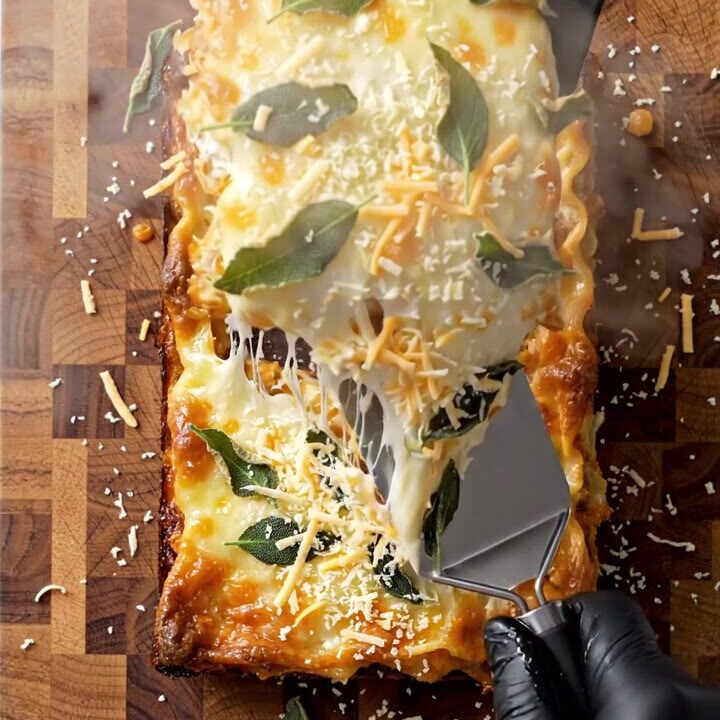
Serve the skillet hot, straight from the cast iron, so the cheese stays molten and the layers hold their shape. Cut it into wedges with a sharp knife and lift each portion with a spatula.
Plate with a few crisp sage leaves on top and an extra sprinkle of grated hard cheese for color and a salty finish. The contrast between the golden crust and the tender layers makes the dish feel generous and complete.
For a simple accompaniment, pair the skillet with a crisp green salad dressed in lemon and olive oil, which cuts through the richness of the cream and browned butter.
A glass of dry white wine or sparkling water also works well. Because the dish is already complete in one pan, you only need one or two small sides to round out a cozy fall dinner for family or friends.
Frequently asked questions
Can this lasagna skillet be made ahead?
What is the best cheese for the topping?
Why does the sauce sometimes look thin?
Can you use no-boil noodles instead of fresh pasta?
How do you keep the squash from turning mushy?
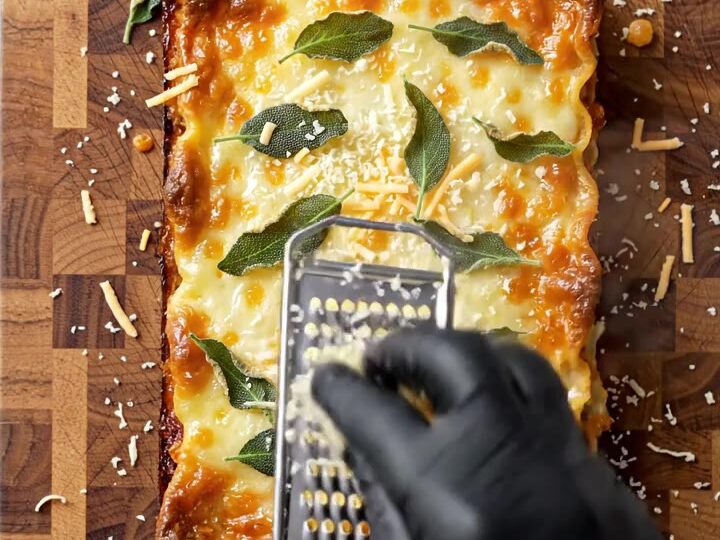
Butternut Squash Sage Lasagna Skillet in One Pan
Ingredients
- 1 whole butternut squash (about 2 lb), peeled and cut into small cubes
- 8 oz fresh pasta sheets, such as fresh pappardelle or lasagna sheets
- 4 tbsp unsalted butter
- 12 fresh sage leaves, plus a few extra for serving
- 2 cloves garlic, peeled and left whole
- 1 tbsp olive oil
- kosher salt and black pepper, to taste
- 2 cups heavy cream
- 2 tbsp all-purpose flour
- 1 1/2 cups finely grated hard cheese, such as Parmigiano-Reggiano or Pecorino Romano
Instructions
- Peel the butternut squash, cut off the ends, halve it and cut it into small cubes. Melt the butter in the cast iron skillet over medium heat, add the sage leaves and cook until crisp and fragrant, then lift them onto a plate and keep the butter in the pan.
- Add the olive oil and the whole garlic cloves to the browned butter. Add the diced squash, season with salt and black pepper, and cook for 8 minutes, stirring now and then, until the cubes are tender at the edges.
- Remove the garlic cloves. Sprinkle the flour over the squash and stir for one minute. Pour in the heavy cream slowly, whisking, and simmer for 5 minutes until the sauce thickens enough to coat a spoon.
- Cut the fresh pasta sheets to fit the skillet. Spread a thin layer of sauce and squash in the pan, add a layer of pasta, then repeat with the sauce, squash and crisp sage leaves, finishing with a layer of pasta and sauce.
- Scatter the grated hard cheese over the top. Bake in the oven at 375°F (190°C) for 20 to 25 minutes, until the cheese bubbles and turns golden with lightly browned edges.
- Let the skillet rest for 10 minutes so the layers set. Slice into wedges, then plate each portion and top with extra crisp sage leaves and a little more grated cheese.
Estimated nutrition per serving
- Calories
- 780
- Protein
- 28 g
- Carbohydrates
- 58 g
- Fat
- 48 g
- Fiber
- 5 g
- Sugar
- 10 g
- Sodium
- 820 mg
Next recipe
Thai Coconut Curry Prawns in One Skillet, Fresh and Glossy
See the recipe → →This recipe is based on a short cooking video and is published under the pen name Clara Weller. It was checked before publication, but errors can slip through. Nutrition, when shown, is an estimate. Read more in our editorial policy and on our food safety page.
More recipes to try
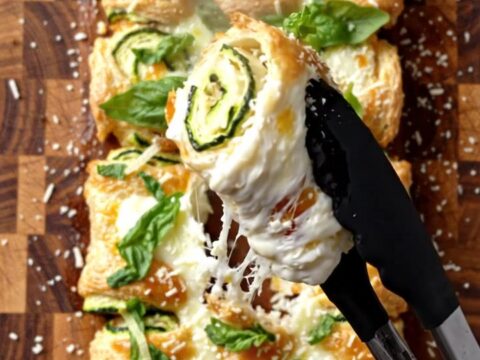
Baked Zucchini Lasagna Rolls in One Skillet
Total time: 1 h
Parmesan Crusted Cod with Lemon Garlic Butter in One Skillet
Total time: 27 min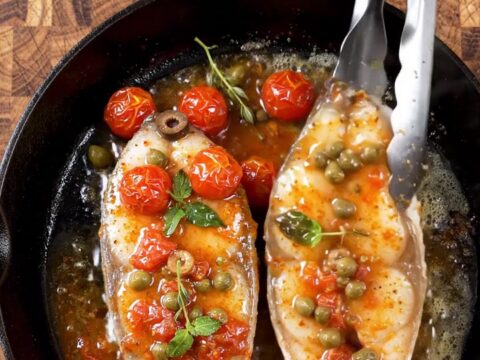
Pan-Seared Swordfish with Tomato-Caper Pan Sauce
Total time: 30 min
Gochujang Honey Shrimp and Charred Octopus Skillet in One Pan
Total time: 25 min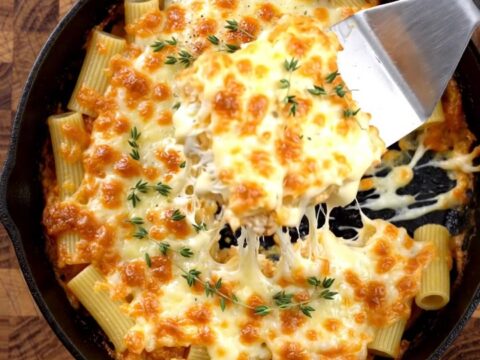
French Onion Rigatoni Skillet: One Pan, Golden Cheese Crust
Total time: 1 h 25 min