Dinner · Part 1 of 3: Ingredients
Butternut Squash Sage Lasagna Skillet in One Pan
- Prep
- Cook
- Total
- Serves
- 4
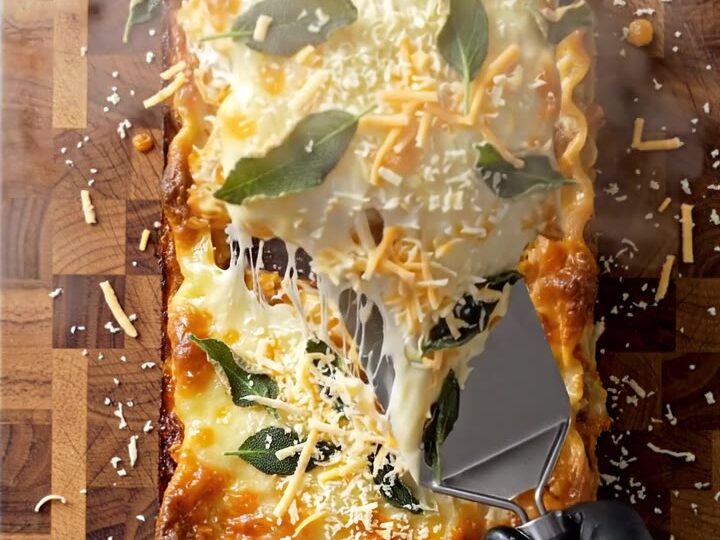
Imagine a cast iron skillet coming out of the oven with cheese bubbling at the edges, sweet squash cubes showing through silky sauce, and crisp sage scattered on top. This butternut squash sage lasagna skillet turns a classic bake into one pan you can serve straight from the table, with browned butter giving every layer a deep, nutty flavor.
This skillet lasagna brings together the flavors of a fall supper in a single pan. Butternut squash is peeled, cubed and softened in browned butter until it turns tender and lightly caramelized. Fresh sage leaves are fried until crisp, which gives the dish a savory, aromatic contrast to the sweet squash.
Layers of fresh pasta sheets, a simple cream sauce and a generous blanket of finely grated hard cheese finish the dish. Because everything happens in one cast iron skillet, you spend less time washing dishes and more time enjoying a hot, bubbling dinner. The method is forgiving, the ingredients are easy to find, and the result feels special enough for a weekend meal yet simple enough for a weeknight.
Ingredients
- 1 whole butternut squash (about 2 lb), peeled and cut into small cubes
- 8 oz fresh pasta sheets, such as fresh pappardelle or lasagna sheets
- 4 tbsp unsalted butter
- 12 fresh sage leaves, plus a few extra for serving
- 2 cloves garlic, peeled and left whole
- 1 tbsp olive oil
- kosher salt and black pepper, to taste
Creamy sauce
- 2 cups heavy cream
- 2 tbsp all-purpose flour
Topping
- 1 1/2 cups finely grated hard cheese, such as Parmigiano-Reggiano or Pecorino Romano
Why this recipe works
Browning the butter first builds a nutty, toasty base that carries the flavor of the whole dish. The sage is fried in that same butter, so its aroma moves into every bite. Cooking the squash in the butter until its edges soften lets its natural sweetness concentrate, rather than leaving it watery or bland. The result is a filling that tastes rich and warm without relying on heavy seasoning.
The flour cooked briefly in the squash and butter acts as a thickener, so the cream sauce clings to the pasta and squash instead of pooling at the bottom of the pan. Layering the sauce between sheets of pasta lets each layer soften gently in the oven.
The final bake under grated hard cheese melts the topping into a golden crust, and the 10-minute rest lets the layers set so every slice holds its shape when served.
Notes and substitutions
Fresh pasta sheets give the most authentic texture for this dish, and they cook through in the oven as the sauce bubbles. Cut them so they lie flat in a 10-inch skillet, overlapping slightly if needed.
Choose a hard cheese such as Parmigiano-Reggiano or Pecorino Romano for the topping, because it grates finely and browns beautifully. Grate it yourself from a block rather than using pre-shredded cheese, which can keep the top from turning golden.
A 10-inch cast iron skillet is the key piece of equipment. Its heavy base holds heat evenly for browning the butter and sage, and it moves straight from the stovetop to the oven. Use a sharp chef's knife to cube the squash into even pieces so they soften at the same rate.
If you do not have fresh pasta, no-boil lasagna noodles work well; break them to fit and add a little extra cream so they hydrate fully. Gruyere or Fontina make a milder, melting topping if you prefer.
- fresh pasta sheets: no-boil lasagna noodles, broken to fit the skillet, with an extra 1/4 cup of cream
- hard cheese: Gruyere or Fontina, grated, for a milder and more melting top
- heavy cream: whole milk, with the flour whisked in for a lighter sauce
Equipment
- 10-inch cast iron skillet
- chef's knife
- cutting board
- box grater
- medium saucepan
- whisk
Up next · Part 2 of 3
6 steps · 35 min of cooking · what to look for at each stage
Step-by-step instructions (Part 2)