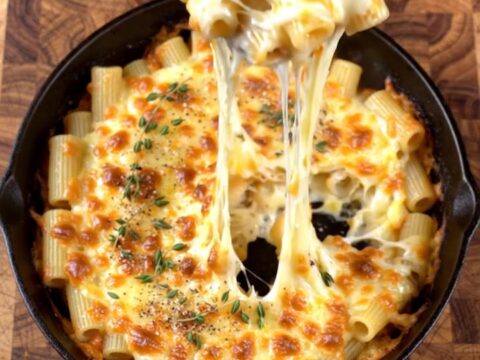
Dinner · Part 3 of 3: Tips & recipe card
Butternut Squash Lasagna Skillet with Brown Butter and Fontina Tips, FAQ & printable recipe
- Prep
- Cook
- Total
- Serves
- 6
Tips for success
Use a thin, even slice of squash so it cooks through at the same rate as the pasta and cheese. A mandoline makes this quick, but a sharp knife works well too. Keep the strips even and avoid thick pieces that stay firm in the center.
Keep the sage leaves dry before frying them in the brown butter. Wet leaves spatter and steam rather than crisp. Lift them out onto a paper towel as soon as they turn crisp, and save a few for the final garnish so they stay bright and crunchy on the finished slice.
Variations
- Mushroom Version: Add sliced cremini mushrooms to the skillet after the meat is browned, cooking them until golden before building the layers. The earthy mushrooms pair well with the sage and brown butter.
- Spicy Sausage Lasagna: Season the ground meat with crushed red pepper flakes and a pinch of fennel seed. The gentle heat contrasts nicely with the sweet squash and the rich fontina sauce.
- Extra Greens Layer: Stir a handful of baby spinach into the meat before layering. It wilts quickly and adds color and a fresh, mild flavor to every slice of the lasagna.
- Crispy Cheese Top: Sprinkle extra Parmesan over the top during the last 5 minutes of baking. The cheese forms a lacy, golden crust that adds crunch to the tender layers below.
Storage and make-ahead
- Fridge
- Refrigerate leftovers in an airtight container for up to 3 days, after cooling for no more than 2 hours.
- Freezer
- Freeze individual slices wrapped tightly for up to 2 months. Thaw overnight in the refrigerator before reheating.
- Reheat
- Reheat slices covered in a 350°F (175°C) oven for about 15 minutes, until hot all the way through and the cheese is melted.
Let the lasagna cool for up to 2 hours at room temperature, then cover it tightly with foil or move leftovers to an airtight container. Leftovers keep well in the refrigerator for up to 3 days. Store the fried sage separately in a dry container, as it softens in the sauce.
Reheat leftover slices in a covered skillet over low heat with a splash of milk, or in a 350°F (175°C) oven until warmed through. Avoid leaving the dish out for long periods, since the meat and dairy need prompt refrigeration.
You can assemble the lasagna up to a day ahead. Layer the squash, pasta, meat and sauce in the skillet, cover it tightly and refrigerate. Add the reserved Parmesan and fontina only before baking, so the top melts and browns properly.
Let the skillet sit at room temperature for about 20 minutes before baking if it has been chilled, which helps the layers heat evenly.
Fry the sage just before serving to keep it crisp. Brown the butter and make the sauce on the day of baking for the best flavor and texture.
Serving ideas
Serve the lasagna in thick slices with a crisp green salad dressed in lemon and olive oil.
The bright, acidic dressing cuts through the richness of the fontina and brown butter, giving each bite a fresh contrast. A simple side keeps the focus on the layers of squash, pasta and cheese.
For a relaxed dinner, set the skillet on a wooden board at the table and let everyone cut their own slice. Scatter the extra fried sage leaves over the top just before serving. A glass of dry white wine or sparkling water pairs well with the nutty butter and savory meat.
Frequently asked questions
Can you use pre-shredded fontina for this skillet lasagna?
How do you keep the squash from making the lasagna watery?
Can this be made without meat?
Why did your brown butter turn bitter?
What is the best way to cut a clean slice?
Butternut Squash Lasagna Skillet with Brown Butter and Fontina
Ingredients
- 1 1/2 lb butternut squash, peeled, seeded and sliced into thin strips
- 12 fresh sage leaves, plus a few sprigs for garnish
- 2 cloves garlic, thinly sliced
- 8 oz sausage-style ground meat
- 8 oz fresh pasta sheets, broad, such as pappardelle-style
- 4 tbsp unsalted butter
- 8 oz fontina cheese, grated, divided
- 1 1/2 cups whole milk
- 2 tbsp all-purpose flour
- 1 tbsp olive oil
- kosher salt and black pepper to taste
- 1/2 cup finely grated Parmesan cheese
Instructions
- Halve and peel the butternut squash, scoop out the seeds, then slice it into thin strips. Pat the sage leaves dry. Thinly slice the garlic cloves and set everything near the stove.
- Grate the fontina on the large holes of a box grater. Keep the shreds in a bowl, dividing them into two portions: one for the sauce and one for the top.
- Heat the olive oil in the skillet over medium-high heat. Add the ground meat, season with salt and pepper, and break it up as it cooks. Cook until browned and no pink remains, then move it to a plate.
- Melt the butter in the same skillet over medium heat. Swirl until it foams, then cook until the milk solids turn golden brown and smell nutty. Add the sage leaves and fry them for about 30 seconds until crisp. Lift them onto a paper towel.
- Stir the flour into the browned butter and cook for 1 minute. Whisk in the milk slowly, then simmer, stirring, until thickened. Remove from the heat and stir in most of the fontina until smooth and glossy.
- Spread a thin layer of sauce in the skillet. Add a layer of fresh pasta sheets, then squash strips, browned meat and more sauce. Repeat the layers, finishing with pasta and sauce. Scatter the Parmesan and the remaining fontina over the top.
- Bake the skillet on the middle rack at 375°F (190°C) for 30 to 35 minutes, until the squash is tender, the cheese bubbles and the top turns lightly golden. Let it rest on the counter for 10 minutes before slicing.
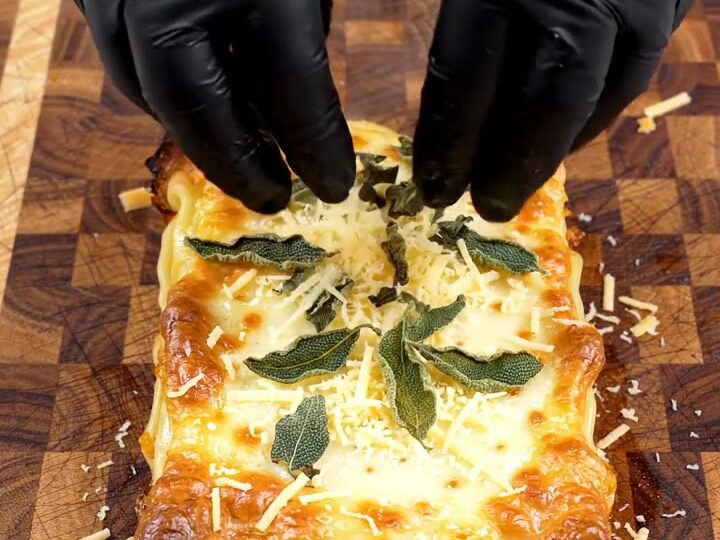
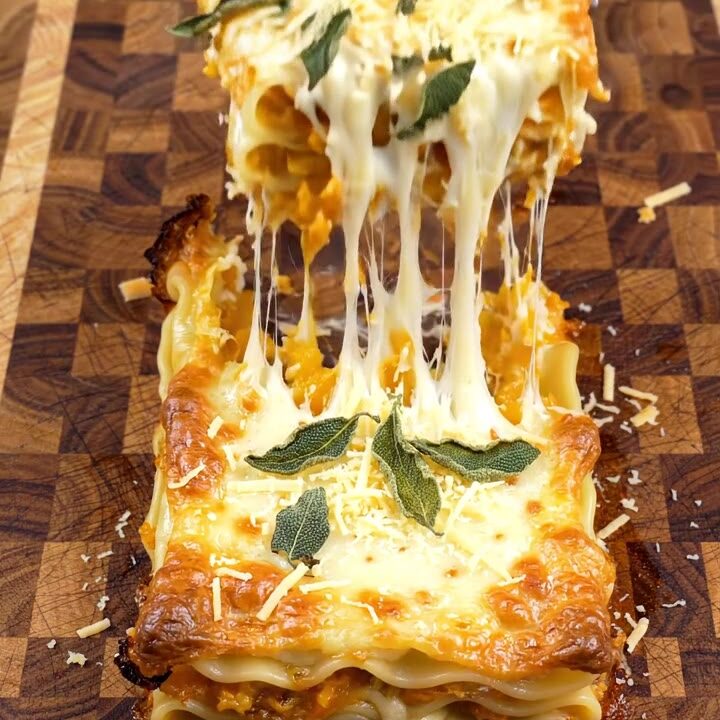
- Cut a thick rectangular slice with a sharp knife, lifting out the layers of pasta, squash and melted cheese. Top with the reserved fried sage leaves and a few fresh sprigs, then serve on a wooden board or plate.
Estimated nutrition per serving
- Calories
- 620
- Protein
- 30 g
- Carbohydrates
- 48 g
- Fat
- 33 g
- Fiber
- 5 g
- Sugar
- 6 g
- Sodium
- 880 mg
Next recipe

Thai Red Curry Prawn Skillet in One Pan in 30 Minutes
See the recipe → →This recipe is based on a short cooking video and is published under the pen name Clara Weller. It was checked before publication, but errors can slip through. Nutrition, when shown, is an estimate. Read more in our editorial policy and on our food safety page.
More recipes to try
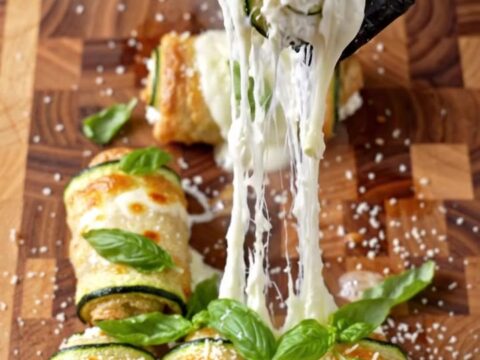
Zucchini Lasagna Rolls with Ricotta and Mozzarella in One Skillet
Total time: 1 h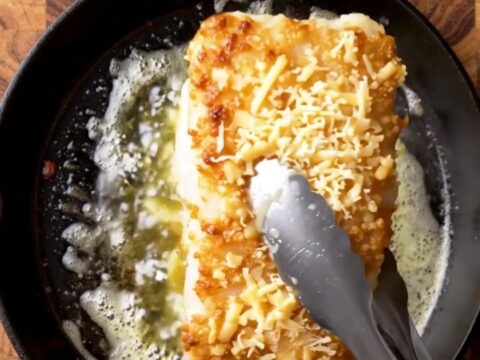
Parmesan-Crusted Cod Skillet with Garlic Spinach in 30 Minutes
Total time: 27 min
Queso Fundido Skillet with Sweet Potato, Peppers and Melted Cheese
Total time: 50 min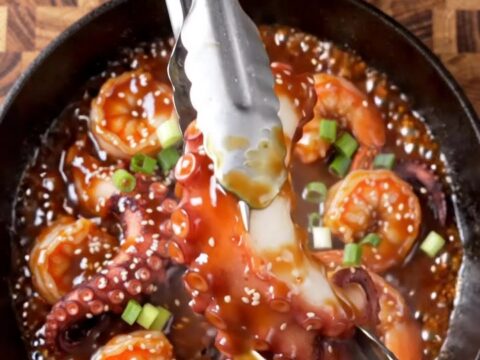
Honey Gochujang Shrimp and Charred Octopus Skillet in 30 Minutes
Total time: 32 min
Brown Butter Seared Scallops with Butternut Squash and Crispy Sage
Total time: 30 min