Dinner · Part 3 of 3: Tips & recipe card
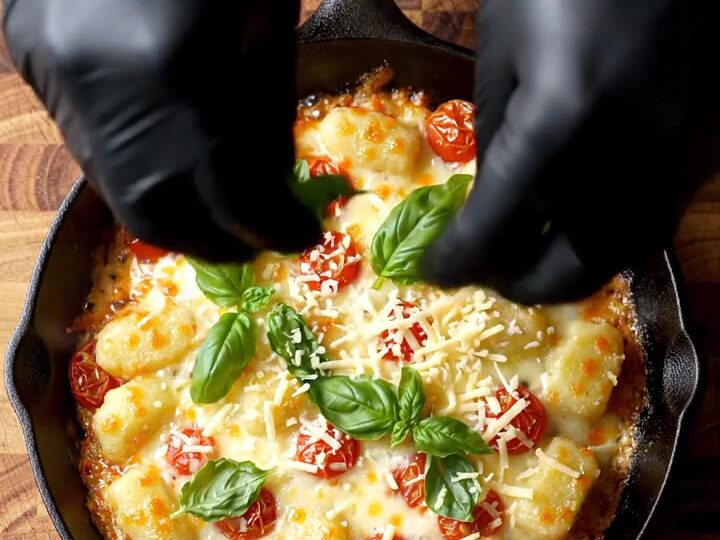
Blistered Tomato Gnocchi with Melted Brie in One Skillet Tips, FAQ & printable recipe
- Prep
- Cook
- Total
- Serves
- 4
Tips for success
Dry the gnocchi on a clean towel for a few minutes before cooking if they feel moist on the surface, because excess moisture steams them instead of crisping them. Pat the tomato halves dry too, so their juices blister rather than pool in the pan.
Grate the hard aged cheese just before using it. Pre-grated cheese often contains anti-caking agents that slow melting and keep the top layer from forming a smooth, golden crust. Freshly grated cheese melts faster and browns more evenly across the surface.
Variations
- Spicy Chili Version: Add a pinch of dried red chili flakes to the garlic butter with the sliced garlic. The heat balances the sweet tomatoes and the rich, melted brie, giving the skillet a warm, lively finish.
- Herb-Forward Version: Swap the dried Italian herbs for a teaspoon of dried oregano and a teaspoon of dried thyme. The mix gives a deeper, earthier flavor that suits the garlic butter and melted cheese well.
- Extra Cheese Version: Add an extra handful of grated hard aged cheese on top before the brie goes in. It forms a thin, golden lace at the edges of the skillet that adds crunch and a nutty, savory flavor.
- Garlic Lover Version: Increase the garlic to six cloves and add them to the butter in two stages. Adding half early and half later keeps some slices sweet and golden while others stay sharper for a bolder garlic flavor throughout.
Storage and make-ahead
- Fridge
- Store leftovers in an airtight container in the refrigerator for up to 3 days, after cooling for no more than 2 hours at room temperature.
- Freezer
- Freezing is not recommended, because the gnocchi lose their crisp crust and the brie becomes grainy and oily after thawing.
- Reheat
- Reheat leftovers in a skillet over medium-low heat with a teaspoon of butter, covered, until the cheese softens and the gnocchi warm through.
Leftovers should cool for no more than 2 hours at room temperature before they go into the refrigerator. Transfer the gnocchi, tomatoes and melted cheese to a shallow airtight container so they cool quickly and evenly.
Keep the basil separate if you can, since it wilts and darkens in the fridge. Store the container in the refrigerator and eat the leftovers within 3 days for the best texture. Reheat only the portion you plan to eat, and do not return cooled leftovers to the skillet more than once.
You can prepare the components earlier in the day to make this dinner faster. Slice the garlic, halve the cherry tomatoes, grate the hard aged cheese and cut the brie into chunks, then store each one in a separate covered container in the refrigerator.
Keep the basil wrapped in a damp paper towel until serving. The gnocchi should be cooked and crisped just before serving, because they lose their crust as they sit. Once the components are prepped, the skillet step takes about 20 minutes, so the dinner can go from refrigerator to table quickly.
Serving ideas
Serve the skillet at the table on a trivet so everyone can take portions straight from the pan. Pair it with a simple green salad dressed with lemon juice and olive oil, which cuts through the richness of the melted cheese and garlic butter.
A crusty loaf of bread is also welcome for soaking up the tomato juices and any cheese that clings to the pan.
For a casual dinner, add a bowl of extra grated hard aged cheese and a small dish of dried chili flakes at the table so guests can adjust the seasoning.
Chilled white wine or sparkling water pairs well with the warm, savory flavors. Keep a pot holder nearby, since the cast iron handle stays hot long after the skillet leaves the stove.
Frequently asked questions
Can you use fresh gnocchi from the refrigerator section?
Why does the brie sometimes turn oily instead of creamy?
Can the garlic burn in the butter, and how can it be avoided?
What can you serve with this skillet dish?
Is it possible to make this dish without a cast iron skillet?
Blistered Tomato Gnocchi with Melted Brie in One Skillet

Ingredients
- 1 lb potato gnocchi
- 3 tbsp unsalted butter
- 2 tbsp extra-virgin olive oil
- 4 cloves garlic, peeled and thinly sliced
- 1 lb cherry tomatoes on the vine, halved
- 1 cup finely grated hard aged cheese, such as Parmesan
- 4 oz brie, rind removed and cut into chunks
- 1 tsp dried Italian herbs
- kosher salt and black pepper to taste
- fresh basil leaves for garnish, to taste
Instructions
- Peel and thinly slice the garlic cloves. Halve the cherry tomatoes and pull them from the vine. Grate the hard aged cheese on a box grater, and cut the brie into chunks. Pick the basil leaves and set everything beside the skillet.
- Place a 12-inch cast iron skillet over medium heat. Add the butter and olive oil and let them melt together. Add the sliced garlic and stir for about 1 minute, until fragrant and just turning pale gold.
- Add the gnocchi to the garlic butter in a single layer. Season with salt, black pepper and the dried Italian herbs. Cook without stirring for 3 to 4 minutes, then toss and cook 4 to 5 minutes more, until the gnocchi are golden and crisp on several sides.
- Tuck the halved cherry tomatoes cut side down among the gnocchi, spreading them into the hot fat. Cook for 4 to 5 minutes, until the tomatoes blister, soften and begin to release their juices.
- Scatter the grated hard aged cheese over the gnocchi and tomatoes. Dot the pan with the brie chunks. Reduce the heat to medium-low and cook for 2 to 3 minutes, until the cheeses melt into a bubbling, golden layer.
- Scatter the fresh basil leaves over the top and season with a little more black pepper if you like. Serve straight from the skillet while the cheese is still gooey and the gnocchi are crisp.
Estimated nutrition per serving
- Calories
- 640
- Protein
- 22 g
- Carbohydrates
- 60 g
- Fat
- 34 g
- Fiber
- 4 g
- Sugar
- 6 g
- Sodium
- 980 mg
Next recipe

Tuscan Salmon and Scallops in Vodka Cream Skillet
See the recipe → →This recipe is based on a short cooking video and is published under the pen name Clara Weller. It was checked before publication, but errors can slip through. Nutrition, when shown, is an estimate. Read more in our editorial policy and on our food safety page.
More recipes to try

Crispy Jalapeño Corn Fritters with Melted Cheddar and White Sauce
Total time: 45 min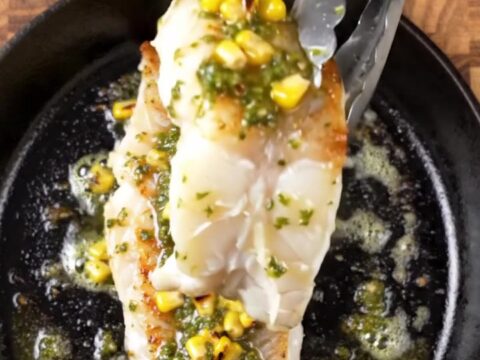
Pan-Seared Sea Bass with Corn and Herb Butter in One Skillet
Total time: 25 min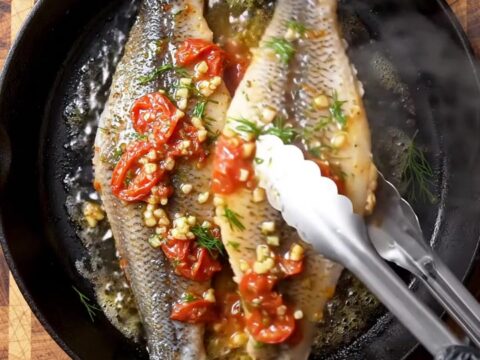
Pan-Seared Arctic Char with Garlic Herb Butter and Crispy Skin
Total time: 22 min
Thai Red Curry Prawns in One Skillet, Ready in 30 Minutes
Total time: 30 min
Brown Butter Seared Scallops with Butternut Squash and Sage in One Pan
Total time: 35 min