Dinner · Part 2 of 3: Instructions
Blistered Tomato Gnocchi with Melted Brie in One Skillet Step-by-step instructions
- Prep
- Cook
- Total
- Serves
- 4
Before you start
Gather every ingredient and tool before you turn on the heat, because the skillet moves quickly once the butter melts. Set the potato gnocchi on a plate with a dry, clean surface, and keep the sliced garlic close by so it goes into the fat at the right moment. Halve the cherry tomatoes and leave them whole on the vine if you like, then pat them dry so they blister rather than steam.
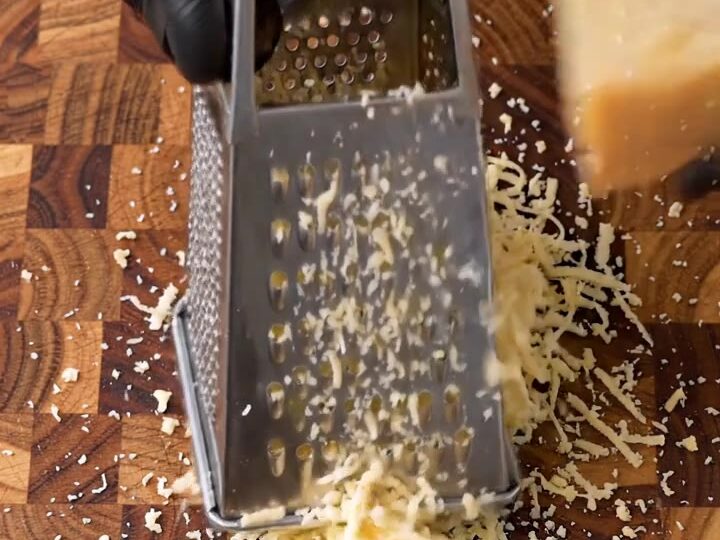
Grate the hard aged cheese on a box grater until it forms a fine, fluffy pile, and cut the cold brie into chunks with the rind removed. Pick the basil leaves and rinse them only if they are dusty. Having these components ready means the gnocchi crisp evenly and the cheese melts before anything burns.
Ingredients at a glance (10)
- 1 lb potato gnocchi
- 3 tbsp unsalted butter
- 2 tbsp extra-virgin olive oil
- 4 cloves garlic, peeled and thinly sliced
- 1 lb cherry tomatoes on the vine, halved
- 1 cup finely grated hard aged cheese, such as Parmesan
- 4 oz brie, rind removed and cut into chunks
- 1 tsp dried Italian herbs
- kosher salt and black pepper to taste
- fresh basil leaves for garnish, to taste
Instructions
Garlic butter and gnocchi crust
- Prepare the garlic, tomatoes and cheesePeel and thinly slice the garlic cloves. Halve the cherry tomatoes and pull them from the vine. Grate the hard aged cheese on a box grater, and cut the brie into chunks. Pick the basil leaves and set everything beside the skillet.Look for Garlic slices are thin and even, and the cheese forms a fine, fluffy pile.Tip Cold brie is easier to cut cleanly, so cut it straight from the refrigerator.
- Melt the garlic butterPlace a 12-inch cast iron skillet over medium heat. Add the butter and olive oil and let them melt together. Add the sliced garlic and stir for about 1 minute, until fragrant and just turning pale gold.Look for The butter foams, then settles, and the garlic smells sweet and toasty.Tip Keep the heat at medium so the garlic does not darken and turn bitter.
At the end of this phase the butter and olive oil are fully melted and the garlic smells sweet and toasty, without any dark or bitter edge. The gnocchi should be golden and crisp on several sides, with the garlic butter clinging to their surfaces. Check that the gnocchi are not stuck to the bottom or piled up, and that the garlic has not browned. If the pan looks dry, add a small splash of olive oil before moving on to the tomatoes. Taste one gnocchi for salt and crunch, and adjust the seasoning now while you still can.
Blistered tomatoes and softened fruit
- Crisp the gnocchiAdd the gnocchi to the garlic butter in a single layer. Season with salt, black pepper and the dried Italian herbs. Cook without stirring for 3 to 4 minutes, then toss and cook 4 to 5 minutes more, until the gnocchi are golden and crisp on several sides.Look for The gnocchi turn golden brown and crisp at the edges, and the garlic butter clings to them.Tip Leave the gnocchi undisturbed for a few minutes so they develop a crust.
- Blister the tomatoesTuck the halved cherry tomatoes cut side down among the gnocchi, spreading them into the hot fat. Cook for 4 to 5 minutes, until the tomatoes blister, soften and begin to release their juices.Look for The tomato skins split and blister, and the halves slump softly into the pan.Tip Let the cut sides sit against the hot skillet to char them.
At the end of this phase the cherry tomato halves have split skins, char marks on the cut side and a soft, slightly collapsed texture. Their juices should have mixed with the garlic butter to form a light, glossy sauce around the gnocchi. The gnocchi should stay firm rather than turning mushy. Look for the moment when the tomatoes begin to release liquid, which signals that they are cooked through. If the pan is too wet, cook for another minute over medium heat to let the liquid reduce. Keep the heat steady so the tomatoes soften without scorching.
Melted brie and golden cheese
- Melt the cheesesScatter the grated hard aged cheese over the gnocchi and tomatoes. Dot the pan with the brie chunks. Reduce the heat to medium-low and cook for 2 to 3 minutes, until the cheeses melt into a bubbling, golden layer.Look for The cheese bubbles around the edges and the brie turns soft and glossy.Tip Lower the heat so the hard cheese browns without scorching.
- Garnish and serve from the panScatter the fresh basil leaves over the top and season with a little more black pepper if you like. Serve straight from the skillet while the cheese is still gooey and the gnocchi are crisp.Look for The cheese is glossy and stretchy, and the basil leaves wilt slightly from the heat.Tip Use a pot holder, since the skillet handle stays very hot.
At the end of this phase the grated hard cheese has melted into a bubbling, golden layer, and the brie chunks have softened into glossy, creamy pools. The cheese should coat the gnocchi and tomatoes evenly, with some crisp, browned bits at the edges.
Check that the brie is melting fully and not separating into oil, and that the hard cheese is not darkening too quickly. If the top is not melting, cover the skillet for a minute to trap the heat. Once the cheese has melted, turn off the heat and move the skillet to a trivet so it can be served right away.
Common mistakes
The most common error is crowding the gnocchi into a pan that is too small, which traps steam and keeps them pale and soft. Use a 12-inch skillet and spread the gnocchi in a single layer so they can crisp. Another mistake is adding the garlic to very hot butter, where it darkens in seconds and turns bitter; keep the heat at medium.
Stirring the gnocchi too early prevents the golden crust from forming, so leave them alone for a few minutes. Adding the cheese too early over high heat can scorch it before the brie has melted. Finally, do not skip the basil, which adds a fresh, herbal note that balances the rich cheese.
How to tell it’s done
The dish is ready when the gnocchi are golden and crisp on several sides, the cherry tomatoes have blistered and softened, and the cheese has melted into a bubbling, glossy layer over the top. The brie should be soft and creamy all the way through, and the hard aged cheese should be lightly golden at the edges.
Because this recipe contains no raw meat, poultry, fish or eggs, there is no safe internal temperature to reach. Use the look and texture as your guide: the gnocchi should be crisp on the outside and tender in the center, and the cheese should be fully melted and stretchy. Serve straight from the skillet while the cheese is still gooey.
Up next · Part 3 of 3
4 variations · storage & make-ahead · 5 answers · printable card
Tips, FAQ & printable recipe (Part 3)← Back to the ingredients (Part 1)