Breakfast · Part 3 of 3: Tips & recipe card
Authentic Japanese Tamagoyaki Rolled Omelette Tips, FAQ & printable recipe
- Prep
- Cook
- Total
- Serves
- 2
Tips for success
To achieve the best results, use a rectangular tamagoyaki pan that allows you to roll the eggs consistently. If the pan feels too dry, dip a folded paper towel in a little oil and wipe the surface between each layer to ensure a smooth, non-stick experience.
This small step makes a significant difference in the ease of rolling and the final appearance of the omelette layers.
When slicing the tamagoyaki, use a sharp knife and clean cuts. If the omelette is still warm, the layers will be more pliable, so letting it rest for a few minutes is essential. If you prefer a more decorative look, you can use a bamboo sushi mat to gently press the omelette into a more perfect rectangular shape while it is still warm, which helps the layers set tightly.
Variations
- Nori Tamagoyaki: Place a small sheet of nori seaweed between the layers as you roll the omelette. This adds a subtle oceanic flavor and a beautiful dark contrast to the golden egg layers, making each slice visually striking and delicious.
- Scallion Tamagoyaki: Finely mince fresh scallions and whisk them directly into the egg mixture before cooking. The scallions add a slight crunch and a fresh, aromatic bite that complements the savory dashi broth perfectly.
Storage and make-ahead
- Fridge
- Keep in an airtight container in the refrigerator for up to 2 days.
- Reheat
- Reheat gently in a pan over low heat or microwave on medium power until just warmed through.
If you have leftovers, place the tamagoyaki slices in an airtight container to keep them from drying out. They are best enjoyed within one day, as the texture can change if stored for too long. Ensure the omelette is completely cool before placing it into the container to prevent condensation, which can make the layers soggy and affect the overall quality of the dish.
Tamagoyaki is an excellent dish to make ahead, as it tastes delicious cold or at room temperature. You can prepare it the night before and store it in the refrigerator.
When ready to serve, you can either enjoy it cold or quickly reheat it in a pan over low heat or in a microwave-safe container until just warm, making it a convenient option for busy mornings or bento lunches.
Serving ideas
Serve the tamagoyaki as part of a traditional Japanese breakfast, accompanied by steamed rice, miso soup, and perhaps some grilled fish. The sweet and savory profile pairs perfectly with these staples, providing a balanced and satisfying meal.
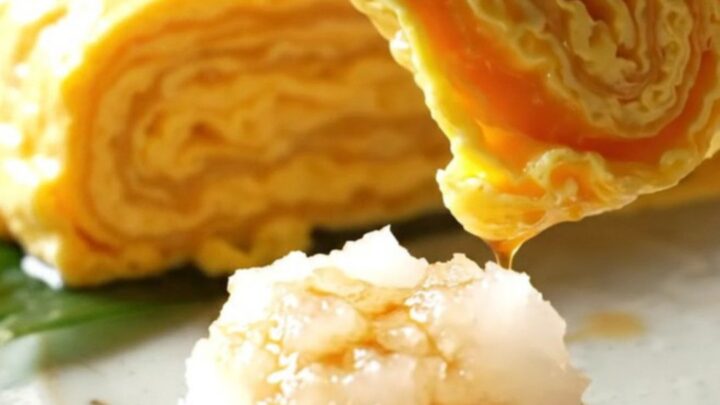
The grated daikon radish is a vital component, as its fresh, slightly peppery flavor cuts through the richness of the egg, creating a harmonious bite.
For a more modern presentation, you can serve the tamagoyaki slices on a wooden board with a side of pickled ginger or fresh cucumber slices. The versatility of this dish means it can also be used in sushi or as a snack throughout the day.
Regardless of how you choose to serve it, the key is to highlight the delicate, layered texture of the omelette by keeping the accompaniments simple and fresh.
Frequently asked questions
Can this be made without a rectangular pan?
Why is the tamagoyaki rubbery?
Can this be made ahead for a bento box?
Authentic Japanese Tamagoyaki Rolled Omelette
Ingredients
- 4 large eggs
- 45 ml bonito dashi stock
- 10 g sugar
- 5 ml soy sauce
- 5 ml mirin
- 20 g grated daikon radish
- 1 tbsp soy sauce for drizzling
Instructions
- In a mixing bowl, gently combine the four eggs, bonito dashi stock, sugar, soy sauce, and mirin. Use chopsticks or a whisk to mix the ingredients thoroughly, taking care not to create foam or bubbles in the mixture, as a smooth texture is essential for the final result.
- Heat a rectangular tamagoyaki pan to 165°C (329°F). Pour a thin layer of the egg mixture into the pan. As it sets, use chopsticks or a spatula to roll the delicate sheet forward. Repeat this process by adding more egg mixture and rolling it onto the existing roll until all the mixture is used and the omelette is plump and golden. To cook the eggs through, ensure the internal temperature reaches 160°F (71°C).
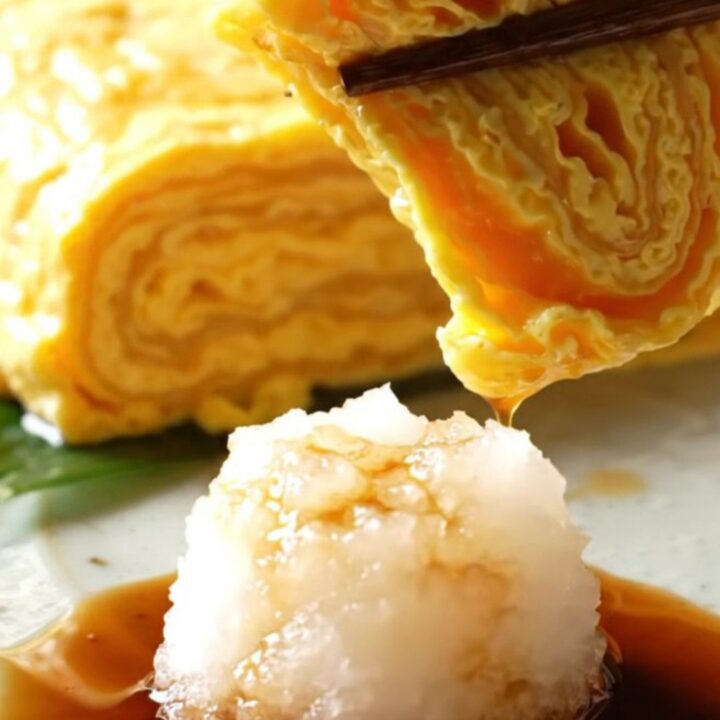
- Remove the tamagoyaki from the pan and let it rest for two minutes. Slice into thick, multi-layered pieces. Serve immediately with a generous mound of grated daikon radish and a light drizzle of soy sauce over the radish.
Estimated nutrition per serving
- Calories
- 185
- Protein
- 13 g
- Carbohydrates
- 6.5 g
- Fat
- 11.5 g
- Fiber
- 0.2 g
- Sugar
- 5.5 g
- Sodium
- 450 mg
Next recipe

Velvety Custard-Style Scrambled Eggs on Charred Brioche
See the recipe → →This recipe is based on a short cooking video and is published under the pen name Clara Weller. It was checked before publication, but errors can slip through. Nutrition, when shown, is an estimate. Read more in our editorial policy and on our food safety page.
More recipes to try

Airy Gruyère Cloud Eggs with Runny Yolks
Total time: 16 min
Crispy Pesto Eggs on Brioche Toast
Total time: 6 min
One-Skillet Turkish Menemen with Eggs and Feta
Total time: 12 min
Turkish Poached Eggs with Garlic Yogurt and Aleppo Butter
Total time: 15 min
Creamy Avocado and Grated Egg Sourdough Toast
Total time: 5 min