Breakfast · Part 1 of 3: Ingredients
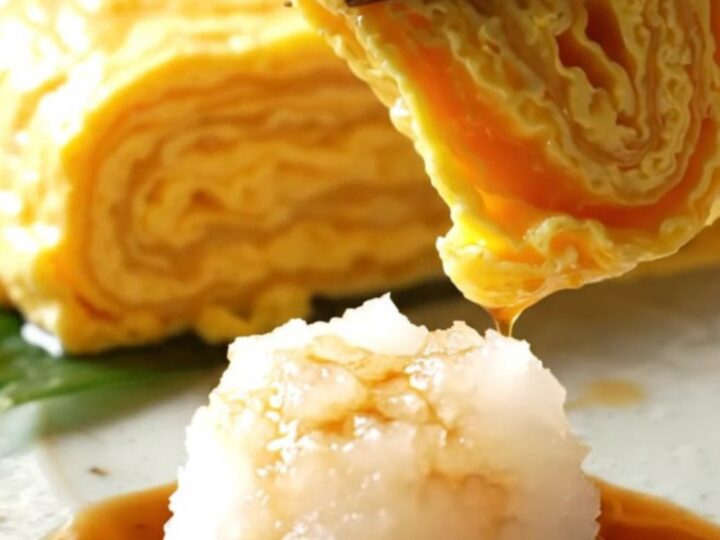
Authentic Japanese Tamagoyaki Rolled Omelette
- Prep
- Cook
- Total
- Serves
- 2
Discover the secret to the perfect Japanese breakfast staple: the tamagoyaki. This rolled omelette is a masterclass in balance, combining a light texture with the deep, savory-sweet notes of traditional dashi and mirin.
Whether you are looking for a refined way to start your day or a unique side dish, this recipe offers a delicious, authentic experience that is surprisingly simple to master with a bit of practice.
Tamagoyaki is a classic Japanese dish that requires precision and patience. Unlike Western-style omelettes, this version is cooked in thin, successive layers and rolled into a tight, rectangular shape. The result is a dense yet incredibly bouncy and juicy omelette that is both beautiful to look at and delightful to eat.
By using a rectangular pan and careful heat control, home cooks can replicate the professional quality found in traditional Japanese kitchens, creating a dish that balances umami-rich dashi with the subtle sweetness of mirin and sugar.
Ingredients
Omelette Mixture
- 4 large eggs
- 45 ml bonito dashi stock
- 10 g sugar
- 5 ml soy sauce
- 5 ml mirin
Garnish
- 20 g grated daikon radish
- 1 tbsp soy sauce for drizzling
Why this recipe works
The method of pouring thin layers and rolling them incrementally ensures that the tamagoyaki achieves its signature multi-layered appearance.
This technique also allows each layer to cook through while maintaining the custard-like, juicy consistency that makes this dish so special. By avoiding high heat, the eggs remain tender and pale yellow, avoiding the rubbery texture often associated with overcooked eggs.
The addition of dashi provides a savory foundation that defines Japanese cuisine, while the mirin and sugar add a delicate sweetness that perfectly complements the eggs.
This balance is crucial for achieving the authentic flavor profile of a traditional tamagoyaki. Preparing the mixture without creating foam ensures a smooth, uniform texture throughout the finished roll, which is essential for a professional-looking result.
Notes and substitutions
For the best results, use a dedicated rectangular tamagoyaki pan, which helps maintain the omelette's shape. If you do not have one, a small non-stick skillet can work, though the shape may be slightly less uniform. Ensure the eggs are thoroughly mixed with the dashi and seasonings, but be gentle to avoid incorporating too much air, as bubbles can affect the final texture.
The choice of dashi is significant; homemade bonito dashi is traditional, but high-quality instant dashi granules dissolved in water are an acceptable alternative. If you prefer a different flavor profile, you can adjust the amount of sugar or soy sauce to your personal preference, though the provided ratios are ideal for achieving the classic sweet-savory balance that is characteristic of this beloved dish.
- bonito dashi stock: konbu dashi or vegetable stock can be used for a vegetarian version
- mirin: a mixture of a little sugar and water or sake can be substituted
Equipment
- rectangular tamagoyaki pan
- mixing bowl
- whisk or chopsticks
- spatula
- grater
Up next · Part 2 of 3
3 steps · 3 min of cooking · what to look for at each stage
Step-by-step instructions (Part 2)