Breakfast · Part 1 of 3: Ingredients
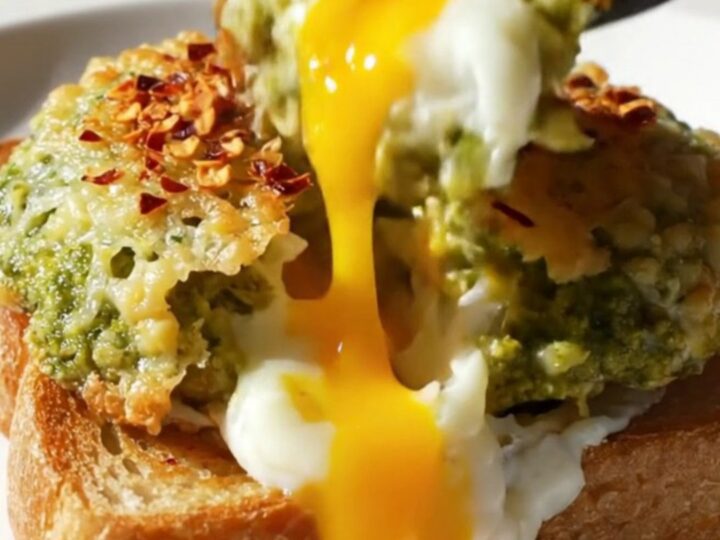
Crispy Pesto Eggs on Brioche Toast
- Prep
- Cook
- Total
- Serves
- 1
Forget butter. Spread basil pesto and Parmesan across a cold skillet, crack in two eggs, and let the heat work its magic. The pesto crisps into a lacy, nutty crust while the yolks stay gloriously soft. Served on toasted brioche with a sprinkle of red pepper flakes, this is a five-minute breakfast that feels like a restaurant secret.
This recipe turns a humble fried egg into a textural marvel. Instead of butter or oil, the eggs cook directly in a layer of basil pesto and grated Parmesan. As the skillet heats, the pesto's olive oil separates and fries the eggs, while the pine nuts and cheese toast into a crisp, golden-green lace.
The result is a crispy, herbaceous crust that clings to the eggs and contrasts with the soft, creamy yolk. Served on thick toasted brioche, it's a quick, satisfying breakfast or brunch that comes together in minutes.
Ingredients
- 30 g fresh Genovese basil pesto
- 25 g finely grated Parmigiano-Reggiano
- 2 large organic eggs
- 1 thick slice toasted brioche
- Crushed red pepper flakes, for serving
Why this recipe works
The method relies on a cold skillet. Spreading the pesto and Parmesan on a cold surface allows the mixture to heat gradually, so the cheese melts and then crisps evenly rather than burning.
The olive oil in the pesto acts as the frying fat, conducting heat to the eggs while infusing them with basil and garlic flavor. As the temperature rises, the Parmesan and pine nuts toast, creating a crunchy, savory crust that lifts off the pan in one piece.
Cooking the eggs directly on top of the pesto means the whites set against the flavorful base, absorbing the herbaceous oil as they cook. The yolk remains soft and creamy, providing a rich counterpoint to the crispy edges.
The brioche adds a buttery sweetness that balances the savory, nutty crust. This technique is forgiving: the pesto prevents sticking, and the visual cue of a golden edge tells you exactly when to slide the whole creation onto the toast.
Notes and substitutions
Use a good-quality Genovese basil pesto, whether store-bought or homemade. It should be thick and vibrant green, not too oily or watery. The pesto's pine nuts are essential for the crispy texture; if your pesto lacks them, consider adding a few toasted pine nuts to the skillet. Freshly grated Parmigiano-Reggiano melts and crisps better than pre-shredded cheese, which often contains anti-caking agents that hinder browning.
A ceramic or nonstick skillet works best for this recipe, as the pesto-cheese crust can stick to stainless steel. If using a nonstick pan, avoid metal utensils to protect the surface.
Brioche is the ideal bread, but any thick, sturdy bread like sourdough or country loaf can be substituted. The key is toasting it well so it holds up to the moist eggs and crispy crust. Adjust the red pepper flakes to taste, or omit them for a milder version.
- Genovese basil pesto: Use a store-bought or homemade basil pesto; ensure it's thick and not too oily for the best crisp.
- Parmigiano-Reggiano: Grana Padano or Pecorino Romano can replace Parmesan; adjust salt accordingly.
- Brioche: Sourdough or country bread works well; toast until golden.
- Crushed red pepper flakes: Aleppo pepper or a pinch of cayenne adds heat with a different character.
Equipment
- Cold ceramic or nonstick skillet
- Spatula
- Measuring spoons or kitchen scale
- Toaster
Up next · Part 2 of 3
6 steps · 4 min of cooking · what to look for at each stage
Step-by-step instructions (Part 2)