Desserts · Part 3 of 3: Tips & recipe card
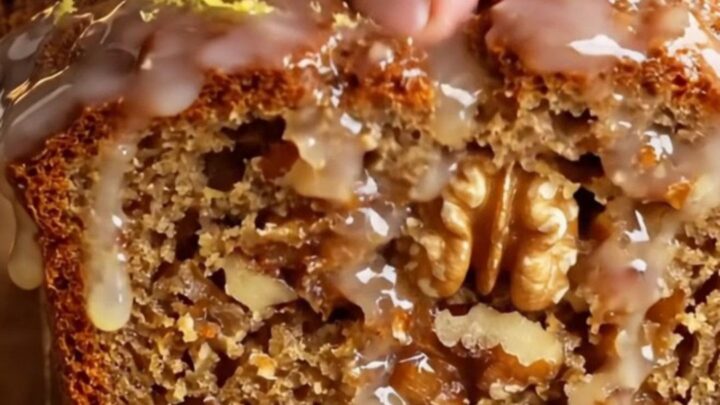
Viral Whole-Lemon Blender Cake with Walnuts Tips, FAQ & printable recipe
- Prep
- Cook
- Total
- Serves
- 10
Tips for success
For the best flavor, use a fresh lemon with smooth, thin skin. Thicker-skinned lemons can be more bitter, so if yours is very thick, you may want to remove some of the white pith before blending.
The lemon should be cut into wedges small enough to blend completely; if your blender struggles, add the eggs first and blend until smooth before adding the remaining ingredients.
Toast the walnuts in a dry skillet over medium heat for 3 to 5 minutes, shaking frequently, until they are fragrant and lightly browned. Let them cool completely before folding them into the batter.
To test doneness, insert a toothpick into the center; it should come out clean. Let the cake cool in the pan for exactly 10 minutes — too long and it may stick, too short and it may break.
Variations
- Orange-Walnut Blender Cake: Swap the lemon for a whole washed orange, cut into wedges. Use orange juice in the glaze instead of lemon juice. The flavor is sweeter and more aromatic, with a lovely floral note.
- Lemon-Poppy Seed Cake: Reduce walnuts to 1/2 cup and add 2 tablespoons of poppy seeds. Fold them in with the flour mixture. The poppy seeds add a delicate crunch and a classic bakery feel.
- Gluten-Free Version: Replace the all-purpose flour with a 1:1 gluten-free baking flour blend. The texture will be slightly more crumbly but still moist and tender. Ensure the baking powder is gluten-free.
- Lemon-Blueberry Blender Cake: Fold 1 cup of fresh or frozen blueberries into the batter along with the walnuts. If using frozen, toss them with a little flour to prevent sinking. The berries burst and create pockets of jammy sweetness.
Storage and make-ahead
- Fridge
- Store the cake in an airtight container in the refrigerator for up to 5 days. Bring to room temperature before serving for the best texture.
- Freezer
- Wrap the unglazed or glazed cake tightly in plastic wrap and then foil. Freeze for up to 3 months.
- Reheat
- To warm individual slices, microwave for 10-15 seconds or place in a 300°F (150°C) oven for 5-7 minutes. The glaze may soften but will still taste delicious.
Store the cooled cake in an airtight container at room temperature for up to 3 days. The glaze will remain glossy and the crumb will stay moist. If the weather is very warm, you can refrigerate the cake, but bring it to room temperature before serving for the best texture and flavor. Wrap individual slices tightly in plastic wrap for easy on-the-go treats.
This cake can be made a day ahead and stored in an airtight container at room temperature. The flavors actually deepen overnight, making it even more lemony and moist.
If you plan to glaze it, wait until just before serving to pour the glaze over the cake, or do it the day before and allow the glaze to set completely. The cake also freezes well (see freezer instructions).
Serving ideas
Serve this cake at room temperature or slightly warm. A slice pairs beautifully with a cup of hot tea or coffee, and the bright lemon flavor makes it a refreshing end to any meal.
The glaze adds a sweet, crackly contrast to the tender, nutty crumb. For an extra touch, garnish each slice with a few fresh lemon zest curls or an extra sprinkle of chopped toasted walnuts.
This cake is equally delicious for breakfast, brunch, or dessert. It travels well, making it a great choice for picnics or potlucks. If serving to guests, cut thick slices and arrange them on a platter. The cake is moist enough to stand on its own, but a dollop of lightly sweetened whipped cream or a scoop of vanilla ice cream turns it into a more indulgent dessert.
Frequently asked questions
Can the whole lemon really be blended without becoming bitter?
Why is the cake so moist?
Can this cake be made without nuts?
How should the cake be stored to keep it fresh?
What if the glaze is too thin or too thick?
Viral Whole-Lemon Blender Cake with Walnuts

Ingredients
- 1 whole washed lemon, cut into wedges
- 3 large eggs
- 1 cup vegetable oil
- 1 cup whole milk
- 1 cup granulated sugar
- 2 1/2 cups all-purpose flour
- 2 tsp baking powder
- 1 cup chopped toasted walnuts
- 1 cup powdered sugar
- 2 tbsp fresh lemon juice
Instructions
- Place the washed lemon wedges, eggs, vegetable oil, whole milk, and granulated sugar in a blender. Blend on high for 2 minutes until the mixture is completely smooth and silky. The lemon should be fully pureed with no large pieces remaining. Stop the blender and scrape down the sides if needed, then blend again for a few seconds to ensure uniformity.
- In a large mixing bowl, whisk together the all-purpose flour and baking powder until well combined. Make a well in the center of the flour mixture. Pour the blended lemon mixture into the well. Use a rubber spatula to fold the wet and dry ingredients together just until no streaks of flour remain. Be careful not to overmix, as that can make the cake tough.
- Add the chopped toasted walnuts to the batter. Fold them in gently with the rubber spatula until they are evenly distributed throughout the batter. The batter will be thick but pourable. Do not overmix; fold just until the walnuts are incorporated. Set the batter aside while preparing the loaf pan.
- Heat the oven to 350°F (175°C). Lightly grease a 9x5-inch loaf pan with butter or cooking spray. Line the pan with a strip of parchment paper that overhangs the two long sides, creating a sling for easy removal. The parchment should sit flush against the bottom and sides of the pan. Set the prepared pan aside.
- Pour the batter into the prepared loaf pan and smooth the top with a spatula. Bake at 350°F (175°C) for 45 minutes, or until the cake is domed and golden brown on top. A toothpick inserted into the center should come out clean or with only a few moist crumbs attached. The internal temperature of the cake should read 200°F (93°C) in the center.
- Remove the loaf pan from the oven and place it on a wire cooling rack. Let the cake cool in the pan for 10 minutes. This short rest allows the cake to set and makes it easier to remove without breaking. After 10 minutes, use the parchment sling to lift the cake out of the pan and transfer it to the cooling rack to cool completely.
- In a small bowl, whisk together the powdered sugar and fresh lemon juice until smooth. The glaze should be thick but pourable. If it is too thick, add a few more drops of lemon juice; if too thin, add a little more powdered sugar. The glaze should coat the back of a spoon and slowly drip off.
- While the cake is still warm (but not hot), pour the glaze evenly over the top. Use a spoon or offset spatula to spread it gently to the edges, allowing it to drip down the sides. The warmth of the cake will help the glaze set into a glossy, crackly crust. Let the cake cool completely on the rack before slicing.
Estimated nutrition per serving
- Calories
- 480
- Protein
- 6 g
- Carbohydrates
- 55 g
- Fat
- 28 g
Next recipe
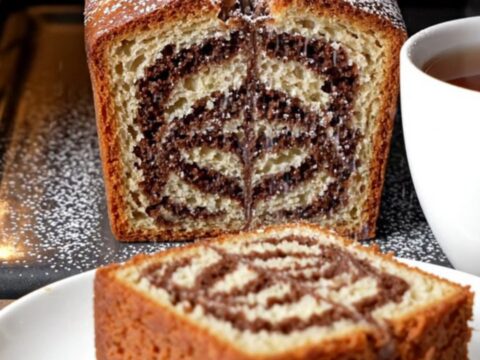
Classic Butter Marble Cake with a Velvety Crumb
See the recipe → →This recipe is based on a short cooking video and is published under the pen name Clara Weller. It was checked before publication, but errors can slip through. Nutrition, when shown, is an estimate. Read more in our editorial policy and on our food safety page.
More recipes to try
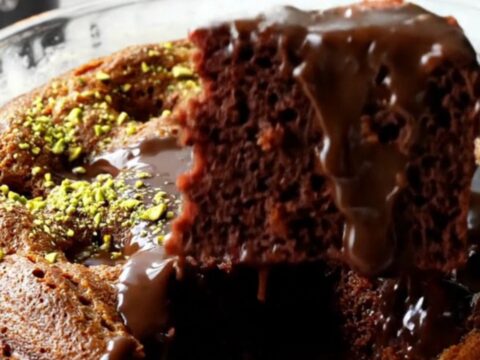
Moist Turkish Wet Chocolate Cake with Fudge Sauce
Total time: 1 h
3-Ingredient Chocolate Cookie Truffles: No-Bake, Rich & Easy
Total time: 35 min
Fudgy Double Chocolate Banana Bread Recipe
Total time: 1 h 15 min
One-Bowl Whole-Lemon Blender Cake with Walnuts
Total time: 1 h
Giant 6-Ounce Two-Chip Cookies with Molten Centers
Total time: 30 min