Desserts · Part 1 of 3: Ingredients
Viral Whole-Lemon Blender Cake with Walnuts
- Prep
- Cook
- Total
- Serves
- 10
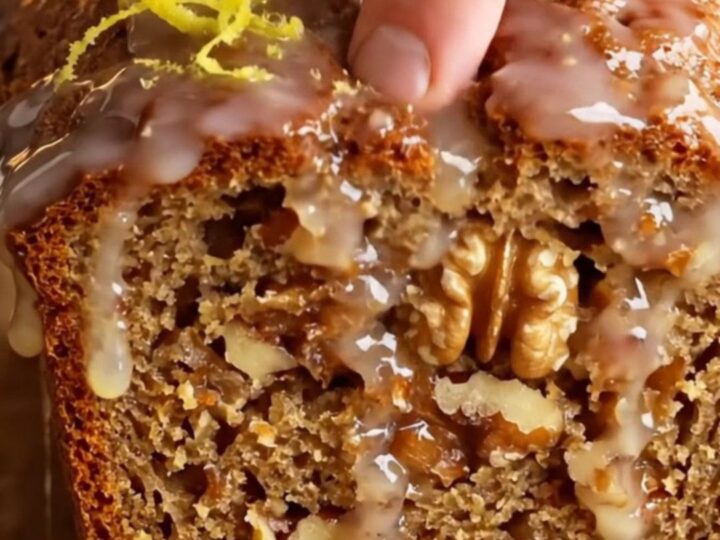
This viral whole-lemon blender cake is the brightest, most incredibly moist citrus cake you will ever make. A whole lemon — rind, pith, and all — goes straight into the blender with eggs, oil, milk, and sugar, creating a silky puree that perfumes every crumb. Fold in toasted walnuts, bake until golden, and finish with a crackly lemon glaze. The result is a tender, tangy loaf that tastes like sunshine in cake form.
One blender, one bowl, and a whole lemon are all it takes to create this showstopping loaf. The entire lemon is pureed, so every slice is packed with intense citrus flavor and natural moisture.
The walnuts add a nutty crunch, while the glaze seals in the tenderness. This cake is perfect for brunches, tea time, or whenever you need a bright, comforting dessert. It is simple enough for a weekday bake yet impressive enough to serve to guests.
Ingredients
- 1 whole washed lemon, cut into wedges
- 3 large eggs
- 1 cup vegetable oil
- 1 cup whole milk
- 1 cup granulated sugar
- 2 1/2 cups all-purpose flour
- 2 tsp baking powder
- 1 cup chopped toasted walnuts
Glaze
- 1 cup powdered sugar
- 2 tbsp fresh lemon juice
Why this recipe works
Blending the whole lemon — including the rind and pith — releases essential oils and pectin that infuse the batter with concentrated lemon flavor and natural moisture.
The pith, which is often discarded, contains no bitterness once fully pureed; instead, it adds a gentle floral note and helps create an incredibly tender crumb. The high-speed blender breaks down the lemon fibers completely, so the cake has no tough bits, just a smooth, aromatic puree that perfumes every bite.
The combination of oil and milk in the batter ensures the cake stays moist for days. Oil coats the flour proteins, preventing them from developing too much gluten, which keeps the crumb soft and tender.
The milk adds richness and helps the cake rise evenly. Folding the dry ingredients gently into the wet mixture rather than overmixing further protects the texture, resulting in a light, springy loaf that bounces back when pressed.
Notes and substitutions
Use a fresh, firm lemon with bright yellow skin. Wash it thoroughly before cutting, as the entire fruit goes into the blender. If the lemon has seeds, remove them before blending to avoid any bitter pockets. The lemon should be cut into wedges so it blends more easily and completely. Do not peel it — the rind is where most of the flavor lives.
Toasted walnuts are essential for their deep, nutty flavor and crunchy texture. Toast them in a dry skillet over medium heat for 3 to 5 minutes, shaking often, until fragrant and lightly browned.
Let them cool before folding into the batter. The glaze is simple: powdered sugar and fresh lemon juice. Adjust the consistency with extra juice or sugar as needed. For a thicker glaze, use less juice; for a thinner one, add more.
- vegetable oil: canola oil or another neutral oil such as grapeseed or sunflower oil
- whole milk: 2% or skim milk, or a nondairy milk like oat or almond milk (the cake may be slightly less tender)
- walnuts: pecans or a combination of walnuts and pecans
- all-purpose flour: a 1:1 gluten-free baking flour blend (the texture will be slightly more crumbly)
Equipment
- Blender
- Large mixing bowl
- Rubber spatula
- 9x5-inch loaf pan
- Parchment paper
- Cooling rack
- Small bowl for glaze
- Whisk
Up next · Part 2 of 3
8 steps · 45 min of cooking · what to look for at each stage
Step-by-step instructions (Part 2)