Breakfast · Part 3 of 3: Tips & recipe card
Ultra-Jiggly Japanese Soufflé Pancakes Tips, FAQ & printable recipe
- Prep
- Cook
- Total
- Serves
- 2
Tips for success
For the most stable meringue, ensure your bowl and beaters are spotless and free of any grease. Wipe them with a little lemon juice or vinegar before whipping if needed.
Beat the egg whites gradually, starting on low speed and increasing to medium-high, adding the sugar slowly once soft peaks form. This creates a glossy, stiff meringue that holds its shape perfectly.
When folding the meringue into the yolk mixture, use a rubber spatula and make a cutting motion through the center, then sweep around the bowl. Rotate the bowl a quarter turn with each fold.
Stop as soon as the batter is homogeneous—overfolding will deflate it. If you are new to this technique, practice with a few gentle folds and check the consistency frequently.
Variations
- Vanilla Bean Soufflé Pancakes: Add the seeds from half a vanilla bean or 1 teaspoon vanilla extract to the yolk mixture before adding the flour. This adds a fragrant, sweet aroma that complements the fluffy texture beautifully.
- Chocolate Soufflé Pancakes: Replace 10 g of the cake flour with unsweetened cocoa powder and sift together. The pancakes will have a deep chocolate flavor and a slightly darker color. Serve with whipped cream and chocolate sauce.
- Berry-Topped Soufflé Pancakes: Fold a handful of fresh blueberries or raspberries into the batter just before cooking. The berries add bursts of tartness and color. Serve with extra berries and a dusting of powdered sugar.
- Citrus Soufflé Pancakes: Add 1 teaspoon of finely grated lemon or orange zest to the yolk mixture. The bright citrus notes cut through the richness of the butter and syrup, making the pancakes feel lighter and more refreshing.
Storage and make-ahead
- Fridge
- Store leftover pancakes in an airtight container in the refrigerator for up to 2 days. Reheat gently in a toaster oven or covered skillet.
- Freezer
- Freeze pancakes in a single layer on a baking sheet, then transfer to a freezer bag for up to 1 month. Thaw in the refrigerator overnight.
- Reheat
- Reheat thawed pancakes in a toaster oven or a dry skillet over low heat, covered, for 3-4 minutes until warmed through.
These pancakes are best enjoyed fresh off the griddle, but leftovers can be stored in an airtight container in the refrigerator for up to 2 days. To reheat, place them in a toaster oven or a dry skillet over low heat, covered, for a few minutes until warmed through. They will lose some of their fluffiness but will still be delicious.
The whipped matcha butter can be made up to 3 days ahead and stored in the refrigerator. Bring it to room temperature before serving. The batter itself cannot be made ahead, as the meringue will deflate. However, you can separate the eggs and measure the dry ingredients the night before to save time in the morning.
Serving ideas
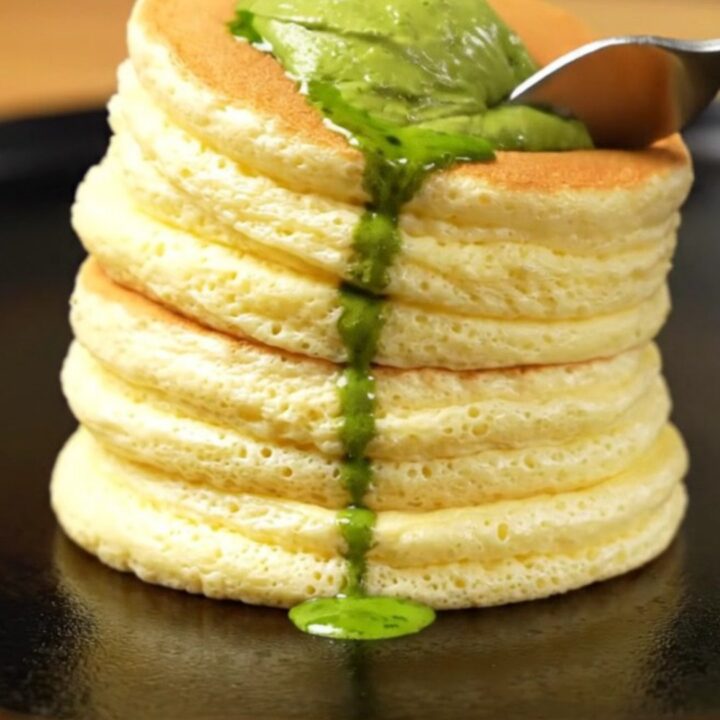
Serve the pancakes immediately after cooking, while they are still warm and jiggly. Place two pancakes on a plate and top with a quenelle of whipped matcha butter, letting it melt slightly over the surface.
Drizzle warm maple syrup generously around and over the pancakes. The contrast of the warm, soft pancake with the cool, creamy butter is delightful.
For a more indulgent presentation, dust the pancakes with a little confectioners' sugar or add a few fresh berries on the side. These pancakes are perfect for a special brunch or a weekend treat.
They are also wonderful for a celebration breakfast, as they look impressive and taste ethereal. Pair them with a cup of green tea or coffee for a café-style experience at home.
Frequently asked questions
Why do the pancakes deflate after cooking?
Can this recipe be made without cake flour?
What if the pancakes are browning too quickly?
Can the batter be made ahead of time?
How do you make the whipped matcha butter?
Ultra-Jiggly Japanese Soufflé Pancakes
Ingredients
- 2 large egg yolks
- 20 ml whole milk
- 35 g cake flour
- 3 large egg whites
- 25 g caster sugar
- 10 ml water
- whipped matcha butter, for serving
- warm maple syrup, for serving
Instructions
- Separate the eggs, placing the yolks in one bowl and the whites in another. Whisk the yolks with the milk until smooth. Sift the cake flour over the yolk mixture and whisk until no lumps remain. The batter should be thick and glossy.
- In a clean bowl, beat the egg whites with an electric mixer on medium speed until foamy. Gradually add the caster sugar, a spoonful at a time, and continue beating until stiff, glossy peaks form. The meringue should hold a firm peak when the whisk is lifted.
- Add one-third of the meringue to the yolk mixture and fold gently with a rubber spatula until just combined. Add the remaining meringue and fold carefully, cutting through the center and sweeping around the bowl, until no streaks remain. The batter should be airy and light.
- Preheat an electric griddle or a large nonstick skillet to 300°F (150°C). Lightly grease the surface with a little butter or oil. The griddle is ready when a drop of water sizzles gently and evaporates.
- Scoop the batter onto the griddle in tall mounds, about 4 inches wide and 3 inches high. Add the water to the griddle, away from the pancakes, and immediately cover with a lid. Cook for 4 minutes, then carefully flip the pancakes and cook for another 4 minutes, covered, until golden and puffed.
- After cooking, insert an instant-read thermometer into the center of a pancake to ensure it has reached 160°F (71°C). If not, continue cooking covered for another minute or two, then check again.
- Transfer the pancakes to a warm plate. Top with a quenelle of whipped matcha butter and drizzle with warm maple syrup. Serve immediately while the pancakes are still jiggly and warm.
Estimated nutrition per serving
- Calories
- 250
- Protein
- 8 g
- Carbohydrates
- 30 g
- Fat
- 10 g
- Fiber
- 0 g
- Sugar
- 15 g
- Sodium
- 80 mg
Next recipe
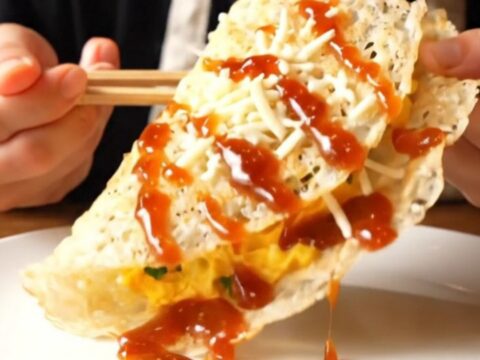
Crispy Rice Paper Egg Crepe with Mozzarella
See the recipe → →This recipe is based on a short cooking video and is published under the pen name Clara Weller. It was checked before publication, but errors can slip through. Nutrition, when shown, is an estimate. Read more in our editorial policy and on our food safety page.
More recipes to try

Crispy Potato Crust Breakfast Bake with Runny Eggs
Total time: 21 min
Crispy Brown Butter Sage Polenta with Basted Eggs
Total time: 15 min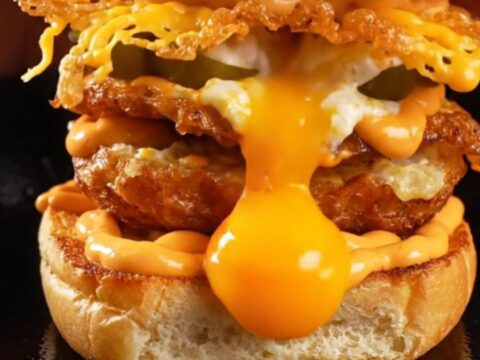
Tangy Cheddar-Crusted Fried Egg Sandwich
Total time: 5 min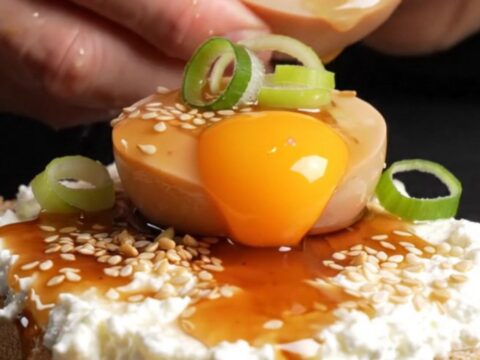
Jammy Soy-Marinated Eggs for Effortless Meal Prep
Total time: 12 h 17 min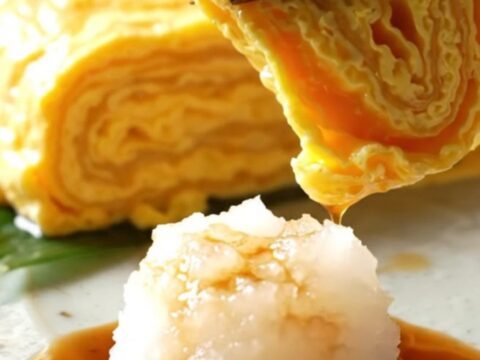
Authentic Japanese Tamagoyaki Rolled Omelette
Total time: 10 min