Breakfast · Part 3 of 3: Tips & recipe card
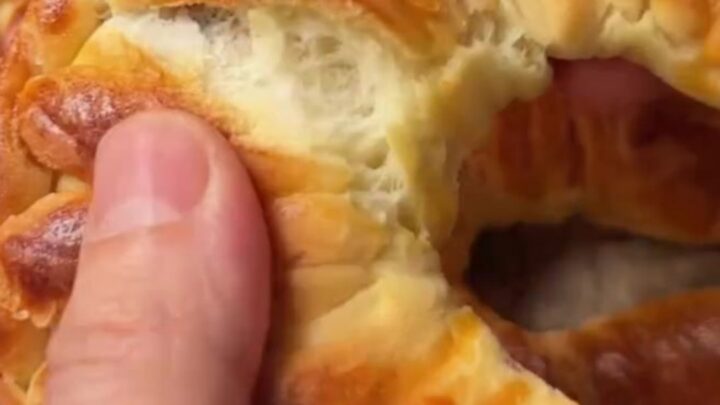
Turkish Braided Feta Buns: Soft and Pillowy Tips, FAQ & printable recipe
- Prep
- Cook
- Total
- Serves
- 8
Tips for success
For an extra-soft crumb, use bread flour instead of all-purpose flour. The higher protein content creates more gluten, resulting in a chewier, more tender texture.
You can also add a tablespoon of dry milk powder to the dough for added richness and softness. When shaping the buns, keep the dough well-floured to prevent sticking, but don't use too much flour as it can make the dough dry.
To achieve a beautiful golden sheen, brush the buns with egg wash twice: once before the second rise and again just before baking. This double coating gives a deeper color and a glossy finish. If you prefer a softer crust, brush the hot buns with melted butter as soon as they come out of the oven. This adds flavor and keeps the crust tender.
Variations
- Spinach and Feta: Add 1 cup of thawed and squeezed-dry frozen spinach to the feta filling. This adds color and moisture. Increase the baking time by 2 minutes if the filling seems wet.
- Olive and Herb: Mix 1/2 cup chopped kalamata olives into the feta filling. The briny olives complement the creamy feta. Reduce the salt in the dough slightly if desired.
- Sweet Version: Omit the feta and herbs. Instead, fill the buns with a mixture of 1/2 cup chocolate chips and 1/4 cup chopped walnuts. Brush with egg wash and sprinkle with coarse sugar before baking.
- Cheese Only: Use 8 oz of crumbled feta alone, without herbs. This is a classic, simple version that lets the cheese shine. You can also mix in 1/4 cup grated parmesan for extra savoriness.
Storage and make-ahead
- Fridge
- Store the buns in an airtight container in the refrigerator for up to 4 days. Reheat in a 350°F (175°C) oven for 5-7 minutes until warm and soft.
- Freezer
- Freeze the baked buns in a freezer-safe bag for up to 2 months. Thaw at room temperature, then reheat in a 350°F (175°C) oven for 8-10 minutes.
- Reheat
- To refresh, wrap buns in foil and warm in a 300°F (150°C) oven for 10 minutes. This restores softness without drying them out.
Store the cooled buns in an airtight container at room temperature for up to 2 days. To maintain softness, place a slice of bread in the container—it will absorb excess moisture and keep the buns soft.
If the buns become stale, refresh them in a 300°F (150°C) oven for 5 minutes. For longer storage, freeze the buns in a single layer, then transfer to a freezer bag. Reheat frozen buns in a 350°F (175°C) oven for 10 minutes.
The dough can be prepared up to 24 hours in advance. After kneading, place it in a greased bowl, cover, and refrigerate. The cold temperature slows the rise, allowing you to shape the buns the next day.
Let the dough come to room temperature for about 30 minutes before shaping. Alternatively, shape the buns and refrigerate them on the baking sheet, covered, overnight. In the morning, let them come to room temperature for 30 minutes, then bake as directed.
Serving ideas
Serve these buns warm from the oven with a pat of butter or a drizzle of honey. They pair beautifully with a cup of Turkish tea or coffee for breakfast or an afternoon snack. The savory feta and herbs make them a satisfying accompaniment to soups and salads. For a heartier meal, serve them alongside a bowl of lentil soup or a fresh green salad.
These buns are also wonderful for brunch spreads, alongside scrambled eggs, olives, and fresh tomatoes. The soft, pillowy texture makes them perfect for tearing and sharing.
If you have leftovers, split them and toast them lightly, then top with a fried egg for a delicious breakfast sandwich. The flavor is versatile enough to pair with both sweet and savory accompaniments.
Frequently asked questions
Can the dough be made without eggs?
Why did your buns come out dense?
Can the buns be frozen before baking?
What if you don't have nigella seeds?
How do you know the buns are fully cooked?
Turkish Braided Feta Buns: Soft and Pillowy

Ingredients
- 1 cup warm milk
- 1 cup warm water
- 1/2 cup vegetable oil
- 1 egg white
- 2 tbsp sugar
- 1 packet active dry yeast
- 5 cups all-purpose flour
- 8 oz feta cheese, crumbled
- 1/4 cup fresh herbs (dill, parsley), chopped
- 1 egg yolk
- 1 tbsp milk
- 1 tbsp nigella seeds
Instructions
- In a large bowl, whisk together the warm milk, warm water, vegetable oil, egg white, sugar, and yeast. Let sit for 5 minutes until foamy. Gradually add the flour, stirring with a wooden spoon until a soft dough forms. Turn out onto a floured surface and knead for 5-7 minutes until smooth and elastic. Place in a greased bowl, cover, and let rise in a warm place for 1 hour, or until doubled in size.
- In a small bowl, combine the crumbled feta cheese and chopped fresh herbs. Mix well. Set aside.
- Punch down the risen dough and divide it into 8 equal pieces. Roll each piece into a ball, then flatten into a rectangle about 6 inches long. Place a spoonful of the feta mixture along the center. Fold the dough over the filling and pinch the edges to seal. Roll gently to form a log, then cut the log into three strips lengthwise, leaving one end intact. Braid the three strips loosely and pinch the ends to seal. Shape into a round bun. Repeat with remaining dough.
- Place the shaped buns on a parchment-lined baking sheet, leaving space between them. Cover loosely with a clean towel and let rise in a warm place for 20-30 minutes, until slightly puffy.
- In a small bowl, whisk together the egg yolk and milk. Brush the risen buns generously with the egg wash. Sprinkle with nigella seeds. Bake in the preheated oven at 375°F (190°C) for 20 minutes, until golden brown and puffed. The internal temperature of the buns should reach 160°F (71°C) to ensure the egg is fully cooked.
- Remove the buns from the oven and let them cool on the baking sheet for 5 minutes. Then transfer to a wire rack. Serve warm or at room temperature. The buns are best enjoyed the same day.
Estimated nutrition per serving
- Calories
- 380
- Protein
- 12 g
- Carbohydrates
- 52 g
- Fat
- 14 g
Next recipe
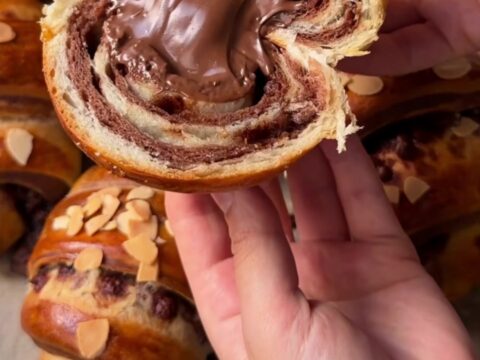
Two-Tone Chocolate Croissant Buns: Quick Pull-Apart Pastry
See the recipe → →This recipe is based on a short cooking video and is published under the pen name Clara Weller. It was checked before publication, but errors can slip through. Nutrition, when shown, is an estimate. Read more in our editorial policy and on our food safety page.
More recipes to try
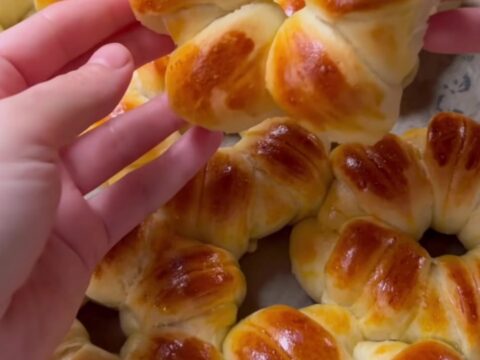
Flower-Shaped Turkish Brioche Buns, Pillowy Soft
Total time: 1 h 45 min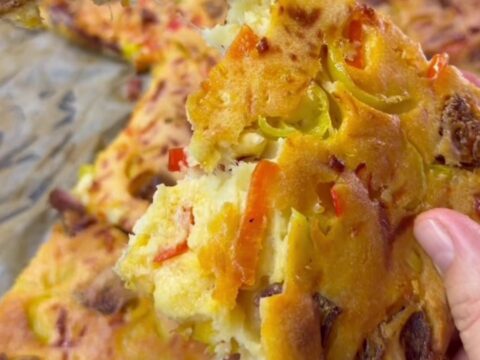
Golden Turkish Breakfast Cake with Feta and Herbs
Total time: 45 min
Crispy Shredded Hash Browns with Tangy Garlic Hot Sauce Dip
Total time: 40 min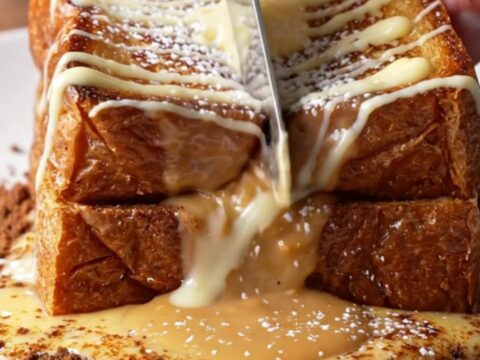
Molten Biscoff Stuffed French Toast with White Chocolate Drizzle
Total time: 27 min
S'mores Stuffed Brioche French Toast with Melted Marshmallow & Milk Chocolate
Total time: 27 min