Dinner · Part 3 of 3: Tips & recipe card
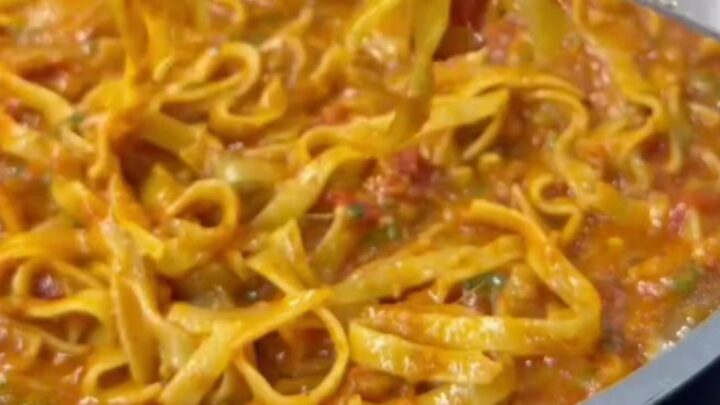
One-Pan Whole Vegetable Tagliatelle Tips, FAQ & printable recipe
- Prep
- Cook
- Total
- Serves
- 4
Tips for success
For the best flavor, use high-quality extra-virgin olive oil; it's a key ingredient and you'll taste the difference. If you have time, let the vegetables come to room temperature before cooking, as this helps them cook more evenly.
When peeling the tomatoes, use a paring knife to gently lift the skin; it should come off in one piece if the tomatoes are fully cooked.
To make the sauce extra silky, use an immersion blender to puree a portion of the vegetables before adding the pasta. For a chunkier texture, leave the vegetables as they are.
If the sauce becomes too thick, add a splash of pasta water to loosen it. And don't forget to taste and adjust seasoning at the end—a pinch of salt can make all the difference.
Variations
- Spicy Arrabbiata: Add 1/2 teaspoon of red pepper flakes along with the salt and pepper in the first step. The heat will infuse the olive oil and vegetables, giving the sauce a pleasant kick that pairs well with the sweet tomatoes.
- Herb Garden: Stir in a handful of fresh basil, parsley, or oregano just before serving. The bright, herbal notes will lift the sauce and add a fresh dimension to the dish.
- Creamy Ricotta: Fold in 1/2 cup of ricotta cheese along with the Parmesan. The ricotta will melt into the sauce, making it even creamier and richer, with a mild, milky flavor.
- Summer Squash: Replace the zucchini with yellow summer squash for a colorful twist. The squash has a similar texture and mild flavor, but adds a beautiful golden hue to the sauce.
Storage and make-ahead
- Fridge
- Store leftovers in an airtight container in the refrigerator for up to 3 days. Reheat gently with a splash of water or olive oil.
- Freezer
- The sauce can be frozen in a freezer-safe container for up to 3 months. Thaw overnight in the refrigerator and reheat before tossing with fresh pasta.
- Reheat
- Reheat leftover tagliatelle in a skillet over medium-low heat with a splash of water or olive oil, stirring until heated through.
Store any leftover tagliatelle in an airtight container in the refrigerator for up to 3 days.
The pasta will absorb some of the sauce, so you may want to add a splash of water or olive oil when reheating to restore its creamy texture. Reheat gently in a skillet over medium-low heat, stirring frequently, until warmed through.
The vegetable sauce can be made up to 2 days in advance. Cook the vegetables as directed, then let the sauce cool completely and refrigerate in an airtight container.
When ready to serve, reheat the sauce in a large skillet over medium heat, adding a splash of water if needed. Cook the pasta fresh and toss with the reheated sauce. The sauce also freezes well for up to 3 months.
Serving ideas
Serve the tagliatelle immediately after tossing, while the sauce is hot and silky. Twirl the pasta into tall nests using tongs, then spoon any extra sauce over the top. Finish with a generous grating of Parmesan and a drizzle of olive oil, if desired. A simple green salad and crusty bread make excellent accompaniments.
This dish is substantial enough to be a main course, but it also works as a side dish for grilled chicken or fish. For a vegetarian feast, serve it alongside a frittata or roasted vegetables. The leftovers are delicious cold, tossed with a little extra olive oil and lemon juice for a pasta salad the next day.
Frequently asked questions
Can this recipe be made with dried tagliatelle?
Why are the vegetables left whole instead of chopped?
Can the sauce be made ahead of time?
What can be used instead of Parmesan cheese?
Is it necessary to peel the tomatoes?
One-Pan Whole Vegetable Tagliatelle
Ingredients
- 1/4 cup extra-virgin olive oil
- 4 whole ripe tomatoes
- 2 medium zucchini
- 1 small eggplant
- 2 yellow onions, peeled
- 1 tsp kosher salt
- 1/2 tsp black pepper
- 10 oz fresh egg tagliatelle
- 1/2 cup grated Parmesan cheese
Instructions
- Place the whole tomatoes, zucchini, eggplant, and peeled onions into a large skillet with the olive oil. Season with salt and pepper. Turn the heat to medium-high and bring the oil to a gentle sizzle. Cover the skillet and reduce the heat to medium-low.
- Simmer the vegetables covered for 15 minutes, until they are completely tender and the skins begin to loosen. The tomatoes should be soft enough that the skins can be lifted easily. Use tongs to transfer the tomatoes to a cutting board and peel away the skins with your fingers or a paring knife.
- Return the peeled tomatoes to the skillet with the other vegetables. Use a potato masher or the back of a spoon to break up the vegetables into a rustic, chunky sauce. Stir to combine and keep warm over low heat.
- Bring a large pot of salted water to a boil. Add the fresh tagliatelle and cook for 2 to 3 minutes, until al dente. Reserve about 1/2 cup of the pasta water, then drain the pasta.
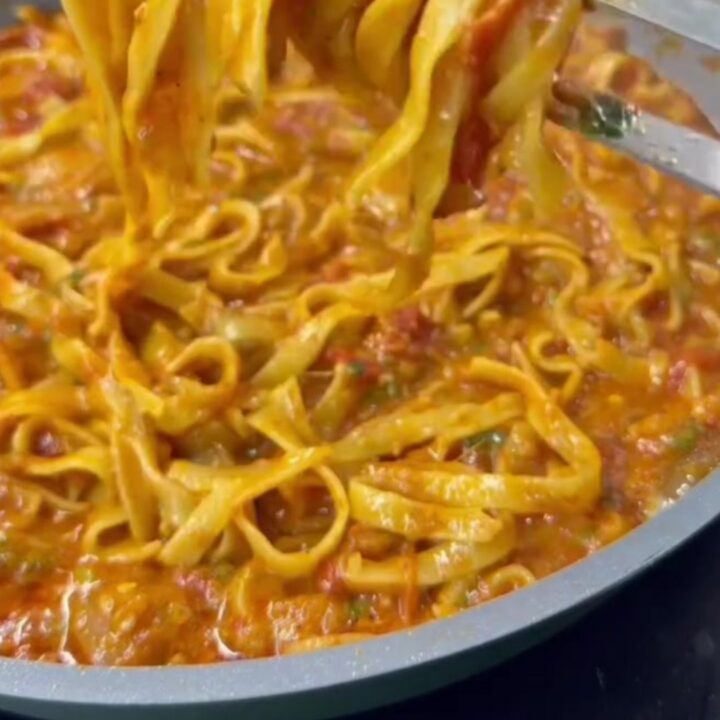
- Add the drained tagliatelle to the skillet with the vegetable sauce. Sprinkle the grated Parmesan over the top. Use tongs to toss everything together, allowing the pasta ribbons to coat evenly with the creamy sauce. If the sauce seems thick, add a splash of the reserved pasta water to loosen it.
- Continue to toss the pasta over low heat for 1 to 2 minutes, until the cheese is melted and the sauce is silky. Taste and adjust seasoning with salt and pepper. Remove from heat and serve immediately, twirling the tagliatelle into tall nests on plates.
Estimated nutrition per serving
- Calories
- 520
- Protein
- 18 g
- Carbohydrates
- 68 g
- Fat
- 20 g
Next recipe

Baked Chipotle Beef Tacos
See the recipe → →This recipe is based on a short cooking video and is published under the pen name Clara Weller. It was checked before publication, but errors can slip through. Nutrition, when shown, is an estimate. Read more in our editorial policy and on our food safety page.
More recipes to try
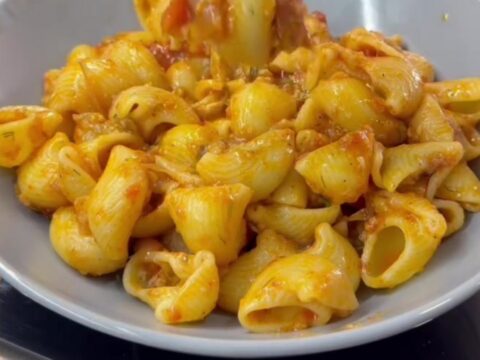
One-Pan Cheesy Roasted Vegetable Pasta
Total time: 55 min
Bakery-Style Homemade Pizza with Stretchy Cheese Pull
Total time: 1 h 32 min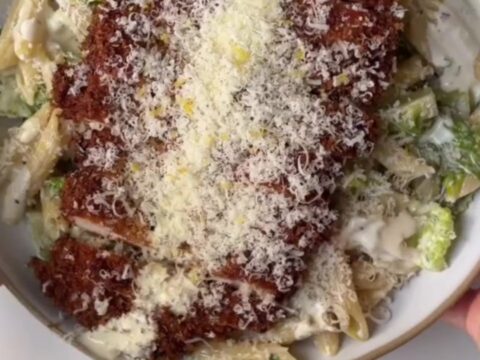
Crispy Chicken Caesar Pasta Salad
Total time: 35 min
One-Pan Meatball Penne with Garden Vegetables
Total time: 50 min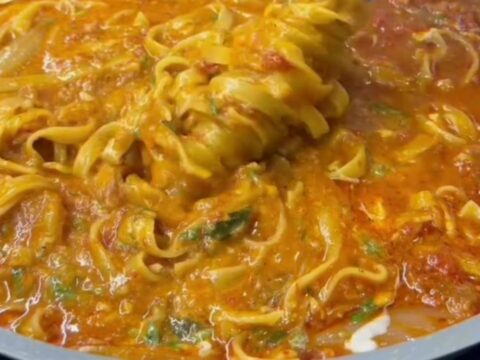
Whole Vegetable Pasta with Glossy Tagliatelle
Total time: 30 min