Dinner · Part 1 of 3: Ingredients
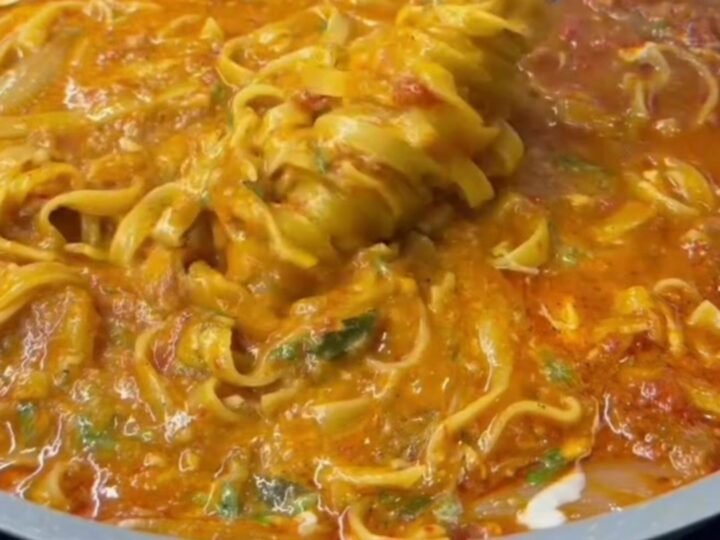
Whole Vegetable Pasta with Glossy Tagliatelle
- Prep
- Cook
- Total
- Serves
- 4
This whole vegetable pasta turns the simplest ingredients into a deeply flavorful, glossy sauce that clings to every ribbon of tagliatelle.
By simmering whole vegetables with just salt and oil, you coax out their natural sweetness and create a silky, vibrant coating without any chopping or pureeing. The blistered tomatoes peel away effortlessly, leaving behind a concentrated, rich base.
This recipe celebrates the beauty of whole vegetables. Instead of dicing or grating, you let cherry tomatoes, zucchini, and bell peppers simmer gently in olive oil until they soften and blister. A quick peel of the tomato skins reveals a silky, sweet flesh that forms the base of a glossy sauce.
The vegetables break down just enough to coat the pasta, while still offering little pockets of texture. With a handful of fresh herbs and a shower of Parmesan, this dish is proof that simple techniques can yield extraordinary results. It's a weeknight dinner that feels special, yet requires minimal effort and only one pan.
Ingredients
- 2 tbsp olive oil
- 2 cups mixed whole vegetables (such as cherry tomatoes, zucchini, bell peppers)
- 1 tsp kosher salt
- 10 oz dried tagliatelle
- 1/4 cup fresh parsley, chopped
- 1/2 cup freshly grated Parmesan cheese
Why this recipe works
Simmering whole vegetables in oil and salt draws out their moisture and concentrates their flavor. The gentle steam softens the cell walls, so the vegetables collapse into a silky, jammy consistency without needing to be chopped or blended. This method preserves their natural sweetness and creates a sauce that clings to pasta with a glossy, velvety finish.
Peeling the blistered tomato skins is a small step that makes a big difference. The skins become tough and papery during cooking, but the flesh underneath turns tender and sweet.
Removing them ensures a smooth, luxurious sauce without any chewy bits. Tossing the pasta directly into the skillet lets the ribbons absorb the sauce, while a splash of pasta water helps emulsify everything into a cohesive, shiny coating.
Notes and substitutions
Choose vegetables that are similar in size so they cook evenly. Cherry tomatoes, baby zucchini, and small bell pepper chunks work well. If using larger vegetables, cut them into uniform pieces. The key is to keep them whole or in large chunks so they soften without turning to mush. Use a deep non-stick skillet to prevent sticking and make peeling the tomatoes easier.
Tagliatelle is the classic choice, but fettuccine or pappardelle are excellent substitutes. Cook the pasta just shy of al dente, as it will finish cooking in the skillet. Reserve plenty of pasta water—its starch helps bind the sauce to the noodles.
For a dairy-free version, omit the Parmesan or use a nutritional yeast-based alternative. Fresh parsley is essential for brightness; dried parsley won't provide the same fresh flavor.
- tagliatelle: fettuccine or pappardelle work well; adjust cooking time to package directions.
- mixed whole vegetables: Use any whole vegetables that soften when simmered, such as whole baby carrots, small onions, or halved mushrooms.
- Parmesan: Use Pecorino Romano for a sharper flavor, or omit for a dairy-free version.
Equipment
- Deep non-stick skillet with lid
- Kitchen tweezers
- Tongs
- Large pot for pasta
- Colander
Up next · Part 2 of 3
5 steps · 20 min of cooking · what to look for at each stage
Step-by-step instructions (Part 2)