Dinner · Part 2 of 3: Instructions
Whole Vegetable Pasta with Glossy Tagliatelle Step-by-step instructions
- Prep
- Cook
- Total
- Serves
- 4
Before you start
Before starting, gather all ingredients and equipment. Fill a large pot with water and bring it to a boil for the pasta. Have a deep non-stick skillet ready, along with kitchen tweezers for peeling the tomatoes.
Measure out the olive oil, salt, and pasta. Grate the Parmesan cheese and chop the parsley. The entire dish comes together quickly once the vegetables start simmering, so having everything within reach ensures a smooth cooking process.
Ingredients at a glance (6)
- 2 tbsp olive oil
- 2 cups mixed whole vegetables (such as cherry tomatoes, zucchini, bell peppers)
- 1 tsp kosher salt
- 10 oz dried tagliatelle
- 1/4 cup fresh parsley, chopped
- 1/2 cup freshly grated Parmesan cheese
Instructions
Simmer and Peel
- Start the Vegetable BaseHeat the olive oil in a deep non-stick skillet over medium heat. Add the whole vegetables and kosher salt, stirring to coat them in the oil. Cover the skillet and let the vegetables simmer gently for 15 minutes, until they soften and their skins begin to blister.Look for The vegetables should be tender and slightly charred in spots, with the oil shimmering and fragrant.Tip Keep the heat medium-low to avoid burning; the steam helps soften the vegetables evenly.
- Peel the Blistered TomatoesRemove the skillet from the heat. Using kitchen tweezers, carefully peel off the blistered tomato skins. Discard the skins, leaving the soft tomato flesh and other vegetables in the skillet.Look for The skins should slip off easily, revealing glossy, tender tomato flesh.Tip Work gently to keep the vegetables intact; the skins come off effortlessly when blistered.
After 15 minutes, the skillet should be fragrant with the aroma of caramelizing vegetables. The tomatoes will have blistered and split, and the oil will have taken on a golden hue.
The vegetables should be tender enough to pierce with a fork, and the tomato skins should lift off easily with tweezers, revealing glossy, soft flesh. This is the foundation of the sauce, so take care not to overcook the vegetables to the point of mush.
Cook and Toss
- Cook the TagliatelleBring a large pot of salted water to a boil. Add the tagliatelle and cook according to package instructions until al dente. Reserve about 1 cup of pasta water, then drain the pasta.Look for The pasta should be tender but still firm to the bite.Tip Reserve more pasta water than you think you need; it helps create a silky sauce.
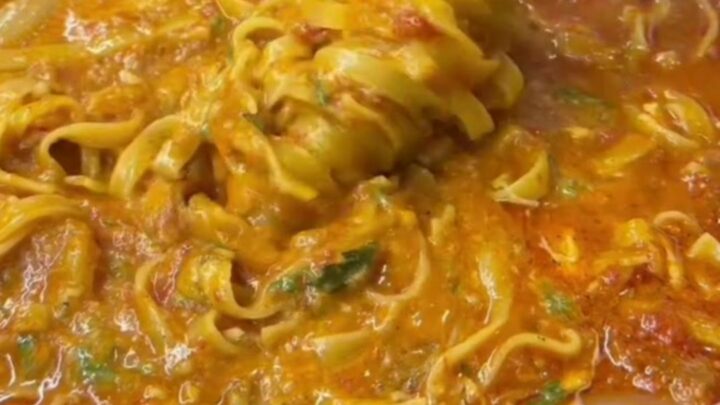
- Toss Pasta with VegetablesReturn the skillet to medium heat. Add the cooked tagliatelle and a splash of pasta water. Using tongs, toss the pasta through the vegetable puree, allowing the ribbons to absorb the glossy glaze. Add more pasta water as needed to loosen the sauce.Look for The pasta should be coated in a shiny, clinging sauce, with no dry spots.Tip Toss continuously to emulsify the sauce and pasta water into a silky coating.
The pasta should be al dente, with a slight resistance when bitten. As you toss it with the vegetable puree, you'll see the sauce cling to the ribbons, creating a glossy, even coating. The pasta water will help loosen the sauce, making it silky rather than sticky. The skillet should be sizzling gently, and the colors should be vibrant—golden pasta, red tomato, and green herb flecks. The aroma is deeply savory and sweet.
Finish and Serve
- Finish and ServeRemove the skillet from the heat. Sprinkle with chopped fresh parsley and grated Parmesan cheese. Toss once more to combine, then twirl the pasta onto plates. Serve immediately, passing extra cheese at the table.Look for The pasta should be glossy, with herbs and cheese clinging to every ribbon.Tip For the best texture, serve right away while the pasta is still steaming.
Once the parsley and Parmesan are added, the dish is ready. The pasta should be steaming, with the cheese melted into the sauce and the herbs adding fresh green notes. Twirl the pasta onto plates, ensuring each serving has a good balance of vegetables and sauce. The final dish should be glossy, aromatic, and inviting, with the cheese and parsley providing a final burst of flavor and color.
Common mistakes
One common mistake is using too high heat, which can burn the vegetables before they soften. Keep the heat medium-low and cover the skillet to trap steam. Another pitfall is overcooking the pasta, making it mushy and unable to hold the sauce.
Always cook to al dente and finish it in the skillet. Skipping the pasta water is also a misstep—it's essential for creating a silky sauce. Finally, don't skip peeling the tomatoes; the skins can be tough and detract from the dish's texture.
How to tell it’s done
The vegetables are done when they are tender and their skins have blistered, usually after 15 minutes of covered simmering. The tomato skins should peel away easily with tweezers. The pasta is cooked al dente when it is tender but still has a slight bite in the center.
When tossed with the sauce, the pasta should be glossy and well-coated, with the sauce clinging to each ribbon. There is no protein in this recipe, so no internal temperature check is needed.
Up next · Part 3 of 3
4 variations · storage & make-ahead · 5 answers · printable card
Tips, FAQ & printable recipe (Part 3)← Back to the ingredients (Part 1)