Dinner · Part 3 of 3: Tips & recipe card
Whole Vegetable Pasta with Glossy Tagliatelle Tips, FAQ & printable recipe
- Prep
- Cook
- Total
- Serves
- 4
Tips for success
For the best flavor, use high-quality olive oil—it's a key component of the sauce. The oil helps carry the vegetable flavors and contributes to the glossy finish.
Don't skimp on salt; it's essential for drawing out moisture and seasoning the vegetables. Taste the sauce before adding the pasta and adjust seasoning if needed.
When tossing the pasta, use tongs to gently lift and turn the ribbons, ensuring they're evenly coated. If the sauce seems too thick, add a splash of pasta water to loosen it.
The residual heat will help the sauce meld with the pasta. For an extra touch, finish with a drizzle of raw olive oil and a few whole parsley leaves.
Variations
- Spicy Arrabbiata: Add a pinch of red pepper flakes with the salt when simmering the vegetables. The heat will infuse the oil and give the sauce a gentle kick. Finish with extra parsley to balance the spice.
- Herb Garden: Replace the parsley with a mix of fresh basil, oregano, and thyme. Add the herbs just before serving to preserve their bright flavor. This variation pairs well with a sprinkle of lemon zest.
- Creamy Twist: Stir in 1/4 cup of heavy cream or mascarpone after tossing the pasta. The cream adds richness and makes the sauce even more luxurious. Reduce the pasta water slightly to maintain the right consistency.
- Summer Squash: Use a mix of yellow squash and zucchini instead of bell peppers. The squash will soften and meld into the sauce, adding a delicate sweetness. This is perfect for peak summer produce.
Storage and make-ahead
- Fridge
- Store leftovers in an airtight container in the refrigerator for up to 3 days. Reheat gently with a splash of water.
- Freezer
- The vegetable sauce can be frozen for up to 2 months. Thaw overnight in the refrigerator and reheat before tossing with fresh pasta.
- Reheat
- Reheat in a skillet over medium heat with a splash of water or broth, tossing until hot. Avoid microwaving to keep the pasta texture intact.
Store leftover pasta in an airtight container in the refrigerator for up to 3 days. The sauce will thicken as it cools; when reheating, add a splash of water or broth to loosen it. Reheat gently in a skillet over medium heat, tossing frequently, until heated through. Avoid microwaving, as it can make the pasta mushy.
The vegetable base can be made up to 2 days ahead. Simmer the vegetables, peel the tomatoes, and let the mixture cool completely. Store it in an airtight container in the refrigerator.
When ready to serve, reheat the vegetable base in the skillet, cook the pasta, and toss everything together. This makes weeknight cooking even faster.
Serving ideas
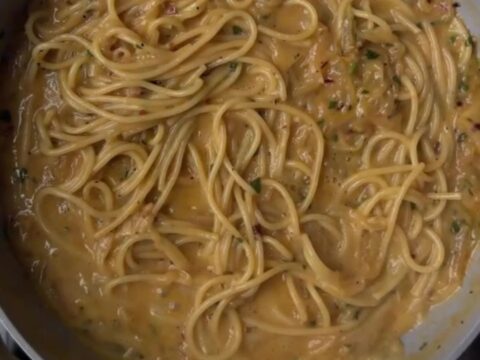
Serve the pasta hot, twirled into neat nests on warm plates. Sprinkle with extra Parmesan and a few fresh parsley leaves for a burst of color. A side of crusty bread is perfect for soaking up any remaining sauce. This dish pairs beautifully with a simple green salad dressed with lemon vinaigrette.
For a more substantial meal, top each serving with a poached egg or a handful of grilled shrimp. The sauce is versatile enough to complement many additions.
If you have leftover sauce, toss it with roasted vegetables or spread it on crostini for a quick appetizer. The pasta is best enjoyed immediately, but leftovers are still delicious cold as a pasta salad.
Frequently asked questions
Can this recipe be made gluten-free?
What if the vegetables don't soften enough?
Can this be made ahead?
Why is it important to peel the tomatoes?
Can other vegetables be used?
Whole Vegetable Pasta with Glossy Tagliatelle
Ingredients
- 2 tbsp olive oil
- 2 cups mixed whole vegetables (such as cherry tomatoes, zucchini, bell peppers)
- 1 tsp kosher salt
- 10 oz dried tagliatelle
- 1/4 cup fresh parsley, chopped
- 1/2 cup freshly grated Parmesan cheese
Instructions
- Heat the olive oil in a deep non-stick skillet over medium heat. Add the whole vegetables and kosher salt, stirring to coat them in the oil. Cover the skillet and let the vegetables simmer gently for 15 minutes, until they soften and their skins begin to blister.
- Remove the skillet from the heat. Using kitchen tweezers, carefully peel off the blistered tomato skins. Discard the skins, leaving the soft tomato flesh and other vegetables in the skillet.
- Bring a large pot of salted water to a boil. Add the tagliatelle and cook according to package instructions until al dente. Reserve about 1 cup of pasta water, then drain the pasta.
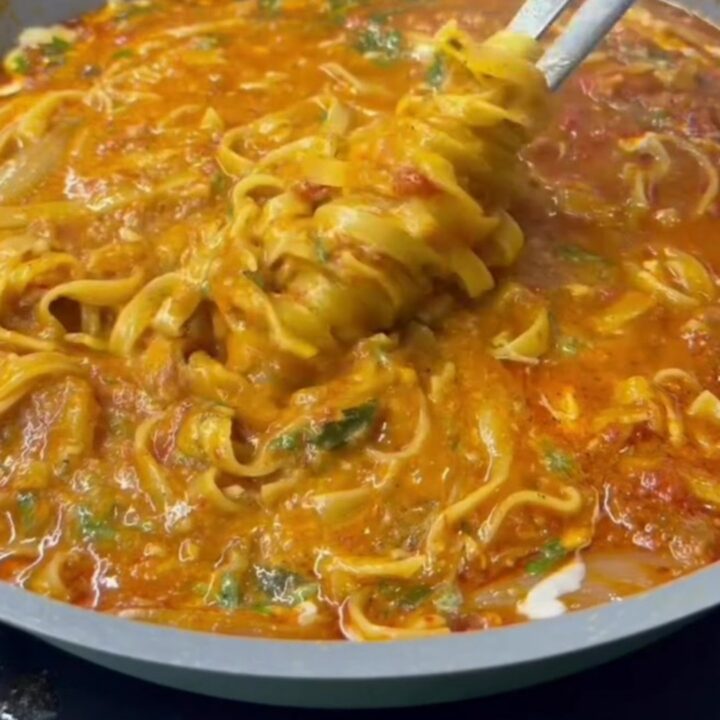
- Return the skillet to medium heat. Add the cooked tagliatelle and a splash of pasta water. Using tongs, toss the pasta through the vegetable puree, allowing the ribbons to absorb the glossy glaze. Add more pasta water as needed to loosen the sauce.
- Remove the skillet from the heat. Sprinkle with chopped fresh parsley and grated Parmesan cheese. Toss once more to combine, then twirl the pasta onto plates. Serve immediately, passing extra cheese at the table.
Estimated nutrition per serving
- Calories
- 420
- Protein
- 14 g
- Carbohydrates
- 58 g
- Fat
- 15 g
Next recipe

Crispy Chicken Alfredo Wraps
See the recipe → →This recipe is based on a short cooking video and is published under the pen name Clara Weller. It was checked before publication, but errors can slip through. Nutrition, when shown, is an estimate. Read more in our editorial policy and on our food safety page.
More recipes to try

10-Minute Lazy Sheet Pan Pizza
Total time: 35 min
Crispy Turkish Crown Pizza Ring with Sesame Crust
Total time: 55 min
Crusty Mini Sourdough Loaves with an Airy Crumb
Total time: 4 h 50 min
Crispy Twisted Spinach Feta Börek
Total time: 1 h 45 min
Crispy Cheesy Chicken Taquitos with Creamy Green Crema
Total time: 35 min