Dinner · Part 3 of 3: Tips & recipe card
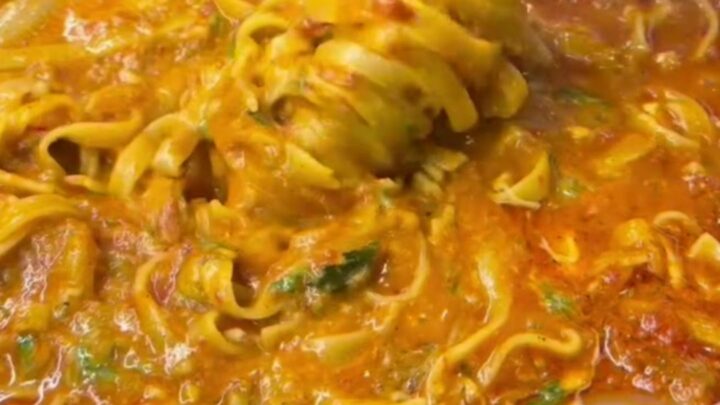
One-Pan Stewed Vegetable Tagliatelle with Melted Cheese Tips, FAQ & printable recipe
- Prep
- Cook
- Total
- Serves
- 4
Tips for success
For the best texture, use tagliatelle nests rather than loose pasta. They hold their shape during cooking and create a beautiful presentation. If you can't find nests, use fettuccine or pappardelle and break them in half if needed.
The steaming time may vary slightly depending on the size of your vegetables, so check for doneness with a fork rather than relying solely on the clock.
To make the cheese extra golden, you can place the skillet under a hot broiler for 1-2 minutes after the cheese melts. Watch it carefully so it doesn't burn.
If you prefer a spicier kick, add a pinch of red pepper flakes when you add the pasta, but the video doesn't include it, so it's optional. The dish is best enjoyed fresh, but leftovers can be refrigerated and reheated gently.
Variations
- Add Protein: For a heartier meal, add cooked chicken, shrimp, or white beans when you add the pasta. Sauté the protein in the skillet before adding the vegetables, then proceed with the recipe. This turns the dish into a complete one-pan dinner.
- Herb Swap: Replace the parsley with fresh basil or oregano for a different flavor profile. Add the herbs just before serving to preserve their brightness. You can also stir in a spoonful of pesto for an extra layer of flavor.
- Spicy Kick: Add a pinch of red pepper flakes or a chopped fresh chili when you add the pasta. This gives the dish a gentle heat that pairs well with the sweet vegetables and creamy cheese. Adjust the amount to your preference.
- Vegan Version: Use a vegan cheese alternative that melts well, such as a plant-based mozzarella or cheddar. Ensure the pasta is egg-free, which most tagliatelle are. Omit the cheese entirely for a lighter version, or use a nutritional yeast sprinkle for a cheesy flavor.
Storage and make-ahead
- Fridge
- Store leftovers in an airtight container in the refrigerator for up to 3 days. Reheat gently with a splash of water.
- Freezer
- Freeze the vegetable sauce (without pasta) for up to 3 months. Thaw overnight in the fridge, then reheat and add fresh pasta.
- Reheat
- Reheat the pasta in a skillet over medium heat with a splash of water or broth, stirring until hot.
Leftovers can be stored in an airtight container in the refrigerator for up to 3 days. The pasta will absorb some of the sauce, so when reheating, add a splash of water or broth to loosen it. Reheat gently in a skillet over medium-low heat, or in the microwave in 30-second intervals, stirring occasionally, until heated through.
You can prepare the vegetable sauce up to 2 days ahead. Steam and peel the vegetables, then store the sauce in the refrigerator.
When ready to serve, reheat the sauce in the skillet, add the pasta and water, and proceed with the recipe. The cheese and parsley should be added fresh just before serving for the best texture and appearance.
Serving ideas
Serve the pasta hot, straight from the skillet, family-style. Each portion should have a generous amount of the melted cheese and a sprinkle of fresh parsley.
The dish pairs well with a simple green salad and crusty bread to soak up any extra sauce. It's a complete meal on its own, but you can also serve it as a side to grilled chicken or fish.
For a more elegant presentation, use tongs to twirl the pasta into nests on individual plates, then spoon extra sauce over the top and finish with a few cheese shavings and parsley. This makes a lovely dinner party dish. The leftovers are also delicious cold, straight from the fridge, though they're best reheated.
Frequently asked questions
Can this recipe be made ahead of time?
What can be used instead of kashar cheese?
Why are the vegetables peeled after steaming?
Can other pasta shapes be used?
Is this dish suitable for a gluten-free diet?
One-Pan Stewed Vegetable Tagliatelle with Melted Cheese
Ingredients
- 3 tbsp extra virgin olive oil
- 1 large beefsteak tomato
- 1 whole green zucchini
- 1 whole eggplant
- 2 whole peeled onions
- 1/2 cup hot water
- 10 oz tagliatelle pasta nests
- 1 cup boiling water
- 1 cup shredded Turkish kashar cheese
- 1/4 cup freshly chopped flat parsley
Instructions
- Heat the olive oil in a wide granite skillet over medium heat. Arrange the whole tomato, zucchini, eggplant, and peeled onions in the skillet in a single layer. Pour in the hot water, cover with the lid, and let steam for 12 minutes, until the vegetables are fork-tender and their skins begin to loosen.
- Using tongs, lift each vegetable from the skillet and peel away the skins, which should come off easily. Return the peeled vegetables to the skillet, discarding the skins. Use a wooden spoon to gently break up the vegetables into a chunky sauce, leaving some texture.
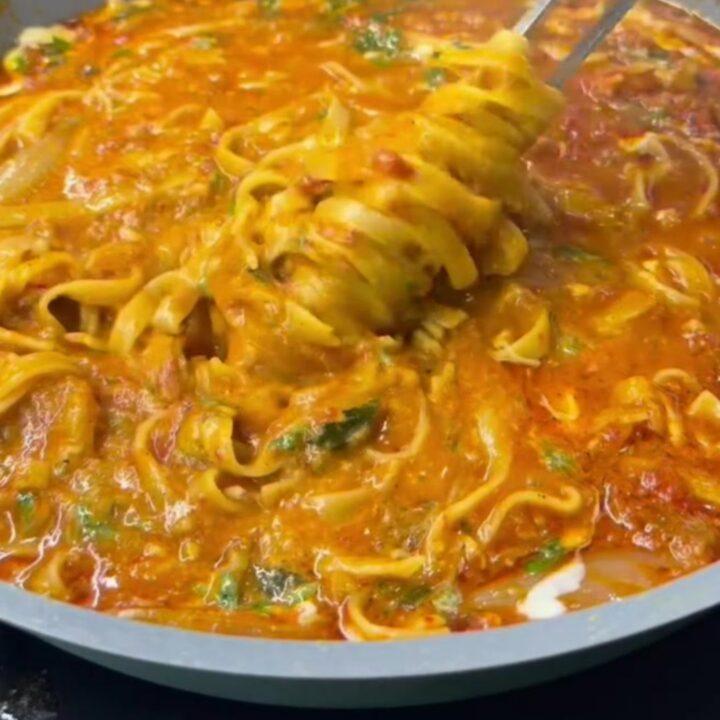
- Nestle the tagliatelle nests into the simmering vegetable sauce. Pour the boiling water over the pasta. Cover and simmer gently, tossing occasionally with tongs, until the pasta is tender and fully coated with the sauce, about 8-10 minutes.
- Continue to toss the pasta with the vegetable sauce until every strand is evenly coated. The sauce should be thick and luscious, clinging to the pasta. If the sauce is too thin, simmer uncovered for a minute or two to reduce.
- Scatter the shredded kashar cheese evenly over the pasta. Sprinkle with the chopped parsley. Cover the skillet with the lid and let the cheese melt for 2 minutes, until gooey and stringy.
- Lift a creamy, stringy forkful of the pasta to check the cheese pull. Serve immediately, scooping the pasta into bowls and making sure each portion gets plenty of the melted cheese and parsley.
Estimated nutrition per serving
- Calories
- 450
- Protein
- 15 g
- Carbohydrates
- 55 g
- Fat
- 20 g
Next recipe

Shattering Crust Artisan Bread Rolls
See the recipe → →This recipe is based on a short cooking video and is published under the pen name Clara Weller. It was checked before publication, but errors can slip through. Nutrition, when shown, is an estimate. Read more in our editorial policy and on our food safety page.
More recipes to try

One-Pot Garden Veggie Fettuccine with Melted Mozzarella
Total time: 30 min
Homemade Manti with Garlic Yogurt and Aleppo Butter
Total time: 1 h 20 min
Crispy Chicken Caesar Wrap with Chili Dressing
Total time: 35 min
Crispy Chicken Shawarma Wrap with Garlicky Layers
Total time: 27 min
Spicy Chili Chicken Penne in Creamy Parmesan Sauce
Total time: 25 min