Dinner · Part 3 of 3: Tips & recipe card
Nashville Hot Chicken Street Tacos with Crunchy Slaw Tips, FAQ & printable recipe
- Prep
- Cook
- Total
- Serves
- 4
Tips for success
Treat the oil temperature as the recipe's spine. 360°F is the number to defend: hot enough to set the crust before it drinks oil, gentle enough to cook four minutes without scorching the dredge.
After each batch, give the oil two or three minutes to climb back before the next round. Clip a deep-fry thermometer to the pot so the reading is always visible, and remember that a full pot of cold chicken drops the temperature fast — small batches are the whole game.
The glaze rewards a light hand in the whisk and a heavy hand on the brush. Bloom the cayenne in oil straight from the fryer, never in cold oil, or the spice stays dusty and raw-tasting.
Whisk until the brown sugar fully dissolves, then brush while the chicken is still hot so the crust drinks it in. For heat control, brush one thin coat on every tender, then add a second coat to only half the batch — that way one platter serves both the heat-seekers and the cautious.
Variations
- Milder heat: Cut the cayenne to 1 tablespoon and add 1 teaspoon sweet paprika to the glaze for color without the full burn. Brush one light coat instead of two, and lean on extra ranch and slaw to keep the tacos balanced for a mixed table.
- Extra hot: Whisk an additional tablespoon of cayenne into the glaze and add a pinch of it to the dredge. Brush twice, letting each coat soak in for a minute, and serve with pickles pressed right against the chicken the way the hottest hot-chicken stands do.
- Pickle-forward: Double the pickles and add a spoonful of their brine to the buttermilk marinade. The extra acidity brightens the glaze's sweetness and makes each bite sharper, closer to the classic plate served with bread and pickles.
- Slaw swap: Replace the purple cabbage with a mix of green cabbage and shredded carrot for a sweeter, more traditional slaw. Keep the dressing identical — mayonnaise, vinegar, salt — so the cool, tangy counterpoint to the cayenne glaze stays exactly where it should be.
Storage and make-ahead
- Fridge
- Refrigerate components separately: glazed tenders 3 days, slaw 2 days, ranch per its date. Reheat uncovered for crispness.
- Freezer
- Freeze unglazed fried tenders on a sheet tray, then bag them for up to 2 months. Reheat from frozen at 400°F and glaze after warming.
- Reheat
- Air fryer or 400°F oven, 5–8 minutes, until the crust crackles again. Glaze after reheating, never before, and reassemble the tacos fresh.
Leftovers keep surprisingly well if the parts stay separate. Cool the glazed tenders for no more than 2 hours, then refrigerate them in a shallow container; they hold for 3 days. Store the slaw, pickles and ranch in their own containers so nothing softens the crust.
Reheat the chicken in a 400°F oven or an air fryer for 5 to 8 minutes until the crust crackles again, then assemble fresh tacos — the microwave will keep the heat but surrender the crunch entirely.
Split the work across a day and assembly takes ten minutes. The slaw can be shredded and dressed up to 4 hours ahead and refrigerated; any longer and it starts to weep. The tenders can marinate up to overnight, which deepens the seasoning.
The dredge can be whisked and held at room temperature, covered, for several hours. The glaze is best whisked fresh because the cayenne settles, but it can be mixed an hour ahead and rewarmed. Fry, glaze, char the tortillas and build the tacos only when people are ready to eat.
Serving ideas
Serve the tacos the way a hot chicken stand would: straight off the board, while the crust still crackles and the glaze still drips. Lay the charred tortillas open-faced on a wooden board, tender already nested inside, slaw piled high, pickles and ranch drizzled over, and let the first bite happen standing up. Extra glaze belongs in a small bowl on the side for anyone chasing more heat, and extra ranch for anyone who needs a breather.
For a spread, build the meal around the contrast. A platter of eight tacos feeds four generously, two each, with crinkle-cut pickles and the last of the slaw alongside. Cold drinks are not optional — something sweet or sharply cold is the traditional counterweight to cayenne. Paper napkins are the honest choice; this is a two-handed, glaze-on-the-wrist kind of dinner, and it tastes best exactly that way.
Frequently asked questions
How hot is this recipe, really?
Can the chicken be fried ahead of time?
Why does the dredge need clumps in it?
Can this be made without a deep-fry thermometer?
What is the best way to keep the tacos from getting soggy?
Nashville Hot Chicken Street Tacos with Crunchy Slaw
Ingredients
- 1 lb chicken tenders
- 1 cup buttermilk
- 1 tsp kosher salt
- 1 1/2 cups all-purpose flour
- 1 tbsp cornstarch
- 1 tsp kosher salt
- 1 tsp coarsely ground black pepper
- 1 tsp garlic powder
- 4 cups neutral frying oil, such as peanut or canola
- 1/3 cup hot fryer oil, ladled from the pot
- 2 tbsp cayenne pepper
- 1 tbsp brown sugar
- 8 small flour tortillas, charred
- 4 cups shredded purple cabbage
- 1/2 cup mayonnaise
- 1 tbsp apple cider vinegar
- 1/4 tsp kosher salt
- Crinkle-cut dill pickles, for serving
- Ranch dressing, for serving
Instructions
- Place the chicken tenders in a bowl and pour the buttermilk over them, tossing so every piece is coated. Stir in the kosher salt. Cover and refrigerate for at least 20 minutes while the slaw and glaze are prepared, or up to overnight for deeper seasoning.
- Shred the purple cabbage as finely as practical and place it in a large bowl. Add the mayonnaise, apple cider vinegar and salt, then toss until every shred is glossy and coated. Taste and adjust salt, then refrigerate so the cabbage softens slightly and the flavors settle.
- In a wide, shallow dish, whisk the all-purpose flour with the cornstarch, salt, black pepper and garlic powder. Drizzle 2 tablespoons of the buttermilk marinade over the flour and rub it in with your fingertips to create small, shaggy clumps — those clumps become the craggly crust.
- Pour the frying oil into a Dutch oven to a depth of about 1 1/2 inches and set it over medium-high heat. Bring it to 360°F, checking with an instant-read or deep-fry thermometer. Adjust the flame to hold that temperature steady before anything goes in.
- Lift one tender from the buttermilk, let the excess drip off, then press it hard into the seasoned flour, turning to coat every side. Squeeze gently so clumps of flour adhere, then shake off the loose excess. Dredge all the tenders before frying begins.
- Lower three or four tenders into the 360°F oil, never crowding the pot. Fry for about 4 minutes, turning once, until deeply golden and craggly. Check the thickest piece with an instant-read thermometer: it must reach 165°F (74°C) at the center. Transfer to the wire rack and repeat with the rest.
- Carefully ladle 1/3 cup of the hot frying oil into a heatproof bowl. Add the cayenne pepper and brown sugar and whisk for about 30 seconds until the sugar dissolves and the glaze turns a brilliant red and glossy. It will smell toasted, bright and sharply spicy.
- While the fried tenders are still hot from the rack, brush them generously on all sides with the cayenne glaze, using every drop. The hot breading drinks the spiced oil in, turning the crust a glistening orange-red. Add a second coat for the boldest heat.
- Set a dry skillet or the tortillas directly over a medium flame and warm each flour tortilla for about 20 seconds per side, until blistered with dark spots and pliable. Stack them under a clean towel so they stay soft and steaming until assembly.
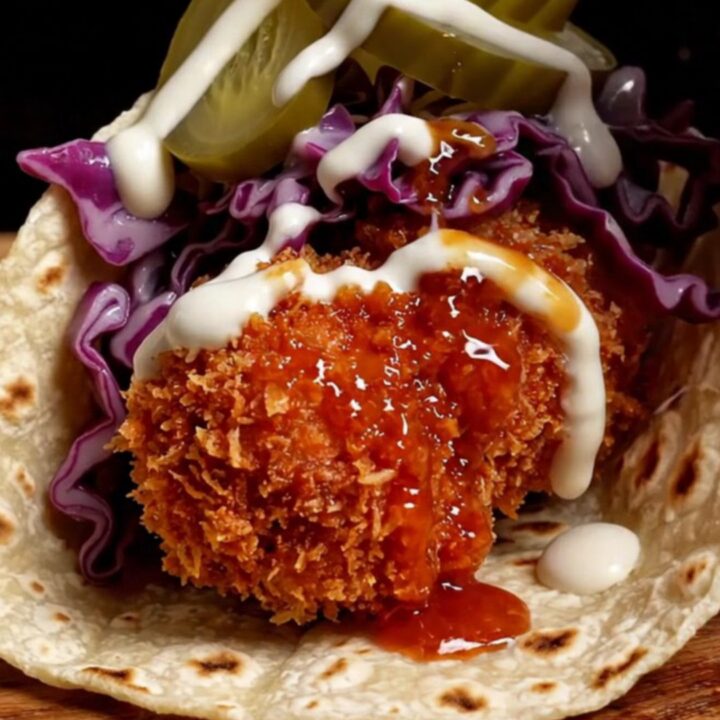
- Nestle a glazed tender into each charred tortilla. Pile on the creamy purple cabbage slaw, tuck in crinkle-cut dill pickles, then drizzle ranch dressing over the top. Serve immediately, while the crust still crackles against the cool slaw.
Estimated nutrition per serving
- Calories
- 620
- Protein
- 30 g
- Carbohydrates
- 45 g
- Fat
- 36 g
- Fiber
- 4 g
- Sugar
- 6 g
- Sodium
- 980 mg
Next recipe
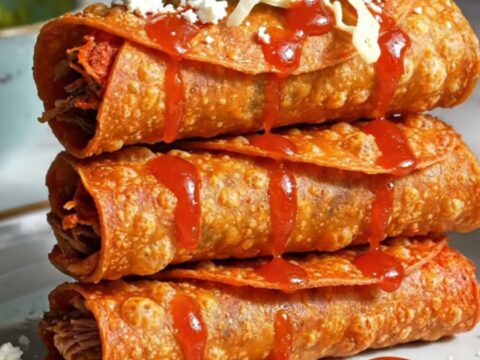
Crispy Birria Taquitos with Avocado Salsa in 30 Minutes
See the recipe → →This recipe is based on a short cooking video and is published under the pen name Clara Weller. It was checked before publication, but errors can slip through. Nutrition, when shown, is an estimate. Read more in our editorial policy and on our food safety page.
More recipes to try
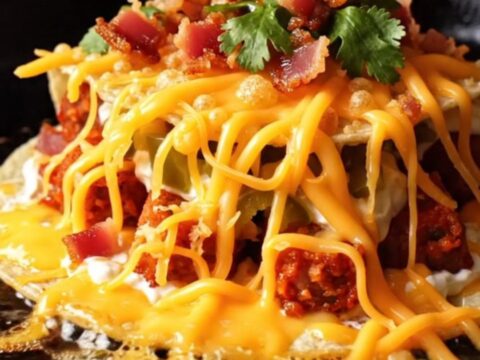
Jalapeño Popper Chorizo Smash Tacos with a Crispy Cheddar Skirt
Total time: 21 min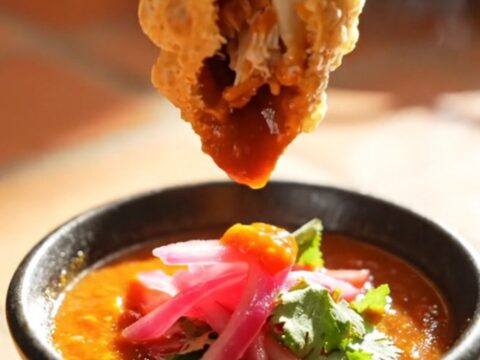
Crispy Chicken Birria Empanadas with Molten Cheese
Total time: 50 min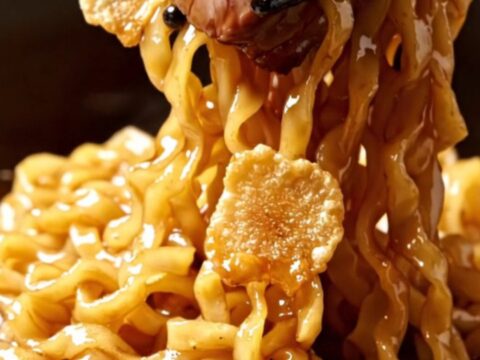
Seared Wagyu Steak Bites over Garlic Butter Soy Ramen in 10 Minutes
Total time: 21 min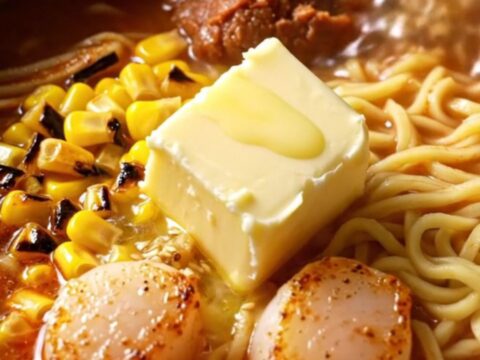
Hokkaido Miso Butter Corn Ramen with Seared Scallops in 45 Minutes
Total time: 45 min
Creamy Butternut Squash Penne with Crispy Pancetta
Total time: 50 min