Dinner · Part 3 of 3: Tips & recipe card
Korean Army Stew Ramyun with Melty Cheddar in One Pot Tips, FAQ & printable recipe
- Prep
- Cook
- Total
- Serves
- 2
Tips for success
Temperature is the only non-negotiable in this forgiving stew: the thickest slice of pork belly must reach 145°F (63°C) before the noodles go in, so keep an instant-read thermometer beside the pot and test more than one piece.
Beyond that, trust the shallow pot. Its wide surface boils the broth harder and cooks the layers more evenly than a tall stockpot ever will, and it looks right on the table, army-stew style.
Control the heat level with the gochujang rather than with extra ingredients. Two tablespoons gives a warm, building spice; a third tablespoon pushes it into pocha-tent territory.
If the stew runs hotter than the table can handle, a little extra melted cheese on top calms it without dulling the tang. And resist the urge to stir: every stir before the noodles breaks tofu and muddles the layers you built. Lift and redistribute only when the noodles demand it.
Variations
- Classic hot dog stew: Swap the smoked sausage for sliced frankfurters and add a handful of baked beans to the layering step. This leans into the dish's postwar origins and gives the broth a subtle sweetness that plays beautifully against the sour kimchi and the sharp gochujang heat.
- Extra-spicy pocha style: Add a third tablespoon of gochujang and a teaspoon of gochugaru to the pot, and finish each bowl with a drizzle of chili oil. Keep the cheddar generous, since the extra fat and dairy temper the burn and make the heat feel rich rather than harsh.
- Heavier on the pork: Double the pork belly to 10 oz and slice it slightly thicker, extending the boil by 3 to 4 minutes until the meat still reads at least 145°F (63°C). The extra rendered fat makes a deeper, richer broth that stands up well to an extra pack of noodles.
- Milder family pot: Cut the gochujang to 1 tablespoon and add a tablespoon of the broth-soaked kimchi brine to keep the tang. Serve the cheddar on the side so each bowl gets as much or as little as it wants, and let young eaters pick around the sausage slices.
Storage and make-ahead
- Fridge
- Keeps 3 days refrigerated in an airtight container; add a splash of broth when reheating.
- Freezer
- Freezes up to 2 months without the noodles and cheese; add fresh ramyun and cheddar when reheating.
- Reheat
- Simmer gently on the stove with a splash of water until the pork is heated through, about 5 minutes.
Cool leftovers no more than 2 hours, then transfer to an airtight container and refrigerate for up to 3 days. The noodles keep drinking broth as they sit, so add a splash of water or broth when reheating. The cheese will set into the noodles; it reheats into the sauce rather than stretching again, which is still delicious.
The stew rewards a little setup the day before. Cube the tofu, slice the sausage, and cut the kimchi up to 24 hours ahead and refrigerate them in separate containers; slice the pork belly the morning of, since thin-cut raw pork is best fresh.
The anchovy-kelp broth can be made 2 days ahead and reheated. With everything prepped, the pot goes from stove to table in under 20 minutes, and the layering takes one unhurried minute.
Serving ideas
Serve the pot at the table, straight from the stove, the way a pocha tent would: deep bowls alongside, chopsticks for the noodles, spoons for the broth.
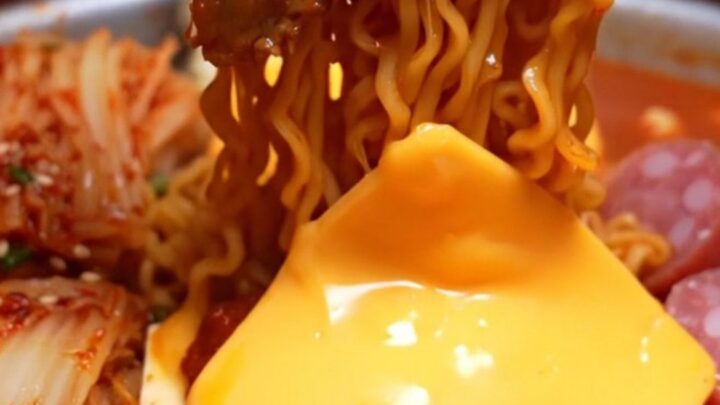
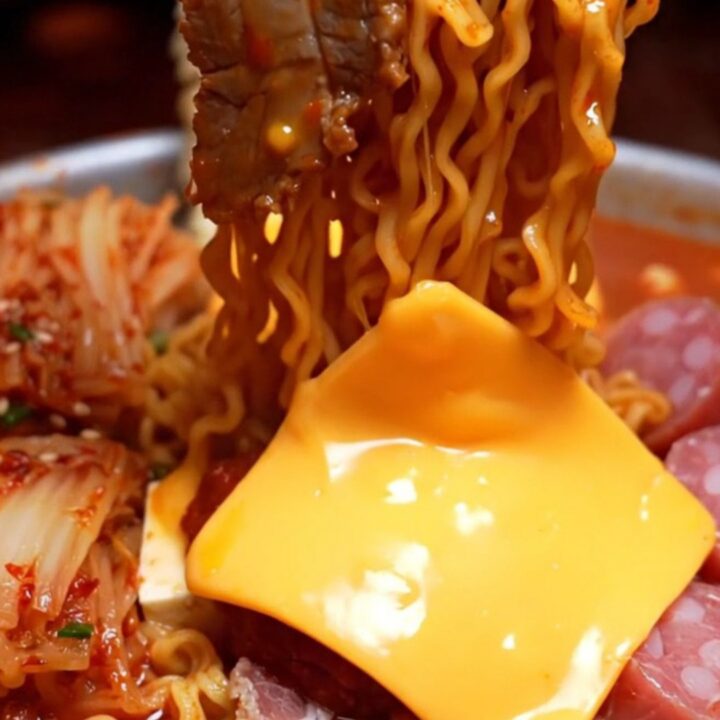
Each bowl should get noodles first, then a ladle of pork, sausage, tofu and kimchi, then broth poured over, finishing with a fold of melted cheese pulled from the top. The contrast of molten cheese against the spicy, vinegary broth is the point, so do not stir it in.
This is a one-pot meal that needs nothing beside it, but a bowl of plain steamed rice and a few cold, crunchy pickles give the table rhythm between spicy bites. For a crowd, double everything into two shallow pots rather than one deep one; the layers cook more evenly, and two bubbling pots on a table is exactly the kind of scene this stew was made for.
Frequently asked questions
Can the seasoning packet from the ramyun be used?
Why is the cheddar added at the very end?
How spicy is this army stew?
Can fresh kimchi be used instead of aged?
What if the broth boils down too much?
Korean Army Stew Ramyun with Melty Cheddar in One Pot
Ingredients
- 7 oz (200 g) aged fermented kimchi, cut into bite-size pieces
- 5 oz (150 g) pork belly, sliced thin
- 3.5 oz (100 g) smoked sausage, sliced into rounds
- 1/2 block firm tofu, cut into cubes
- 2 tbsp gochujang chili paste
- 2 3/4 cups (650 ml) anchovy-kelp broth
- 1 pack ramyun noodles (seasoning packet discarded or saved for another use)
- 2 slices American cheddar
Instructions
- Cut the kimchi into fork-friendly pieces, slice the pork belly thin, cut the smoked sausage into rounds, and cube the tofu. Keeping every piece bite-size means everything cooks in the same short window and every spoonful of the finished stew carries a little of each ingredient.
- Spread the kimchi pieces evenly over the bottom of a shallow pot. This first layer does double duty: it seasons the broth as it softens and keeps the meat from sticking to the pan during the hard boil that comes later.
- Arrange the pork belly slices over the kimchi, then scatter the sausage rounds around them. Laying the meat on top of the acid layer rather than beneath it keeps the slices tender and lets the rendered fat drip down into the broth where it belongs.
- Nestle the tofu cubes into open spaces around the meat, then dot the gochujang over everything in small spoonfuls. Leaving the paste in dollops instead of stirring it in lets it dissolve gradually, so the broth builds heat as it boils instead of hitting all at once.
- Pour the anchovy-kelp broth down the side of the pot so it does not blast the layered arrangement apart. Aim for the liquid to just reach the top of the meat; if the pot looks dry, add a splash of water rather than losing the seasoned balance.
- Set the pot over high heat and bring it to a rolling boil, then keep it at a strong simmer. The pork belly must reach 145°F (63°C) at its center, about 8 to 10 minutes; check the thickest slice with an instant-read thermometer, then let the meat rest at least 3 minutes before continuing.
- Slide the ramyun noodle block straight into the bubbling stew and press it under with chopsticks. Let it boil hard for about 4 minutes, separating the strands as they soften, until the noodles are chewy and fully coated in the red broth.
- Lay the cheddar slices directly on top of the noodles and bubbling broth, cover the pot, and let the residual steam melt the cheese for about a minute. Ladle the stew into deep bowls, making sure each one gets noodles, pork, kimchi and a stretch of cheese.
Estimated nutrition per serving
- Calories
- 790
- Protein
- 35 g
- Carbohydrates
- 60 g
- Fat
- 45 g
- Fiber
- 5 g
- Sodium
- 2100 mg
Next recipe
12-Minute Honey Garlic Shrimp Lo Mein in One Skillet
See the recipe → →This recipe is based on a short cooking video and is published under the pen name Clara Weller. It was checked before publication, but errors can slip through. Nutrition, when shown, is an estimate. Read more in our editorial policy and on our food safety page.
More recipes to try
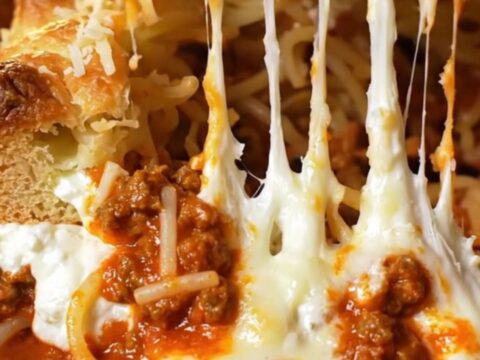
Million-Dollar Baked Spaghetti with a Creamy Hidden Layer
Total time: 1 h 15 min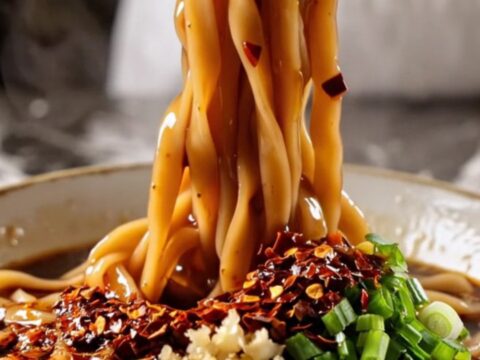
Biang Biang Noodles with Sizzling Chili Oil in 40 Minutes
Total time: 1 h 10 min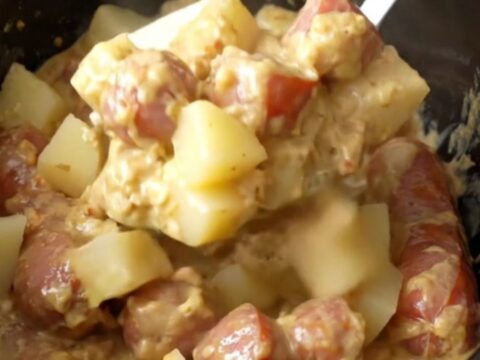
Crockpot Million Dollar Kielbasa and Potatoes (Dump-and-Go)
Total time: 6 h 15 min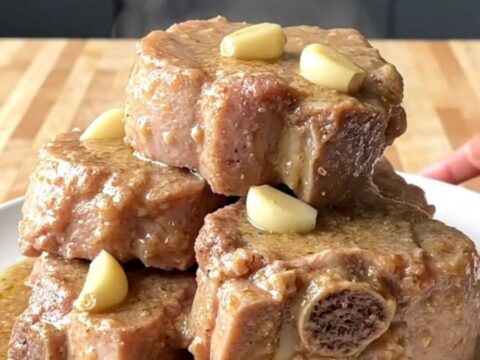
Grandma's Crockpot Pork Roast with Creamy Gravy
Total time: 8 h 15 min
Buttery Cracker Pork Chop Bake — One Pan, Easy Dinner
Total time: 58 min