Dinner · Part 3 of 3: Tips & recipe card
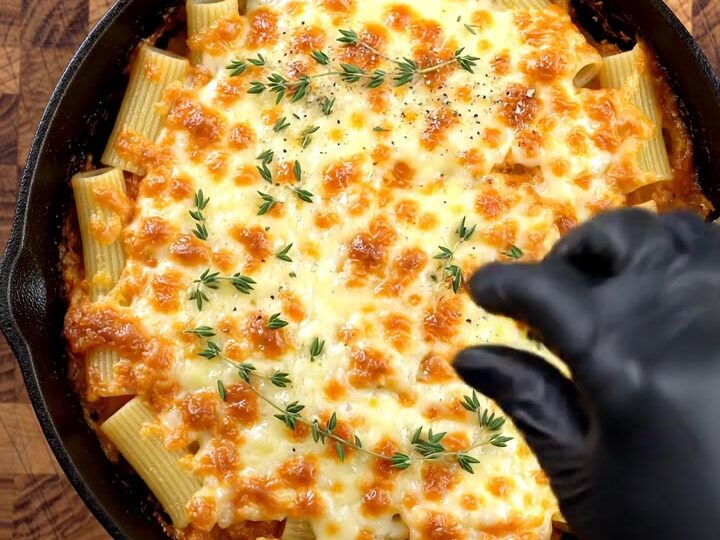
French Onion Rigatoni Skillet: One Pan, Golden Cheese Crust Tips, FAQ & printable recipe
- Prep
- Cook
- Total
- Serves
- 4
Tips for success
Keep the onions moving and the heat at medium. A slow, steady caramelization develops sweetness and color without any bitterness. If the pan begins to dry out, add a splash of water and scrape the bottom to release the browned bits. The onions are ready when they are soft, jammy and deep golden-brown, which usually takes close to an hour from start to finish.
Use freshly grated Gruyère and grate it right before using. Pre-shredded cheese often contains anti-caking agents that keep it from melting smoothly. Pulling a sheet of cheese across a box grater yields a fluffy mound that melts into a silky sauce.
Reserve a small handful of cheese for the top so the crust forms with an even, blistered look, and finish the dish with fresh thyme leaves and black pepper for brightness.
Variations
- Crispy Breadcrumb Top: Toast a quarter cup of panko in a tablespoon of butter until golden, then scatter it over the cheese before baking. The crumbs add a crunchy contrast to the blistered Gruyère and make the top even more textured and golden.
- Sharper Cheese Blend: Replace half the Gruyère with sharp white cheddar for a tangier, more assertive flavor. Grate both cheeses together so they melt evenly and form a golden, bubbling crust that stands up well to the sweet onions.
- Extra Thyme: Add a few more fresh thyme sprigs while the onions cook and sprinkle extra leaves over the finished dish. The herb deepens the aroma and echoes the classic flavors of French onion soup in every bite of the pasta.
- Mushroom Addition: Slice a cup of cremini mushrooms and brown them in the skillet before the onions, then cook them down with the onions. They add an earthy depth that suits the sweet onions and nutty cheese beautifully.
Storage and make-ahead
- Fridge
- Store leftover rigatoni in an airtight container in the refrigerator for up to four days, cooled within two hours of cooking.
- Freezer
- Freezing is not recommended, because the pasta softens and the cheese loses its texture after thawing.
- Reheat
- Reheat single portions in a skillet over medium-low heat with a splash of broth, stirring until hot and saucy throughout.
Leftovers cool for no more than two hours at room temperature before they go into the refrigerator. Transfer the rigatoni to an airtight container and refrigerate it within that window, where it keeps for up to four days. Because the pasta continues to absorb sauce as it sits, the leftovers will look thicker the next day.
Store the onion mixture separately if you plan to keep the dish for several days, which helps the pasta keep a better texture. Keep the pepper and thyme leaves for serving, since they lose their fresh flavor after refrigeration. Label the container with the date so you can keep track of freshness.
You can caramelize the onions up to two days ahead. Cool them completely, cover tightly and refrigerate. The day you serve the dish, gently reheat the onions in the cast-iron skillet over medium-low heat, then add the garlic, broth and freshly cooked rigatoni before topping with the cheese and baking.
Cooking the pasta fresh keeps its texture firm and avoids a soft, overly absorbent result. Grate the Gruyère the same day for the smoothest melt, and store it in a sealed bag in the refrigerator until you need it. This plan splits the active work over two days, so the final assembly and baking take only about twenty minutes on the day of serving.
Serving ideas
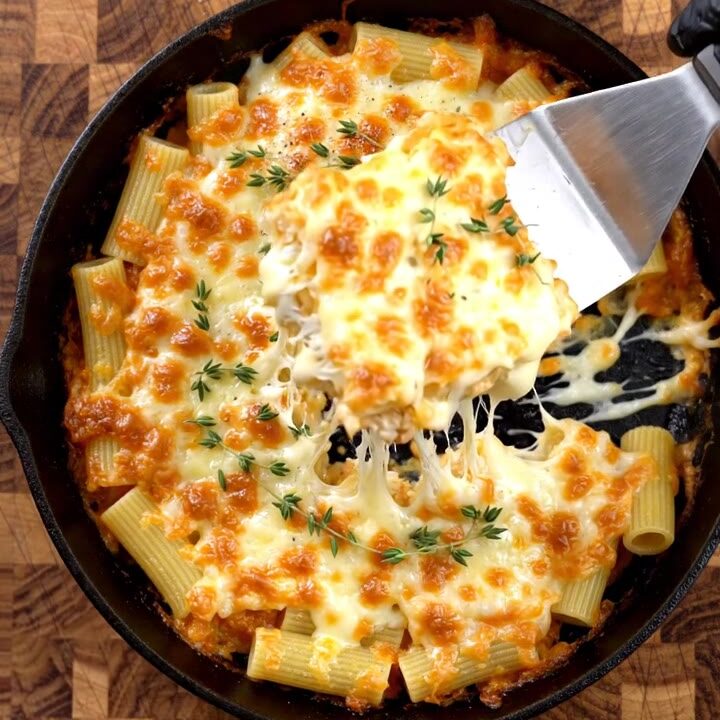
Serve the rigatoni straight from the cast-iron skillet at the table, with a sturdy spoon to lift the pasta and cheese crust. The skillet keeps the dish hot, and the blistered Gruyère on top makes a dramatic first impression.
Let guests break into the crust and scoop the saucy pasta underneath. Set out extra black pepper and fresh thyme leaves so everyone can add their own finishing touch.
This dish works well as a main course with a crisp green salad dressed with a simple vinaigrette, which balances the richness of the cheese and onions. A loaf of crusty bread is also welcome for wiping up the sauce left in the skillet. Serve it with a light white wine or sparkling water. Because the rigatoni is hearty and filling, a modest side is usually enough for a complete dinner.
Frequently asked questions
Can the onions be caramelized ahead of time?
Why does the pasta need to be undercooked slightly?
Can you use a different cheese instead of Gruyère?
How do you keep the cheese crust from burning?
Can this dish be made without alcohol or with a different broth?
French Onion Rigatoni Skillet: One Pan, Golden Cheese Crust
Ingredients
- 3 lb yellow onions, thinly sliced
- 4 tbsp unsalted butter
- 3 cloves garlic, smashed
- 4 sprigs fresh thyme, plus leaves for serving
- 1 tsp kosher salt, plus more to taste
- 8 oz dry rigatoni
- 2 1/2 cups low-sodium beef broth
- 1/2 tsp freshly ground black pepper, plus more for serving
- 6 oz Gruyère cheese, freshly grated
Instructions
- Melt the butter in a 12-inch cast-iron skillet over medium heat. Add the sliced onions, the salt and the thyme sprigs. Cook, stirring every few minutes, until the onions turn deep golden brown and jammy, about 35 to 45 minutes.
- Lower the heat to medium-low. Add the smashed garlic cloves and stir for about 1 minute, until fragrant. Remove the thyme sprigs from the skillet and discard the stems, keeping the leaves in the pan.
- Bring a large pot of salted water to a boil. Cook the rigatoni until just tender, about 2 minutes less than the package time. Drain well and set aside.
- Pour the broth into the skillet with the onions and bring to a simmer. Add the drained rigatoni and black pepper, and stir until the pasta is coated and the liquid is slightly reduced.
- Grate the Gruyère over a box grater, letting the shreds fall onto a board. Scatter about two-thirds of the cheese over the pasta, then fold it in gently. Sprinkle the remaining cheese over the top in an even layer.
- Transfer the skillet to the oven preheated to 400°F (200°C). Bake uncovered for 12 to 15 minutes, until the cheese is bubbling and browned in spots and the pasta is tender and saucy. Let the skillet rest for 5 minutes before serving.
- Scatter the reserved thyme leaves over the top and add a final grind of black pepper. Serve straight from the skillet while the crust is still hot and blistered.
Estimated nutrition per serving
- Calories
- 640
- Protein
- 26 g
- Carbohydrates
- 72 g
- Fat
- 27 g
- Fiber
- 5 g
- Sodium
- 780 mg
Next recipe
Coconut Crusted Mahi Mahi with Mango Salsa in One Skillet
See the recipe → →This recipe is based on a short cooking video and is published under the pen name Clara Weller. It was checked before publication, but errors can slip through. Nutrition, when shown, is an estimate. Read more in our editorial policy and on our food safety page.
More recipes to try
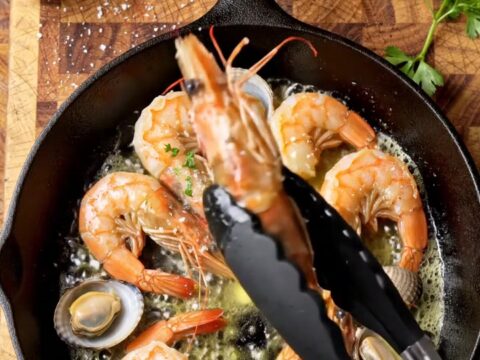
Garlic Butter Clams and Prawns Skillet with White Wine
Total time: 25 min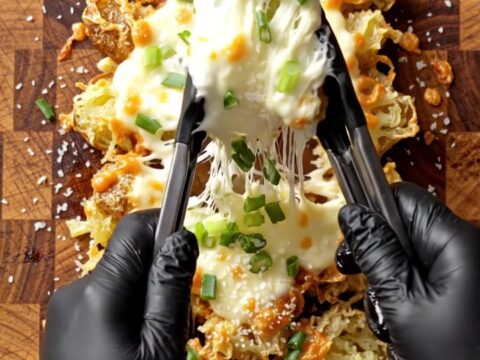
Crispy Smashed Potatoes with Molten Raclette Cheese Skillet
Total time: 35 min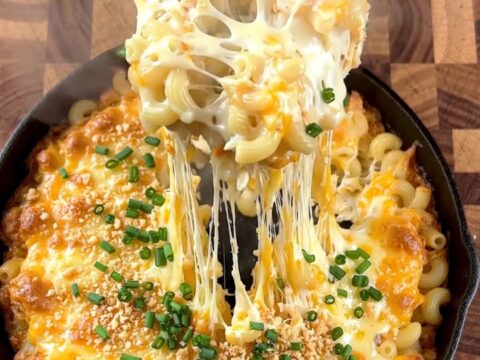
Four Cheese Macaroni with Crispy Panko Cauliflower Skillet
Total time: 1 h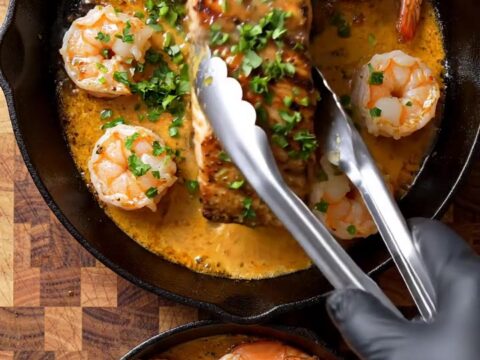
Cajun Blackened Salmon with Creamy Gulf Shrimp Skillet
Total time: 40 min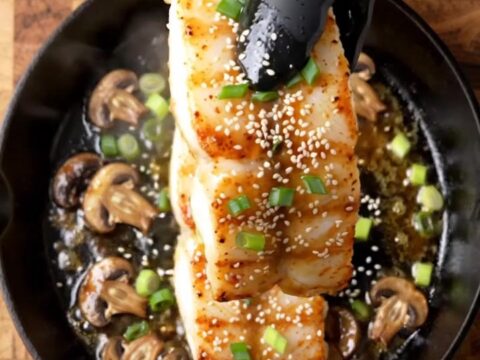
Miso Butter Seared Halibut with Mushrooms and Bok Choy
Total time: 27 min