Dinner · Part 1 of 3: Ingredients
Crispy Smashed Potatoes with Molten Raclette Cheese Skillet
- Prep
- Cook
- Total
- Serves
- 4
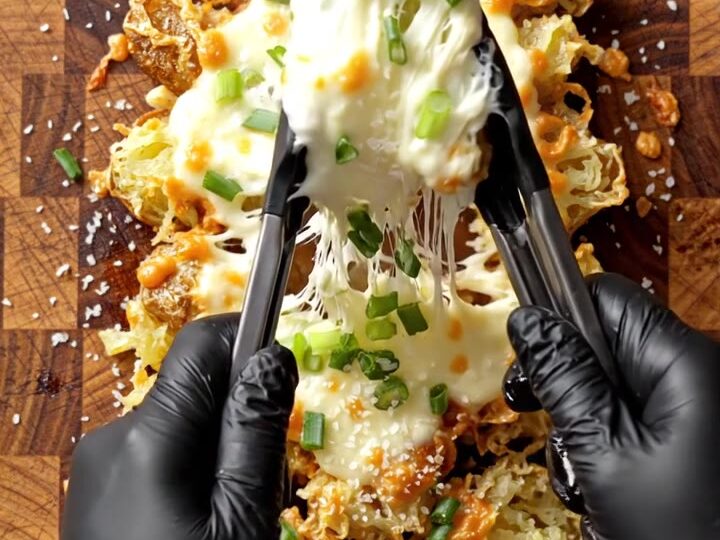
Picture potatoes smashed flat and fried until their edges turn deep brown and lacy, then buried under a snowfall of raclette that melts into bubbling golden pools. This one-skillet dinner looks like a special occasion, yet it comes together in about forty minutes. Rosemary and garlic perfume the butter as it sizzles, and every bite gives you crunch, creamy cheese and fresh green onion in one forkful.
Smashed potatoes are a favorite because their flattened shape creates far more crisp surface than a whole potato ever could. Here they are fried in a mix of melted butter and a little neutral oil in a cast iron skillet over medium-high heat. Grated raclette is then scattered over the top, where it melts into golden pools that run between the potatoes and set against the hot pan.
The result is a warm, savory dinner that works on a weeknight and still feels generous enough to share at the table. Start with potatoes that are already cooked and cooled slightly, so the work at the stove is focused on browning and melting rather than boiling. Everything else comes from a short list of pantry staples and fresh herbs.
Ingredients
- 2 lb cooked baby potatoes, cooled slightly
- 3 tbsp unsalted butter
- 1 tbsp neutral oil, such as canola or vegetable oil
- 6 oz raclette cheese, coarsely grated on a box grater
- 3 cloves garlic, peeled and smashed
- 2 sprigs fresh rosemary
- flaky sea salt and kosher salt, to taste
- 2 green onions, thinly sliced
- fresh chives, chopped, for serving
- sour cream, a generous dollop for serving
Why this recipe works
The method depends on contact. When you smash a cooked potato flat, you expose more of its surface to the hot fat, and that surface is what turns deeply golden and lacy. Medium-high heat lets the bottoms brown quickly, while the butter adds flavor and helps the crust release from the cast iron.
Pressing the potatoes gently with a spatula extends the contact further and keeps them in a flat, even layer. Leaving them undisturbed for the first few minutes lets the crust form instead of tearing as you move them around the pan.
Raclette is the right cheese for this because it is made to melt. As it warms, its fat softens and spreads into glossy, bubbling pools rather than separating into grease, and its gentle, nutty flavor pairs well with browned butter and garlic. Grating the cheese instead of slicing it creates fine shreds that cover the potatoes evenly, so every piece gets a layer of melted cheese at the same time. The cheese also helps the crust: as it melts and dries against the pan, it adds a second crisp, savory edge to the potatoes.
Notes and substitutions
The skillet is the main piece of equipment. Cast iron holds heat steadily, so the potatoes stay sizzling as the cheese melts, and it develops the deep brown crust that makes this dish. A 12-inch skillet fits the potatoes in one layer. If you only have a nonstick pan, use medium heat and expect a lighter crust.
A box grater is the easiest way to get the fine shreds of raclette, and the same wooden board serves for smashing and for the final transfer. A flat-bottomed glass or a small pot works well as a smasher when you do not have a potato masher on hand.
Raclette is the cheese that gives this dish its character, and it is worth buying a block rather than pre-shredded cheese, which often contains anti-caking agents that slow melting. If raclette is hard to find, Gruyère or a mild Swiss cheese melts in a similar way and keeps the flavor close.
The butter and oil combination is deliberate: butter gives taste and color, while a little neutral oil raises the smoke point so the butter does not burn. Fresh rosemary and garlic are added to the pan for their aroma, and the green onions, chives and sour cream are finishing touches that cut through the richness at the table.
- raclette cheese: Gruyère or Swiss cheese, grated, for a milder melt
- baby potatoes: Yukon Gold potatoes, boiled, cut into thick slices and smashed
- neutral oil: clarified butter or ghee for a higher smoke point
Equipment
- 12-inch cast iron skillet
- box grater
- wooden cutting board
- tongs
- flat-bottomed glass or small pot for smashing
Up next · Part 2 of 3
8 steps · 20 min of cooking · what to look for at each stage
Step-by-step instructions (Part 2)