Dinner · Part 3 of 3: Tips & recipe card
Crispy Garlic Butter Parmesan Chicken Cutlets with Lemon Arugula Salad Tips, FAQ & printable recipe
- Prep
- Cook
- Total
- Serves
- 4
Tips for success
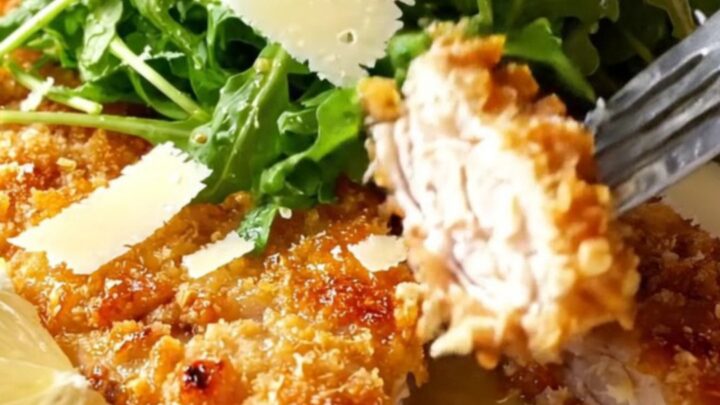
For the crispiest crust, make sure the chicken is dry before dredging. Any moisture can cause the breading to steam and separate.
Press the panko mixture firmly onto the cutlets, and let them rest for a few minutes before frying if time allows. This helps the breading adhere better. Use a thermometer for the oil to maintain a steady temperature around 350°F (175°C).
When basting with garlic butter, do so quickly and use a large spoon to scoop the foaming butter over the cutlets. This adds flavor without making the crust soggy.
The lemon arugula salad should be dressed just before serving to keep the leaves crisp. If you want extra lemon flavor, add a squeeze of fresh lemon juice over the cutlets before serving.
Variations
- Spicy Honey Glaze: After basting with garlic butter, drizzle the cutlets with a mixture of honey and a pinch of cayenne pepper. The sweet heat complements the savory crust and bright salad.
- Herb-Crusted Cutlets: Add 1 tablespoon of finely chopped fresh parsley and 1 teaspoon of dried oregano to the panko-parmesan mixture. This adds an earthy, aromatic note to the crust.
- Lemon Caper Sauce: While the cutlets rest, make a quick pan sauce by adding 1/4 cup chicken broth, 2 tablespoons capers, and an extra squeeze of lemon juice to the garlic butter pan. Simmer briefly and spoon over the cutlets.
- Baked Version: For a lighter option, place the breaded cutlets on a wire rack over a baking sheet, spray with cooking oil, and bake at 425°F (220°C) for 12-15 minutes, flipping halfway, until golden and cooked through.
Storage and make-ahead
- Fridge
- Store leftover cutlets in an airtight container in the refrigerator for up to 3 days. Reheat in a skillet or oven to restore crispness.
- Freezer
- Freeze breaded raw cutlets in a single layer on a baking sheet, then transfer to a freezer bag for up to 2 months. Cook from frozen, adding a few minutes.
- Reheat
- Reheat leftover cutlets in a 375°F (190°C) oven for 5-7 minutes, or in a skillet over medium heat until hot and crisp.
Leftover cutlets can be stored in an airtight container in the refrigerator for up to 3 days. Place a paper towel in the container to absorb excess moisture. The salad is best eaten fresh; if storing, keep the dressing separate and toss just before serving.
The breaded cutlets can be prepared up to 24 hours in advance and kept in the refrigerator. Place them on a baking sheet lined with parchment paper and cover loosely with plastic wrap. When ready to cook, fry directly from the fridge, adding a minute or two to the cooking time.
Serving ideas
Serve the cutlets immediately after cooking to enjoy the crispest crust. The lemon arugula salad should be piled on top just before serving so it stays fresh and vibrant.
Extra lemon wedges on the side allow each person to add more brightness. This dish pairs well with a simple side of roasted potatoes or a crusty baguette.
For a complete meal, consider serving the cutlets with a side of pasta tossed in olive oil and herbs, or a light tomato salad.
The garlic butter from the pan can be spooned over the cutlets or used to dress the salad. The leftovers can be sliced and used in sandwiches or wraps for lunch the next day.
Frequently asked questions
Can this recipe be made with chicken thighs instead of breasts?
Why does the breading fall off during frying?
Can the cutlets be baked instead of fried?
What can be used instead of panko breadcrumbs?
How should leftovers be reheated to keep them crispy?
Crispy Garlic Butter Parmesan Chicken Cutlets with Lemon Arugula Salad
Ingredients
- 2 large chicken breasts, butterflied and pounded thin
- 60 g all-purpose flour
- 2 large eggs, beaten
- 100 g panko breadcrumbs
- 50 g freshly grated Parmigiano-Reggiano
- 2 tbsp butter
- 2 cloves garlic, minced
- 2 cups baby arugula
- 1 tbsp olive oil
- 1 tbsp lemon juice
- lemon wedges, for serving
Instructions
- Place each butterflied chicken breast between two sheets of plastic wrap and pound to an even 1/4-inch thickness. Set up a breading station: one dish with flour, one with beaten eggs, and a third with panko mixed with the grated Parmigiano-Reggiano. Working with one cutlet at a time, dredge in flour, shaking off excess, then dip in egg, letting any excess drip off, and finally press firmly into the panko-parmesan mixture until evenly coated. Transfer to a plate.
- Place a large skillet over medium-high heat and add enough olive oil to coat the bottom generously. Heat until the oil shimmers but does not smoke. If using a nonstick skillet, reduce heat to medium. The oil should sizzle immediately when a breadcrumb is dropped in.
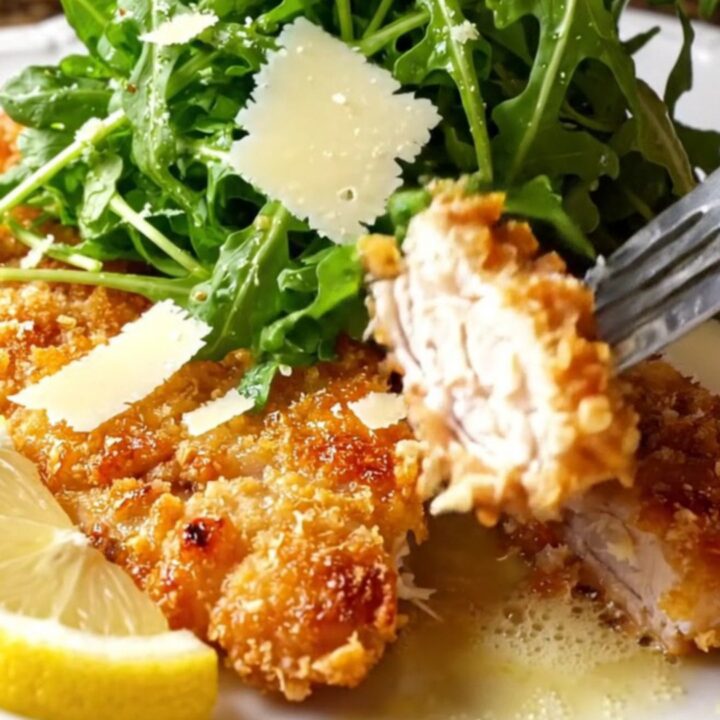
- Carefully lay the breaded cutlets in the hot oil in a single layer, without crowding. Cook for 3 minutes per side, until the crust is deep golden amber and crackling crisp. Use tongs to flip gently. The internal temperature of the chicken should reach 165°F (74°C). Transfer to a plate and repeat with remaining cutlets if necessary.
- In the last minute of cooking, add the butter and minced garlic to the skillet. As the butter melts and foams, tilt the pan and spoon the garlic butter over the cutlets repeatedly, basting each one. Continue until the garlic is fragrant and the butter is lightly browned but not burnt.
- In a medium bowl, combine the baby arugula, olive oil, and lemon juice. Toss gently with your hands until the leaves are lightly coated. Season with a pinch of salt if desired. Set aside.
- Place the garlic butter-basted cutlets on a platter. Pile the lemon arugula salad on top of the cutlets. Shave extra Parmigiano-Reggiano over the salad and cutlets. Serve immediately with lemon wedges on the side.
Estimated nutrition per serving
- Calories
- 480
- Protein
- 38 g
- Carbohydrates
- 24 g
- Fat
- 26 g
Next recipe
Turkish Kuru Fasulye with Tender Veal and Buttered Rice Pilaf
See the recipe → →This recipe is based on a short cooking video and is published under the pen name Clara Weller. It was checked before publication, but errors can slip through. Nutrition, when shown, is an estimate. Read more in our editorial policy and on our food safety page.
More recipes to try
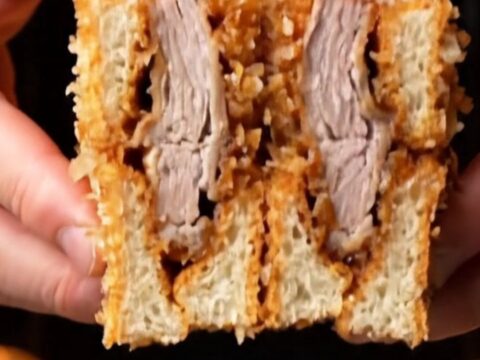
Crispy Japanese Pork Katsu Sando on Fluffy Milk Bread
Total time: 33 min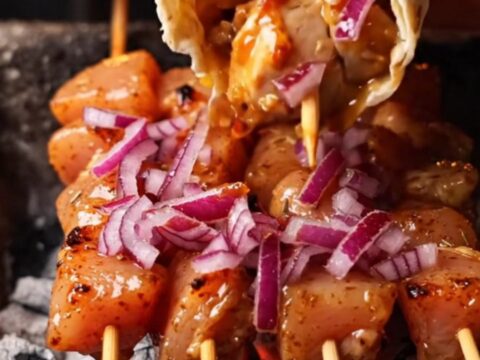
Tiny Tender Chicken Skewers with Sumac Flatbread
Total time: 2 h 25 min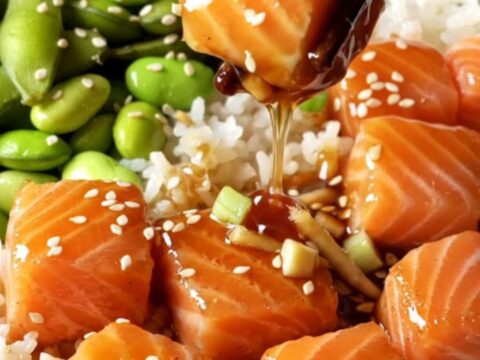
Sticky Teriyaki Salmon Bites with Rice and Edamame
Total time: 22 min
Crispy Air Fryer Coconut Chicken Tenders with Sweet Chili Dip
Total time: 25 min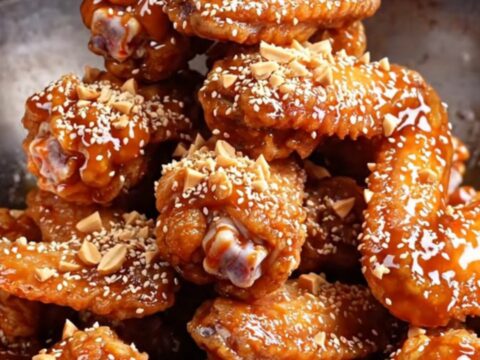
Crispy Baked Gochujang Glazed Chicken Wings
Total time: 1 h