Breakfast · Part 3 of 3: Tips & recipe card
Crispy Turkish Tokat Katmeri: 50 Flaky Layers Tips, FAQ & printable recipe
- Prep
- Cook
- Total
- Serves
- 8
Tips for success
For the flakiest layers, roll the dough as thin as possible without tearing. The thinner the dough, the more layers you'll achieve.
Use a light touch when rolling the spiral to avoid deflating the layers. If the dough sticks to the work surface, dust with a little flour, but not too much—excess flour can make the bread dry.
When cooking, keep the heat at medium-high and adjust as needed. The bread should sizzle as soon as it hits the pan, but not burn.
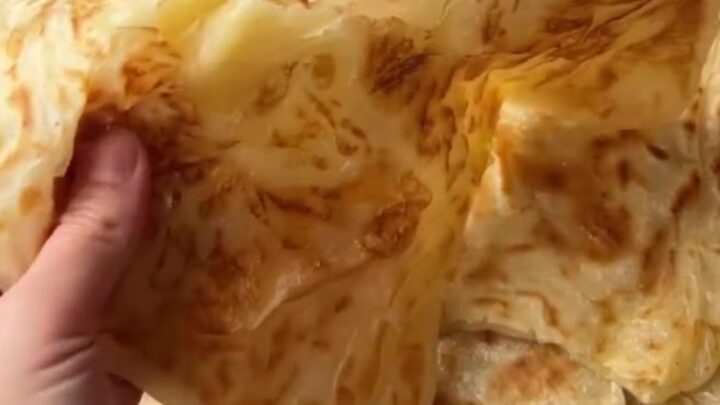
Brushing butter on both sides as they cook adds flavor and helps achieve that golden, crispy exterior. Don't skip the final crush—it's the best way to show off the layers and ensures every bite is perfectly crisp.
Variations
- Herb Butter: Add 1 tablespoon of finely chopped fresh herbs, such as parsley, dill, or oregano, to the melted butter before brushing. This adds a fragrant, savory note that complements the flaky layers beautifully.
- Garlic Butter: Mix 1 minced garlic clove into the melted butter and let it sit for 10 minutes before brushing. The garlic infuses the butter and gives the katmer a subtle, aromatic kick.
- Sweet Katmer: For a dessert version, brush the dough with melted butter and sprinkle with a little sugar and ground cinnamon before rolling. Cook as directed, then dust with confectioners' sugar before serving.
- Whole Wheat: Replace half of the all-purpose flour with whole wheat flour for a nuttier flavor and more rustic texture. You may need to add a little extra water, as whole wheat absorbs more liquid.
Storage and make-ahead
- Fridge
- Store leftover katmer in an airtight container in the refrigerator for up to 3 days. Reheat in a dry skillet or oven to restore crispness.
- Freezer
- Freeze cooked katmer in a zip-top bag for up to 1 month. Reheat directly from frozen in a 350°F (175°C) oven for 8-10 minutes.
- Reheat
- Reheat in a dry skillet over medium heat for 1-2 minutes per side, or in a 350°F (175°C) oven for 5-8 minutes, until hot and crisp.
Store leftover katmer in an airtight container at room temperature for up to 2 days. To reheat, place in a dry skillet over medium heat for 1-2 minutes per side, or in a 350°F (175°C) oven for 5 minutes.
The layers will crisp up again, though they won't be as shattering as fresh. Avoid microwaving, as it makes the bread soggy.
The dough can be prepared up to 1 day in advance. After kneading, wrap the dough balls tightly in plastic wrap and refrigerate. Let them come to room temperature for 30 minutes before rolling.
Cooked katmer can also be made a few hours ahead and reheated in a skillet or oven just before serving. For longer storage, freeze the cooked breads in a zip-top bag for up to 1 month.
Serving ideas
Tokat Katmeri is traditionally served warm, straight from the skillet. Crush it with your hands to break the layers apart, then pile it on a plate. It pairs beautifully with Turkish cheese, such as beyaz peynir or feta, and a glass of hot tea. The salty cheese and bitter tea balance the rich, buttery bread perfectly.
For a more substantial meal, serve the katmer alongside eggs, olives, tomatoes, and cucumbers for a Turkish breakfast spread. It also makes a great side for soups and stews, or simply as a snack on its own. However you serve it, the key is to enjoy it warm and crisp, when the layers are at their most dramatic.
Frequently asked questions
Why does your katmer not have many layers?
Can this recipe be made gluten-free?
What is the best way to reheat leftover katmer?
Can the dough be prepared in advance?
What should be served with Tokat Katmeri?
Crispy Turkish Tokat Katmeri: 50 Flaky Layers

Ingredients
- 4 cups all-purpose flour
- 1 1/2 cups water
- 1 tsp salt
- 1/2 cup unsalted butter, melted (for brushing)
Instructions
- In a large bowl, combine the flour and salt. Gradually add the water, mixing with your hands until a shaggy dough forms. Turn it out onto a lightly floured surface and knead for about 8 minutes, until smooth and pliable. Divide the dough into 8 equal balls, cover with a damp towel, and let rest for 15 minutes.
- Cover the dough balls with a damp kitchen towel and let them rest at room temperature for 15 minutes. This relaxes the gluten, making the dough easier to roll thin.
- On a lightly floured surface, roll one dough ball into a very thin circle, about 12 inches in diameter. It should be almost translucent. Brush the surface generously with melted butter.
- Starting from one edge, roll the buttered dough into a tight log. Then coil the log into a spiral, tucking the end underneath. Flatten slightly with your palm, then roll it out again into a disk about 8 inches wide and 1/4 inch thick.
- Heat a heavy skillet over medium-high heat. Place the rolled katmer in the dry skillet and cook for 1-2 minutes, until bubbles form on the surface. Flip and cook the other side until golden brown spots appear. Brush both sides with melted butter as they cook, flipping again if needed, until deep golden and crisp.
- Transfer the cooked katmer to a plate and immediately crush it with your hands to reveal the shattering layers. Serve warm with Turkish cheese and hot tea, if desired.
Estimated nutrition per serving
- Calories
- 320
- Protein
- 6 g
- Carbohydrates
- 40 g
- Fat
- 15 g
- Fiber
- 2 g
- Sugar
- 0 g
Next recipe

White Chocolate Strawberry Bakery Muffins with Crisp Sugar Tops
See the recipe → →This recipe is based on a short cooking video and is published under the pen name Clara Weller. It was checked before publication, but errors can slip through. Nutrition, when shown, is an estimate. Read more in our editorial policy and on our food safety page.
More recipes to try
Blistered Sourdough Boule with Crackling Crust
Total time: 3 h 5 min
Crispy Garlic Parmesan Hashbrowns
Total time: 38 min
Quick Homemade Croissants in Under an Hour
Total time: 1 h
Turkish Braided Feta Buns: Soft and Pillowy
Total time: 1 h 45 min
Two-Tone Chocolate Croissant Buns: Quick Pull-Apart Pastry
Total time: 1 h 47 min