Breakfast · Part 1 of 3: Ingredients
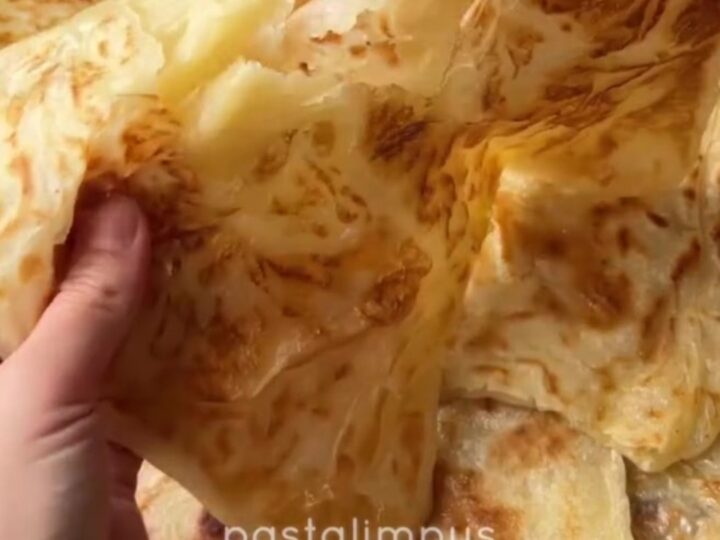
Crispy Turkish Tokat Katmeri: 50 Flaky Layers
- Prep
- Cook
- Total
- Serves
- 8
This traditional Turkish Tokat Katmeri is a flatbread like no other—dozens of paper-thin, butter-laminated layers that shatter with every bite. Made with just flour, water, salt, and butter, it transforms simple pantry staples into a spectacular, crispy bread that's perfect for breakfast, tea time, or any meal.
The secret lies in the rolling and folding technique, which creates those iconic fifty layers. Whether you're new to Turkish cooking or a seasoned pro, this recipe delivers a golden, flaky bread that will impress everyone at the table.
Tokat Katmeri is a beloved Turkish flatbread from the Tokat region, known for its incredible flakiness and rich buttery flavor. Unlike other flatbreads, it's rolled paper-thin, brushed with butter, coiled into a spiral, and then rolled out again before hitting a hot skillet.
The result is a golden, crisp bread that shatters into dozens of delicate layers. This recipe stays true to the traditional method, using only four simple ingredients. Serve it warm with Turkish cheese and hot tea for an authentic experience, or enjoy it on its own—it's that good.
Ingredients
- 4 cups all-purpose flour
- 1 1/2 cups water
- 1 tsp salt
- 1/2 cup unsalted butter, melted (for brushing)
Why this recipe works
The magic of Tokat Katmeri lies in its lamination technique. By rolling the dough paper-thin, brushing it with butter, and then coiling it into a spiral, you create dozens of separate layers. When the bread hits the hot skillet, the butter melts and steams, puffing each layer apart. This is what gives the katmer its signature shattering crispness.
Using a simple dough of flour, water, and salt keeps the focus on the texture. The dough is kneaded until smooth and pliable, then rested to relax the gluten.
This makes it easy to roll thin without tearing, ensuring that every layer is even and delicate. The result is a bread that's crispy on the outside, tender on the inside, and utterly irresistible.
Notes and substitutions
For the best results, use all-purpose flour, which has the right balance of gluten for this bread. If you prefer a chewier texture, bread flour works well too. The dough should be smooth and elastic, not sticky—adjust the water or flour as needed. Melted unsalted butter is ideal for brushing, but salted butter can be used if you reduce the salt in the dough.
A heavy skillet or griddle is essential for even browning and a crisp crust. Cast iron works beautifully. If you don't have a rolling pin, a clean wine bottle can be used as a substitute.
Keep the dough balls covered while you work to prevent them from drying out. The katmer is best enjoyed immediately after cooking, but leftovers can be reheated in a dry skillet.
- unsalted butter: salted butter (reduce added salt to 1/2 tsp) or ghee for a richer flavor
- all-purpose flour: bread flour for a chewier texture, or a 50/50 blend of all-purpose and whole wheat for a nuttier taste
- water: milk for a softer crumb, though the layers will be less crisp
Equipment
- Large mixing bowl
- Rolling pin
- Heavy skillet or griddle
- Pastry brush
- Clean kitchen towel
Up next · Part 2 of 3
6 steps · 20 min of cooking · what to look for at each stage
Step-by-step instructions (Part 2)