Dinner · Part 3 of 3: Tips & recipe card
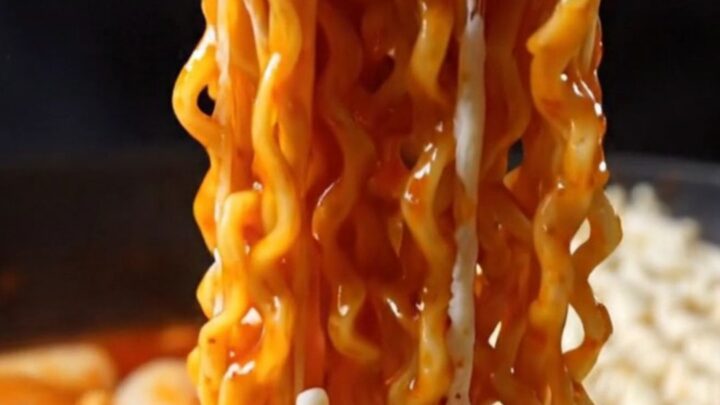
Cheesy Korean Rabokki: Spicy Ramen and Rice Cakes Tips, FAQ & printable recipe
- Prep
- Cook
- Total
- Serves
- 2
Tips for success
For the best texture, use Korean instant ramen noodles, which are thicker and chewier than standard ramen. The seasoning packet is not needed, so save it for another recipe.
If you can't find rice cakes, substitute with thick udon noodles for a different but delicious result. The fish cakes are optional but add a traditional savory depth—look for sheet-style fish cakes in Asian markets.
To make the dish less spicy, reduce the gochujang to 1 1/2 tablespoons and add a teaspoon of gochugaru for color. If you prefer a richer sauce, stir in a pat of butter at the end.
The boiled egg can be replaced with a soft-boiled egg for a runny yolk, but be sure to use pasteurized eggs if serving to vulnerable individuals.
Variations
- Extra Spicy: Add 1 teaspoon of gochugaru (Korean red pepper flakes) or a chopped fresh chili to the broth along with the gochujang. Increase the sugar slightly to balance the extra heat.
- Seafood Rabokki: Add 1/2 cup of cleaned shrimp or squid during the last 2 minutes of cooking. The seafood will cook quickly and add a briny sweetness that complements the spicy broth.
- Cheese Overload: Use a mix of mozzarella and cheddar for a sharper, more decadent cheese layer. Add the cheese in two stages: half during the last minute of cooking and half just before serving for a double-melt effect.
- Vegetarian: Omit the fish cakes and use vegetable stock instead of anchovy-kelp stock. Add extra mushrooms or tofu to boost the umami. The rest of the recipe remains the same.
Storage and make-ahead
- Fridge
- Store leftover rabokki in an airtight container in the refrigerator for up to 3 days. Reheat with a splash of water to revive the sauce.
- Freezer
- Freeze rabokki in a freezer-safe container for up to 2 months. Thaw overnight in the refrigerator before reheating.
- Reheat
- Reheat in a skillet over medium heat with a splash of water, stirring until hot and the cheese is melted. Microwave in 30-second bursts if preferred.
Store leftover rabokki in an airtight container in the refrigerator for up to 3 days. The noodles will soften further, but the flavor will remain. Reheat gently on the stovetop with a splash of water to loosen the sauce, or in the microwave in 30-second bursts. The cheese will re-melt and become stretchy again.
The anchovy-kelp stock can be made up to 3 days ahead and stored in the refrigerator. The boiled egg can also be cooked in advance and kept in the refrigerator for up to a week.
The gochujang sauce can be mixed and stored in the fridge for 2 days. When ready to cook, simply bring the stock to a simmer and proceed with the recipe.
Serving ideas
Serve the rabokki directly from the skillet for a casual, street-food-style presentation. Provide chopsticks and spoons for each person. The dish is best eaten hot, with the cheese pulling into long strands. A side of pickled radish or kimchi adds a refreshing crunch and acidity that balances the rich, spicy sauce.
For a complete meal, serve the rabokki with a simple cucumber salad or a bowl of steamed rice on the side. The sauce is also delicious spooned over rice.
If you have leftover sauce, use it to stir-fry vegetables or as a dipping sauce for fried chicken. The possibilities are endless, but this cheesy, spicy skillet is a star on its own.
Frequently asked questions
What is rabokki?
Can this recipe be made less spicy?
What type of rice cakes should be used?
Can the fish cakes be omitted?
How do you prevent the noodles from becoming mushy?
Cheesy Korean Rabokki: Spicy Ramen and Rice Cakes
Ingredients
- 1 2/3 cups anchovy-kelp stock
- 2 1/2 tbsp gochujang
- 1 tbsp sugar
- 7 oz Korean rice cakes
- 2 oz fish cakes, sliced
- 1 brick Korean instant ramen noodles
- 1 large egg, boiled and halved
- 1/2 cup shredded mozzarella cheese
Instructions
- Pour the anchovy-kelp stock into a wide skillet. Add the gochujang and sugar, then whisk until the paste dissolves completely. Bring the broth to a simmer over medium-high heat, stirring occasionally.
- Add the rice cakes and fish cakes to the simmering broth. Stir gently to coat them in the sauce. Continue simmering for 2 to 3 minutes, until the rice cakes start to soften and absorb the broth.
- Nestle the ramen brick into the skillet, pushing it down gently to submerge it in the bubbling sauce. Cook for 3 minutes, turning the noodles once, until they are just tender but still chewy.
- Reduce the heat to medium-low and let the rabokki simmer gently for 1 to 2 minutes, until the sauce reduces and clings to the noodles and rice cakes. The mixture should be thick and glossy, not soupy.
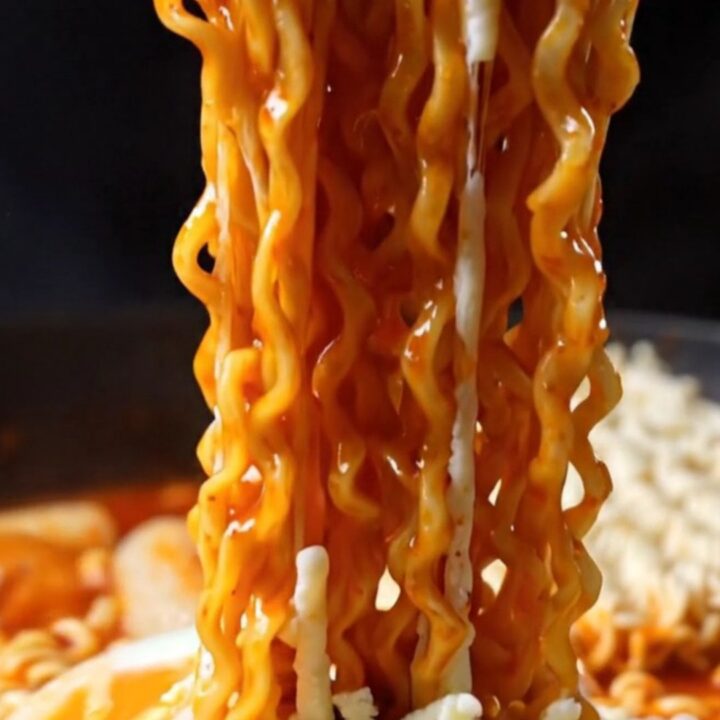
- Sprinkle the shredded mozzarella evenly over the hot rabokki. Place the halved boiled egg on top. Cover the skillet for 30 seconds to let the cheese melt into a bubbling blanket.
- Remove the skillet from the heat. Use tongs to lift a tangle of cheesy noodles and rice cakes onto plates. Serve immediately while the cheese is still stretchy and the sauce is bubbling.
Estimated nutrition per serving
- Calories
- 580
- Protein
- 18 g
- Carbohydrates
- 88 g
- Fat
- 18 g
Next recipe
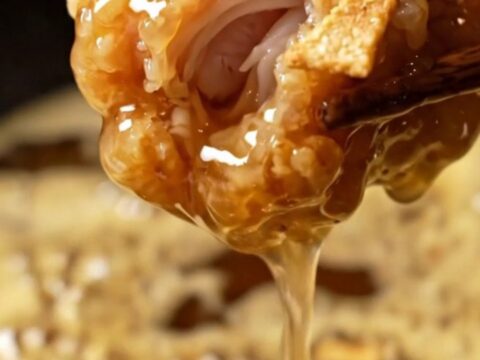
Crispy Honey Butter Garlic Chicken Tenders
See the recipe → →This recipe is based on a short cooking video and is published under the pen name Clara Weller. It was checked before publication, but errors can slip through. Nutrition, when shown, is an estimate. Read more in our editorial policy and on our food safety page.
More recipes to try

Double-Fried Korean Yangnyeom Chicken Wings
Total time: 36 min
Creamy Rose Tteokbokki with Bacon and Mozzarella
Total time: 20 min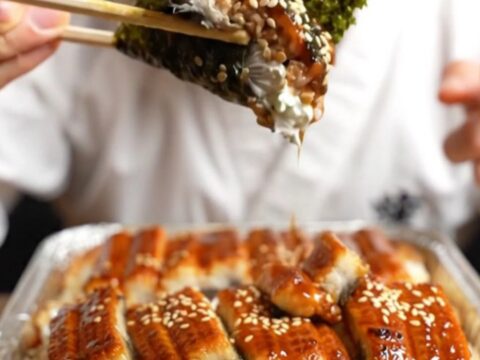
Caramelized Unagi Sushi Bake with Avocado Cream Cheese
Total time: 37 min
Truffle Lobster Sushi Bake for Special Occasions
Total time: 32 min
Teriyaki Chicken Sushi Bake with Crispy Onions
Total time: 22 min