Dinner · Part 3 of 3: Tips & recipe card
Cajun Blackened Salmon with Creamy Gulf Shrimp Skillet in One Pan Tips, FAQ & printable recipe
- Prep
- Cook
- Total
- Serves
- 4
Tips for success
Use the same skillet for the salmon, shrimp and sauce. The browned bits left after searing carry the smoky, spiced flavor that makes the sauce taste like Cajun cooking rather than plain cream. Scrape them up with the wooden spoon when you add the vegetables, and the cream will pick up that color naturally.
Grate the parmesan and cheddar yourself just before cooking. Freshly grated cheese melts smoothly into the cream, while pre-shredded cheese often turns grainy.
Keep the shreds in a bowl and add them to the sauce while it is still over low heat. Taste the finished sauce before adding salt, because Cajun seasoning already contains a good amount of sodium.
Variations
- Lighter Cream Version: Replace the heavy cream with half-and-half and simmer a few minutes longer until the sauce thickens. The result is slightly less rich, with the same golden color and the same blackened salmon and shrimp in the skillet.
- Extra Heat: Add a pinch more cayenne to the Cajun seasoning before searing the salmon. The crust gets a sharper bite, and the spice carries into the cream sauce for a fiery, complete finish on the plate.
- Cheese-Forward Sauce: Increase the parmesan and cheddar to a full cup each, stirring them in gradually over low heat. The sauce becomes thicker and more clearly cheesy, and it clings beautifully to the salmon and shrimp in the pan.
- Garden Herb Finish: Add a little fresh thyme or chives to the parsley garnish. The extra herbs bring a fresh, green aroma that balances the richness of the cream and the smoky, spiced crust of the salmon.
Storage and make-ahead
- Fridge
- Store cooled leftovers in airtight containers in the refrigerator for up to 2 days, keeping the salmon and the shrimp sauce in separate containers.
- Freezer
- Freezing is not recommended, because the cream sauce can separate and the shrimp becomes rubbery when thawed and reheated.
- Reheat
- Warm the sauce and shrimp gently in a skillet over low heat, adding a spoonful of milk or cream to loosen it.
Leftovers should be cooled for no more than 2 hours at room temperature before going into the refrigerator. Store the salmon separately from the shrimp and sauce in airtight containers, so the fish keeps its crust and the shrimp does not overcook.
The sauce will thicken considerably as it chills, which is normal. Label the containers with the date, and use them within two days for the best texture and flavor. Keep the parsley in a separate container so it stays bright green rather than wilting in the sauce.
You can prepare the components earlier in the day to make dinner feel effortless. Dice the peppers and celery, grate the parmesan and cheddar, and store them in separate covered containers in the refrigerator. Season the salmon with Cajun seasoning and keep it chilled on a plate covered with plastic wrap. Measure the heavy cream and keep it cold.
On cooking day, simply sear the fish, sauté the shrimp and vegetables, and build the sauce in about 15 minutes. Avoid assembling the full dish too far in advance, because the salmon crust softens and the shrimp can turn tough when reheated. The best results come from cooking the dish close to the time you plan to serve it.
Serving ideas
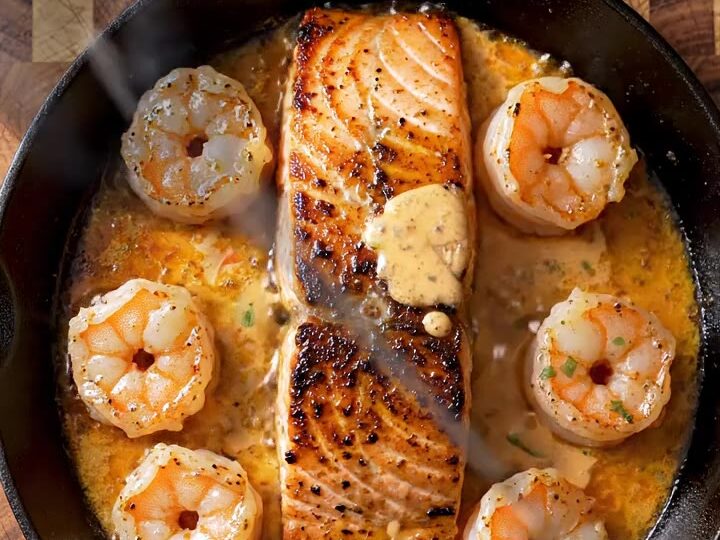
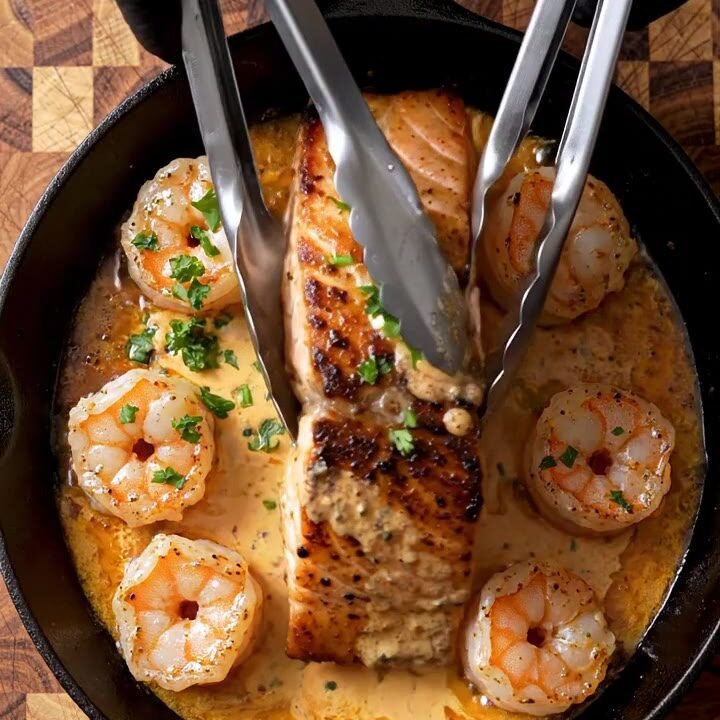
Serve the dish directly from the cast iron skillet at the table, with the blackened salmon fillet in the center and the shrimp and cream sauce spooned around it. The pan keeps the sauce warm and makes a dramatic presentation. Add a final sprinkle of fresh parsley just before bringing it to the table so the color stays vivid and the herbs smell fresh.
Pair the skillet with simple sides that soak up the cream sauce and balance the spice. Steamed white rice, crusty bread for dipping, or a crisp green salad with a sharp vinaigrette all work well.
A cold lemon wedge on the side lets each person brighten the richness with a squeeze of citrus. Serve with plenty of napkins, since the shrimp and sauce are best eaten with a fork and spoon.
Frequently asked questions
Can the salmon be cooked in a nonstick pan?
Why does the cream sauce sometimes look grainy?
How do you know when the shrimp is fully cooked?
Can the salmon be substituted with another fish?
How spicy is this dish, and can it be made milder?
Cajun Blackened Salmon with Creamy Gulf Shrimp Skillet in One Pan
Ingredients
- 4 thick salmon fillets, about 6 oz each, skin removed
- 2 tbsp Cajun seasoning, or more to taste
- 3 tbsp unsalted butter
- 1 lb peeled shrimp
- 1/2 cup finely diced red bell pepper
- 1/2 cup finely diced yellow bell pepper
- 1/2 cup finely diced celery
- 1 cup heavy cream
- 1/2 cup finely grated hard parmesan cheese
- 1/2 cup finely grated cheddar cheese
- fresh parsley, chopped, for serving
Instructions
- Pat the salmon fillets dry with paper towels. Season both sides generously with Cajun seasoning. Keep the fillets refrigerated until the pan is hot, and no longer than 30 minutes out of the fridge before cooking. Finely dice the red and yellow bell peppers and the celery.
- Set a box grater over the cutting board and grate the hard parmesan and the cheddar. Let the shreds fall onto the board so they are ready to add to the sauce without delay. Keep the cheeses cold until they go into the pan.
- Heat the cast iron skillet over medium-high heat and melt the butter until foaming. Add the salmon and sear for about 4 minutes, until a dark, blackened crust forms. Flip carefully and sear the other side for 3 to 4 minutes, until the fish is cooked through.
- Transfer the salmon fillets to a plate and tent them loosely with foil to keep warm. Leave the butter and browned spices in the skillet for the sauce. Do not wipe the pan clean.
- Add the shrimp, diced red and yellow bell peppers and celery to the buttery pan. Cook over medium-high heat, stirring, for 3 to 4 minutes, until the shrimp turn pink and the vegetables soften slightly. Remove the shrimp as soon as it is opaque.
- Pour the heavy cream into the skillet and bring it to a gentle simmer. Cook for 3 to 4 minutes, stirring, until the sauce thickens and turns golden. Return the shrimp to the pan so it heats through.
- Stir in the grated parmesan until it melts into the sauce. Sprinkle the cheddar over the top and let it melt. Return the salmon to the center of the skillet, spooning sauce around it. Garnish with chopped parsley and serve from the skillet.
Estimated nutrition per serving
- Calories
- 640
- Protein
- 42 g
- Carbohydrates
- 8 g
- Fat
- 47 g
- Fiber
- 1 g
- Sugar
- 3 g
- Sodium
- 1100 mg
Next recipe
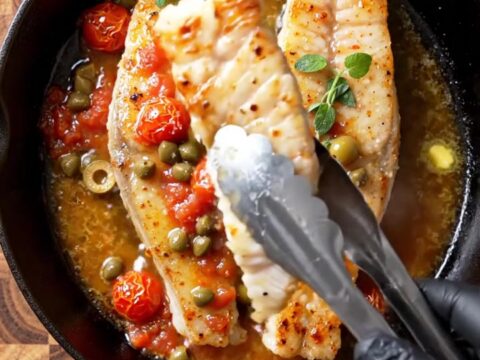
Seared Swordfish with Tomato, Olive and Caper Skillet Sauce
See the recipe → →This recipe is based on a short cooking video and is published under the pen name Clara Weller. It was checked before publication, but errors can slip through. Nutrition, when shown, is an estimate. Read more in our editorial policy and on our food safety page.
More recipes to try
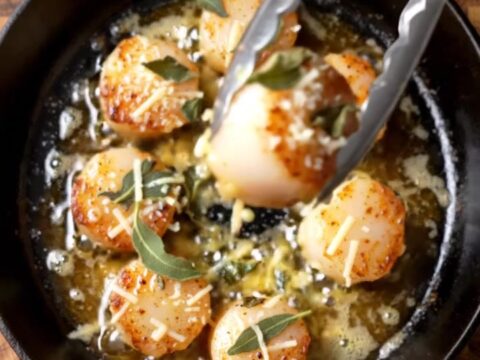
Brown Butter Seared Sea Scallops with Sage and Squash in One Skillet
Total time: 30 min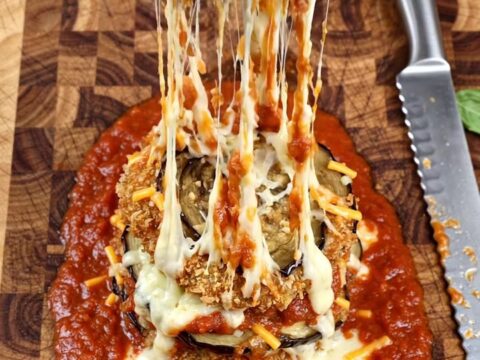
Crispy Eggplant Parmesan with Molten Mozzarella in One Skillet
Total time: 55 min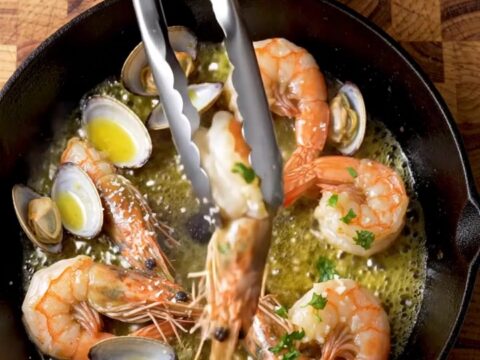
Garlic Butter Clam and Prawn Skillet in One Pan
Total time: 27 min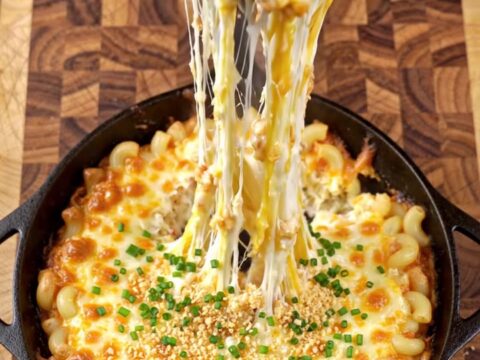
Truffle Four Cheese Mac and Cauliflower Skillet with Crispy Panko
Total time: 1 h
French Onion Rigatoni Skillet with Gruyere and Parmesan
Total time: 1 h 20 min