Dinner · Part 3 of 3: Tips & recipe card
Butternut Squash Sage Lasagna in Brown Butter Fontina Skillet Tips, FAQ & printable recipe
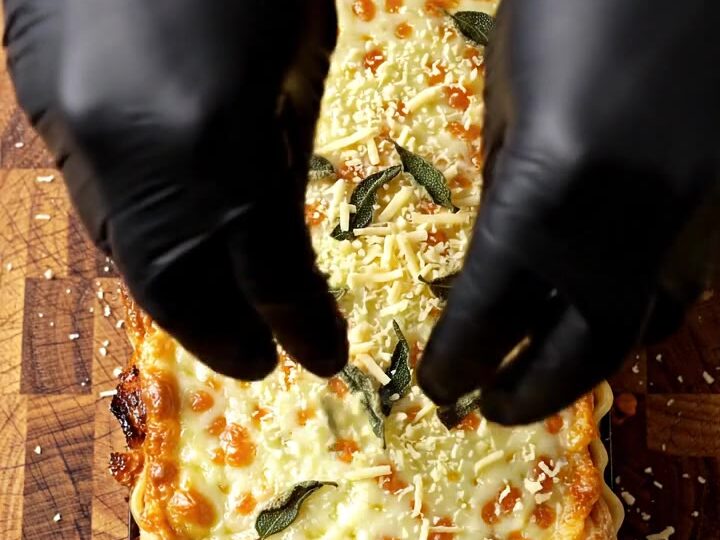
- Prep
- Cook
- Total
- Serves
- 6
Tips for success
Keep the butter moving while it browns, and pull the pan off the heat the moment it smells nutty and the milk solids turn golden. A small change in color can happen quickly, so do not walk away. Once the cream goes in, keep the heat at medium-low to protect the sauce from splitting. A gentle stir with a wooden spoon is enough to keep it smooth and glossy as the cheese melts through.
Work with the squash cubes cut small and evenly, and check them before layering. Small pieces soften during baking and blend into the cheese sauce, so no bite feels hard. If you want an even crisper top, you can place the skillet under the broiler for a minute at the very end, watching it closely. Let the lasagna rest the full 10 minutes before slicing, because the layers firm up and the squares keep their neat shape on the plate.
Variations
- Crispy top: Sprinkle an extra spoonful of grated hard cheese over the top before baking, and finish under the broiler for one minute, watching closely, until the surface turns deep golden and crisp.
- Brown butter with extra sage: Add a few more sage leaves to the brown butter as it foams, letting them crisp in the butter for a deeper herb flavor before you add the cream and cheese.
- Fontina melt: Replace half of the grated hard cheese with shredded fontina in the top layer for a stretchier, milder melt that goes well with the sweet squash.
- Smaller skillet portions: Divide the layers among four small oven-safe skillets for individual servings. Reduce the baking time to about 20 minutes and check that each top is bubbling and golden.
Storage and make-ahead
- Fridge
- Store cooled leftovers in an airtight container for up to four days, and keep fried sage separate.
- Freezer
- Freezing is possible in individual portions for up to two months, wrapped tightly and labeled with the date.
- Reheat
- Reheat individual portions in a covered skillet over low heat with a splash of cream, or in a 350°F (175°C) oven until hot through.
Leftover lasagna keeps well when it is cooled promptly. Let the skillet cool for no more than 2 hours at room temperature, then transfer the lasagna to an airtight container or cover the skillet tightly. Store it in the refrigerator, where it stays good for up to four days.
Keep the fried sage separate if you have any left over, because it softens in the fridge. Portion the lasagna into individual containers so you only reheat what you need, and do not return reheated portions to the fridge more than once. Label the container with the date so you know how long it has been stored.
You can prepare the components ahead to shorten the cooking day. The squash can be diced and kept in an airtight container in the refrigerator for up to one day, and the sage leaves can be picked and stored dry in a sealed bag. The hard aged cheese can be grated and kept covered in the fridge for a day or two.
Cooked noodles are best used the same day, so drain and lay them flat on a tray, covered with a damp towel, and keep them cool until assembly. Brown the butter and build the sauce just before assembling, since it is fastest to make while the squash is still fresh. Bake the lasagna the same day you assemble it, and fry the sage just before serving.
Serving ideas
Serve the lasagna straight from the skillet at the table, so the bubbling golden top stays hot and the first cut shows the layers. Use a wide spatula to lift each square cleanly, and place a few crisp sage leaves on top of every portion just before it goes on the plate.
A simple green salad with a sharp vinaigrette pairs well, because the acidity cuts through the rich brown butter and cheese sauce. A crisp white wine or a light red with good acidity also complements the nutty flavors of the squash and browned butter without overwhelming the dish.
For a relaxed dinner, serve the lasagna with a plate of roasted vegetables or a bowl of lightly dressed bitter greens. The sweetness of the squash makes a nice contrast with peppery arugula or sliced radicchio. Warm crusty bread is useful for scooping up any sauce left in the skillet.
Keep the portions generous, since the dish is rich and filling, and offer extra grated cheese at the table for anyone who wants more. Leftover squares make a satisfying lunch the next day when reheated gently in the skillet with a splash of cream.
Frequently asked questions
Can this lasagna be made ahead of time?
Why did your brown butter taste bitter?
Can you use pre-grated cheese for the sauce?
Why does the sauce look grainy or separated?
How do you keep the squash from staying firm in the lasagna?
Butternut Squash Sage Lasagna in Brown Butter Fontina Skillet
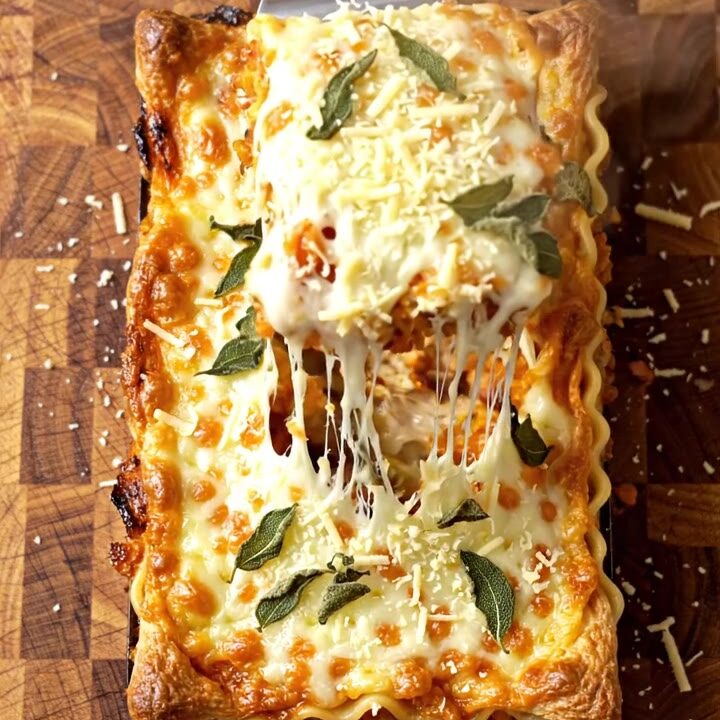
Ingredients
- 1 whole butternut squash (about 2 lb), halved lengthwise and diced small
- 9 oz wide lasagna noodles
- 12 fresh sage leaves, plus extra sprigs for frying
- 2 cloves garlic, minced
- 6 tbsp unsalted butter
- 1 1/2 cups heavy cream
- 1 1/2 cups finely grated aged hard cheese (parmesan), divided
- 1 tsp kosher salt, plus more to taste
- black pepper to taste
- 2 tbsp olive oil, for frying the sage
Instructions
- Halve the butternut squash lengthwise, peel it, and scoop out the seeds. Cut the cut half into small cubes about 1/2 inch wide. Mince the garlic and pick the sage leaves from their stems, keeping a few sprigs whole.
- Finely grate the aged hard cheese on a box grater. Cook the lasagna noodles in salted boiling water until just tender, then drain and lay them flat on a tray so they stay separate.
- Melt the butter in the cast iron skillet over medium heat. Let it foam, then cook, swirling often, until the milk solids turn golden brown and smell nutty. Add the garlic for the last 30 seconds.
- Lower the heat to medium-low and pour in the heavy cream. Stir in about 1 cup of the grated cheese, season with salt and pepper, and stir until the sauce is smooth and glossy. Keep the rest of the cheese for the top.
- Scatter the diced squash and the sage leaves into the skillet and stir gently to coat them in the sauce. Season with a little more salt and pepper.
- Lay a layer of noodles over the squash and sauce, breaking pieces to fit the skillet. Spoon more sauce over the noodles, then repeat with one more layer of noodles and sauce, ending with the remaining cheese on top.
- Bake the lasagna in the middle of the oven at 375°F (190°C) for about 30 to 35 minutes, until the top is bubbling and deeply golden with browned spots. Let it rest 10 minutes before slicing.
- Heat the olive oil in a small skillet over medium-high heat. Fry the reserved sage leaves for about 20 seconds until crisp, then drain them on paper towels. Slice the lasagna into neat squares and top each portion with the crisp sage.
Estimated nutrition per serving
- Calories
- 620
- Protein
- 22 g
- Carbohydrates
- 46 g
- Fat
- 38 g
- Fiber
- 5 g
- Sugar
- 8 g
- Sodium
- 780 mg
Next recipe
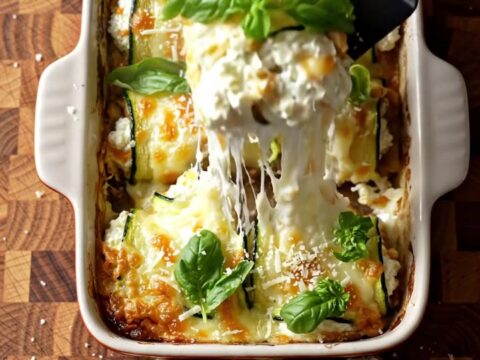
Baked Zucchini Lasagna Rolls with Ricotta and Basil
See the recipe → →This recipe is based on a short cooking video and is published under the pen name Clara Weller. It was checked before publication, but errors can slip through. Nutrition, when shown, is an estimate. Read more in our editorial policy and on our food safety page.
More recipes to try

Blistered Tomato Gnocchi with Molten Brie in One Skillet
Total time: 30 min
Cajun Blackened Salmon and Creamy Gulf Shrimp Skillet in One Pan
Total time: 38 min
Tuscan Salmon with Scallops in Vodka Cream Sauce
Total time: 40 min
Garlic Herb Butter Pan-Seared Arctic Char with Blistered Tomatoes
Total time: 27 min
Butternut Sage Lasagna in a Brown Butter Fontina Skillet
Total time: 1 h 50 min