Dinner · Part 2 of 3: Instructions
Butternut Squash Sage Lasagna in Brown Butter Fontina Skillet Step-by-step instructions
- Prep
- Cook
- Total
- Serves
- 6
Before you start
Gather everything before you turn on the stove, because the brown butter and sauce move quickly once they start. Set the oven rack in the middle position and preheat the oven to 375°F (190°C). Halve the squash lengthwise, peel it, scoop out the seeds, and dice the cut half into small cubes.
Pick the sage leaves from their stems, keeping a few whole sprigs aside for frying, and mince the garlic. Finely grate the hard aged cheese on a box grater and measure out 1 1/2 cups, keeping about 1 cup for the sauce and the rest for the top. Cook the lasagna noodles in salted boiling water until just tender, then drain and spread them on a tray so they do not stick together.
Ingredients at a glance (10)
- 1 whole butternut squash (about 2 lb), halved lengthwise and diced small
- 9 oz wide lasagna noodles
- 12 fresh sage leaves, plus extra sprigs for frying
- 2 cloves garlic, minced
- 6 tbsp unsalted butter
- 1 1/2 cups heavy cream
- 1 1/2 cups finely grated aged hard cheese (parmesan), divided
- 1 tsp kosher salt, plus more to taste
- black pepper to taste
- 2 tbsp olive oil, for frying the sage
Instructions
Brown the butter and build the sauce
- Prepare the squash and aromaticsHalve the butternut squash lengthwise, peel it, and scoop out the seeds. Cut the cut half into small cubes about 1/2 inch wide. Mince the garlic and pick the sage leaves from their stems, keeping a few sprigs whole.Look for Squash cubes are even and small, with no large chunks left behind.Tip Smaller cubes cook through in the same time as the noodles and melt into the sauce.
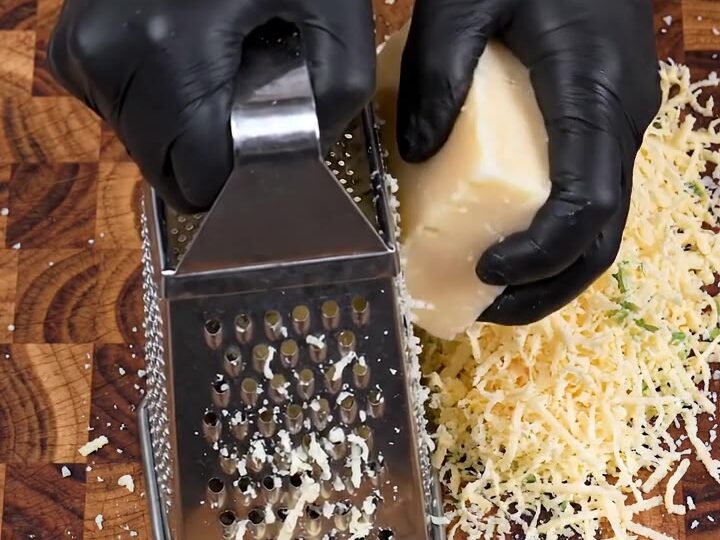
- Grate the cheese and cook noodlesFinely grate the aged hard cheese on a box grater. Cook the lasagna noodles in salted boiling water until just tender, then drain and lay them flat on a tray so they stay separate.Look for Noodles are pliable and slightly firmer than you want to eat.Tip Rinse nothing; drain well so the sauce does not thin out.
At the end of this phase, the butter should be foaming, then settling into a deep golden color with brown specks and a toasty, nutty smell. Once you add the cream and grated cheese over medium-low heat, the sauce should turn smooth and glossy and coat the back of a spoon without any grainy bits.
If you see clumps, lower the heat and whisk gently. Before moving on, check that the squash cubes and sage are ready next to the stove, and that the sauce has a rich, savory taste after seasoning with salt and pepper. Do not let the sauce boil hard, because high heat can make it separate and taste grainy.
Layer squash, sage and noodles
- Brown the butterMelt the butter in the cast iron skillet over medium heat. Let it foam, then cook, swirling often, until the milk solids turn golden brown and smell nutty. Add the garlic for the last 30 seconds.Look for Butter turns amber with toasted brown specks and a nutty aroma.Tip Pull the pan off the heat as soon as the color deepens to avoid bitter, burnt solids.
- Make the cheese cream sauceLower the heat to medium-low and pour in the heavy cream. Stir in about 1 cup of the grated cheese, season with salt and pepper, and stir until the sauce is smooth and glossy. Keep the rest of the cheese for the top.Look for Sauce is smooth, glossy and coats the back of a spoon.Tip Keep the heat gentle so the cheese melts without clumping or separating.
- Add squash and sageScatter the diced squash and the sage leaves into the skillet and stir gently to coat them in the sauce. Season with a little more salt and pepper.Look for Squash pieces are coated and sage leaves are spread evenly.Tip Reserve a few whole sage leaves for frying later.
- Layer the lasagnaLay a layer of noodles over the squash and sauce, breaking pieces to fit the skillet. Spoon more sauce over the noodles, then repeat with one more layer of noodles and sauce, ending with the remaining cheese on top.Look for Top layer of noodles is covered with sauce and cheese.Tip Press the noodles gently into the sauce so every layer stays moist.
At the end of this phase, the diced squash should be coated in sauce and the sage leaves should be evenly spread through the skillet. The noodles should be laid in one even layer and covered with sauce, then topped with a second layer of noodles, more sauce and the remaining cheese. The top should look moist and glossy, with no dry patches of noodle. Press the noodles gently so the sauce reaches them, and check that the edges of the skillet are not overfilled. Before the oven, make sure the skillet is level and the sheet pan is in place underneath, so no sauce spills onto the rack.
Bake, rest and fry the sage
- Bake until bubbling and brownedBake the lasagna in the middle of the oven at 375°F (190°C) for about 30 to 35 minutes, until the top is bubbling and deeply golden with browned spots. Let it rest 10 minutes before slicing.Look for Edges bubble and the top is spotted with deep golden brown.Tip Set the skillet on a sheet pan to catch any drips from the bubbling edges.
- Fry the sage and serveHeat the olive oil in a small skillet over medium-high heat. Fry the reserved sage leaves for about 20 seconds until crisp, then drain them on paper towels. Slice the lasagna into neat squares and top each portion with the crisp sage.Look for Sage leaves turn crisp and slightly translucent within seconds.Tip Fry in batches so the leaves stay crisp and do not overlap.
At the end of this phase, the lasagna should have bubbling edges and a top that is deeply golden with browned spots. The cheese should look set and crisp at the surface, and the layers should hold their shape when you cut into them. Let it rest about 10 minutes so the sauce firms slightly. Meanwhile, the reserved sage should fry until crisp and drained on paper towels, ready to garnish each square. Before serving, check that the squares are neat and that the garnish is added just before the plate goes to the table, so the sage stays crisp.
Common mistakes
The most common mistake is browning the butter over high heat, which can turn the milk solids bitter before the color has developed evenly. Watch the pan closely and remove it from the heat as soon as the butter smells nutty and the specks are golden brown. Another frequent problem is adding cold cream to very hot butter, which can cause the sauce to spatter; lower the heat before pouring.
Cutting the squash into large chunks is also a mistake, because the pieces stay firm while the noodles soften and the layers bake unevenly. Finally, skipping the rest makes the lasagna slump when sliced, so give it the full 10 minutes before cutting neat squares.
How to tell it’s done
The lasagna is ready when the top is bubbling across the whole surface and deeply golden in spots, and when the edges are visibly bubbling at the sides of the skillet. Insert a thin knife into the center; the squash should feel tender all the way through, and the noodles should be soft rather than firm.
There is no protein in this dish, so no meat thermometer is needed. Let it rest about 10 minutes before slicing, which lets the layers set so the squares hold their shape. The sage garnish is ready when the leaves look crisp and feel dry to the touch, usually within about 20 seconds in hot oil.
Up next · Part 3 of 3
4 variations · storage & make-ahead · 5 answers · printable card
Tips, FAQ & printable recipe (Part 3)← Back to the ingredients (Part 1)