Dinner · Part 3 of 3: Tips & recipe card
Burrata Fettuccine with Roasted Tomato Vegetable Sauce Tips, FAQ & printable recipe
- Prep
- Cook
- Total
- Serves
- 4
Tips for success
For the best flavor, use high-quality extra-virgin olive oil—it's a key ingredient in this dish. The oil not only helps roast the vegetables but also adds a fruity, peppery note that shines through.
When tossing the pasta, don't be shy with the pasta water; it's the secret to a silky sauce. Start with a splash and add more as needed. The sauce should be loose enough to coat the pasta but not watery.
If you have time, let the roasted vegetables rest for a few minutes before tossing with the pasta. This allows the juices to settle and the flavors to meld. You can also make the roasted vegetables ahead of time and reheat them when you're ready to serve.
The burrata should always be added fresh, right before serving, to preserve its creamy texture. And don't forget the basil—it adds a bright, peppery finish that balances the richness.
Variations
- Add Protein: For a heartier meal, add grilled chicken, shrimp, or Italian sausage. Cook the protein separately and toss it with the pasta in the final step. Adjust the cooking time accordingly to ensure the protein is fully cooked.
- Make it Spicy: Add a pinch of red pepper flakes along with the oregano for a subtle heat. You can also drizzle with chili oil before serving for an extra kick.
- Use Different Vegetables: Swap the eggplant and zucchini for bell peppers, mushrooms, or cherry tomatoes. The roasting technique works with almost any vegetable, so feel free to use what's in season.
- Try a Different Pasta: This sauce is delicious with any shape of pasta, from penne to rigatoni. Short shapes hold the sauce well, while long noodles like tagliatelle are equally elegant. Adjust the cooking time according to the package.
Storage and make-ahead
- Fridge
- Leftovers can be stored in an airtight container in the refrigerator for up to 3 days.
- Freezer
- Not recommended for freezing, as the texture of the pasta and burrata will suffer.
- Reheat
- Reheat in a skillet over medium heat with a splash of water or pasta water, tossing until hot.
Store any leftovers in an airtight container in the refrigerator for up to 3 days. The pasta will absorb some of the sauce, so when reheating, add a splash of water or olive oil to loosen it. The burrata is best enjoyed fresh, so if you have leftovers, you may want to pick it out before storing. Reheat gently on the stovetop or in the microwave until warmed through.
You can roast the vegetables up to 2 days ahead and keep them in the refrigerator. When ready to serve, reheat the vegetables in a skillet with a splash of pasta water, then toss with freshly cooked fettuccine. The burrata and basil should be added just before serving. This makes the dish perfect for a busy weeknight or a planned dinner party.
Serving ideas
Serve this fettuccine in wide bowls to show off the beautiful sauce and creamy burrata. A drizzle of extra-virgin olive oil and a scattering of fresh basil leaves add color and flavor.
Pair it with a simple green salad and crusty bread to soak up any extra sauce. This dish is hearty enough to stand alone, but it also works well as a main course for a larger Italian-themed meal.
For a truly memorable date night, serve the pasta with a glass of Italian red wine, like a Chianti or Sangiovese. The acidity of the wine complements the roasted tomatoes and balances the richness of the burrata.
You can also set the table with candles and fresh flowers to create a romantic atmosphere. The dish is elegant enough for special occasions but simple enough for any night of the week.
Frequently asked questions
Can this recipe be made ahead of time?
What can be used instead of burrata?
How can the sauce be made without a skillet?
Is it necessary to use starchy pasta water?
What if the sauce is too thick or too thin?
Burrata Fettuccine with Roasted Tomato Vegetable Sauce
Ingredients
- 6 ripe Roma tomatoes, halved
- 1 small eggplant, diced
- 1 medium zucchini, diced
- 4 whole garlic cloves, peeled
- 1 medium red onion, cut into wedges
- 1/4 cup extra-virgin olive oil, plus more for drizzling
- 2 tbsp balsamic vinegar
- 1 tsp dried oregano
- 1 tsp kosher salt, plus more for pasta water
- 12 oz fettuccine pasta
- 8 oz fresh burrata cheese, torn
- 1/4 cup fresh basil leaves, torn
Instructions
- Heat the oven to 400°F (200°C). On a large baking sheet, combine the halved Roma tomatoes, diced eggplant, diced zucchini, whole garlic cloves, and red onion wedges. Drizzle with 1/4 cup olive oil and balsamic vinegar. Sprinkle with oregano and 1 tsp kosher salt. Toss everything with your hands to coat evenly, then spread in a single layer. Roast for 25-30 minutes, until the vegetables are charred at the edges and the tomatoes have burst and released their juices. The garlic should be soft and golden.
- While the vegetables roast, bring a large pot of salted water to a boil. Add the fettuccine and cook until al dente according to the package directions, usually about 8-10 minutes. Reserve about 1 cup of the starchy pasta water before draining. Drain the pasta but do not rinse it.
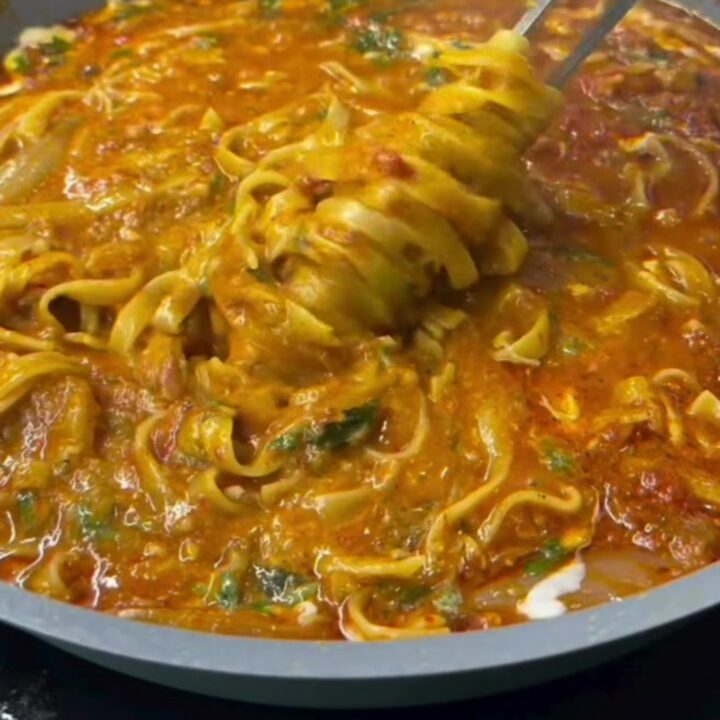
- Transfer the roasted vegetables and all their juices to a large skillet or sauté pan. Place the pan over medium-high heat. Add the drained fettuccine and a splash of the reserved pasta water (about 1/2 cup). Toss everything together with tongs, allowing the sauce to coat each strand. Continue tossing and adding a little more pasta water as needed until the sauce is glossy and clings to the pasta, about 2-3 minutes. The mixture should be bubbling hot.
- Divide the pasta among wide bowls. Tear the fresh burrata over the top, letting the creamy center ooze into the hot pasta. Drizzle with a little extra-virgin olive oil and scatter the torn basil leaves over each bowl. Serve immediately, while the dish is still bubbling hot.
Estimated nutrition per serving
- Calories
- 610
- Protein
- 18 g
- Carbohydrates
- 72 g
- Fat
- 28 g
Next recipe
Crown Pizza with Sesame Braided Crust
See the recipe → →This recipe is based on a short cooking video and is published under the pen name Clara Weller. It was checked before publication, but errors can slip through. Nutrition, when shown, is an estimate. Read more in our editorial policy and on our food safety page.
More recipes to try
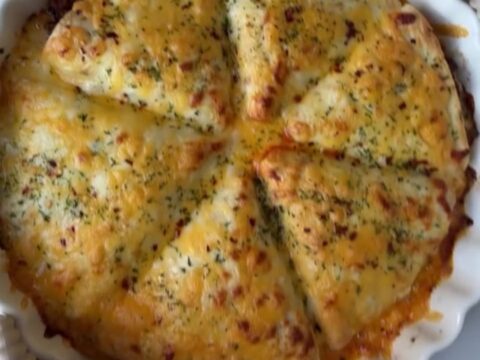
Golden Beef and Cheese Pockets with Garlic Butter
Total time: 48 min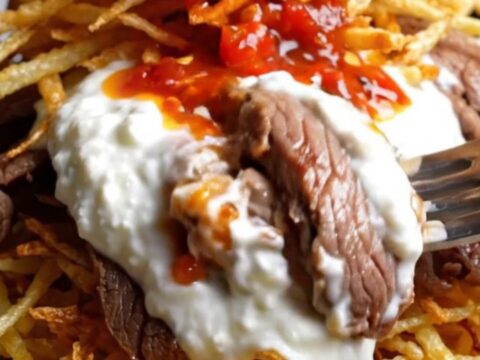
Turkish Çökertme Kebabı with Crispy Matchstick Potatoes
Total time: 40 min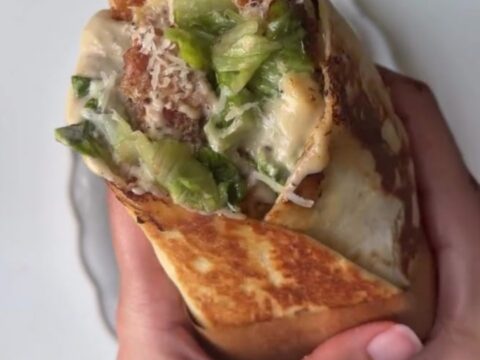
Golden Crispy Chicken Caesar Wrap
Total time: 35 min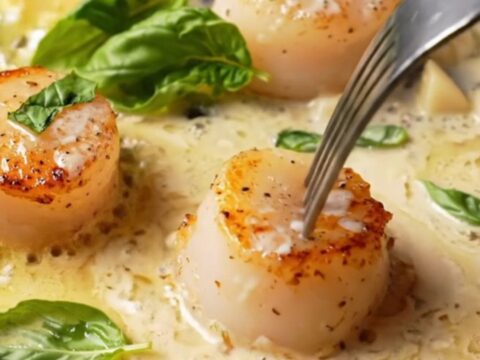
Creamy Garlic Butter Scallops with White Wine & Fresh Basil
Total time: 20 min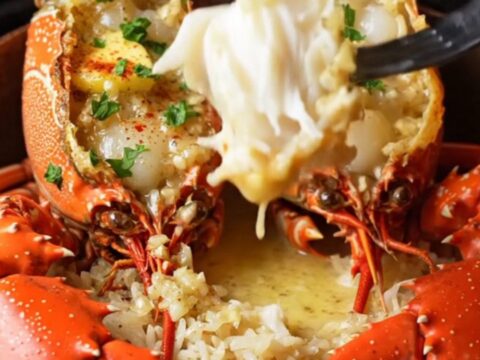
Creamy Garlic Butter Lobster Tails with Steamed Jasmine Rice
Total time: 20 min