Dinner · Part 1 of 3: Ingredients
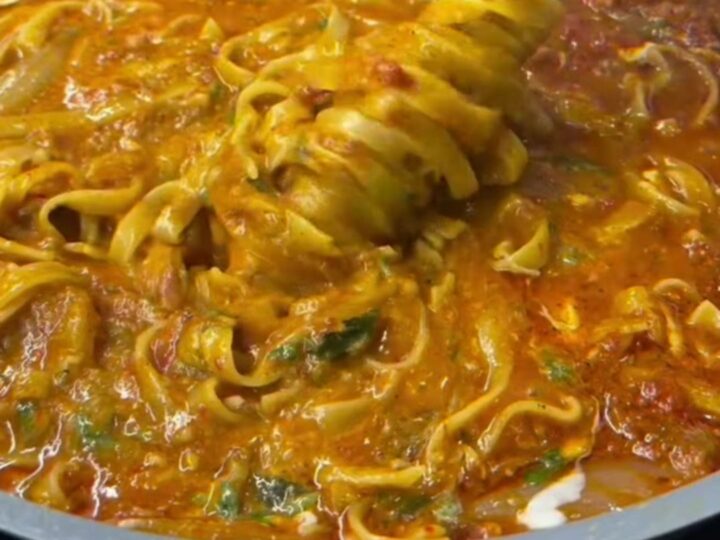
Burrata Fettuccine with Roasted Tomato Vegetable Sauce
- Prep
- Cook
- Total
- Serves
- 4
Twirl up the most comforting Italian dinner you will ever taste: fettuccine draped in a rustic roasted tomato and vegetable sauce, crowned with creamy torn burrata and fresh basil. This is the kind of meal that feels like a warm hug in a bowl—rich, saucy, and deeply satisfying.
The secret lies in roasting the vegetables until they char and sweeten, then tossing the pasta right into that bubbling, glossy sauce. It's simple enough for a weeknight, yet elegant enough for a date night at home.
This recipe takes humble vegetables—Roma tomatoes, eggplant, zucchini, garlic, and red onion—and transforms them into a velvety, deeply flavorful sauce through the magic of high-heat roasting. The vegetables caramelize, the tomatoes burst, and the garlic softens into sweetness.
Then everything gets tossed with al dente fettuccine and a splash of starchy pasta water to create a sauce that clings to every strand. Finished with creamy burrata and fresh basil, this dish is pure Italian comfort. It's a one-pan wonder that comes together with minimal effort and maximum flavor.
Ingredients
- 6 ripe Roma tomatoes, halved
- 1 small eggplant, diced
- 1 medium zucchini, diced
- 4 whole garlic cloves, peeled
- 1 medium red onion, cut into wedges
- 1/4 cup extra-virgin olive oil, plus more for drizzling
- 2 tbsp balsamic vinegar
- 1 tsp dried oregano
- 1 tsp kosher salt, plus more for pasta water
- 12 oz fettuccine pasta
- 8 oz fresh burrata cheese, torn
- 1/4 cup fresh basil leaves, torn
Why this recipe works
Roasting the vegetables at 400°F (200°C) concentrates their natural sugars and brings out a deep, caramelized sweetness that you can't get from sautéing. The high heat also creates charred edges that add a subtle smokiness to the sauce. This method requires very little hands-on time—just chop, toss, and let the oven do the work. The result is a sauce that tastes slow-cooked, but comes together in under an hour.
Tossing the fettuccine directly into the roasted vegetables with a splash of starchy pasta water is the key to a glossy, emulsified sauce. The starch in the water helps the olive oil and vegetable juices bind together, coating each strand of pasta instead of pooling at the bottom of the bowl.
This technique, straight from the Italian tradition, ensures every bite is silky and flavorful. It's a simple step that makes all the difference between a good pasta and a great one.
Notes and substitutions
Use ripe, in-season Roma tomatoes for the best flavor—they're meaty and sweet, perfect for roasting. If you can't find Roma, any plum or vine-ripened tomato works. The eggplant and zucchini should be diced into similar-size pieces so they cook evenly. Don't skip the balsamic vinegar; it adds a touch of acidity and sweetness that brightens the whole dish. Burrata is the star topping—its creamy center is what makes this pasta so luxurious.
For equipment, you'll need a large baking sheet for roasting and a wide skillet for tossing the pasta. A large pot for boiling the fettuccine is essential. If you don't have a skillet, you can toss everything back on the baking sheet, but a skillet makes it easier to coat the pasta evenly.
No special tools required—just a good pair of tongs and a chef's knife. This recipe is forgiving, so feel free to adjust the vegetables based on what you have on hand.
- fettuccine: Use tagliatelle, pappardelle, or any long pasta you have on hand.
- burrata: Fresh mozzarella or ricotta can stand in, though the creamy center of burrata is part of the charm.
- zucchini: Yellow squash works perfectly in place of zucchini.
- balsamic vinegar: Red wine vinegar with a pinch of sugar can mimic the sweetness of balsamic.
Equipment
- Baking sheet
- Large pot for pasta
- Large skillet or sauté pan
- Tongs
- Chef's knife
- Cutting board
Up next · Part 2 of 3
4 steps · 40 min of cooking · what to look for at each stage
Step-by-step instructions (Part 2)