Dinner · Part 2 of 3: Instructions
Burrata Fettuccine with Roasted Tomato Vegetable Sauce Step-by-step instructions
- Prep
- Cook
- Total
- Serves
- 4
Before you start
Before you start, set out all your ingredients and equipment. Heat the oven to 400°F (200°C) so it's ready when you are. Wash and chop the vegetables: halve the Roma tomatoes, dice the eggplant and zucchini into bite-size pieces, peel the garlic cloves, and cut the red onion into wedges.
Measure the olive oil, balsamic vinegar, oregano, and salt. Fill a large pot with water and bring it to a boil—you'll need it for the pasta. Have a mug or measuring cup ready to scoop out the starchy pasta water. Finally, take the burrata out of the fridge so it loses some of its chill.
Ingredients at a glance (12)
- 6 ripe Roma tomatoes, halved
- 1 small eggplant, diced
- 1 medium zucchini, diced
- 4 whole garlic cloves, peeled
- 1 medium red onion, cut into wedges
- 1/4 cup extra-virgin olive oil, plus more for drizzling
- 2 tbsp balsamic vinegar
- 1 tsp dried oregano
- 1 tsp kosher salt, plus more for pasta water
- 12 oz fettuccine pasta
- 8 oz fresh burrata cheese, torn
- 1/4 cup fresh basil leaves, torn
Instructions
Roasting the Vegetables
- Roast the VegetablesHeat the oven to 400°F (200°C). On a large baking sheet, combine the halved Roma tomatoes, diced eggplant, diced zucchini, whole garlic cloves, and red onion wedges. Drizzle with 1/4 cup olive oil and balsamic vinegar. Sprinkle with oregano and 1 tsp kosher salt. Toss everything with your hands to coat evenly, then spread in a single layer. Roast for 25-30 minutes, until the vegetables are charred at the edges and the tomatoes have burst and released their juices. The garlic should be soft and golden.Look for The vegetables are tender, the tomatoes have collapsed, and the edges are caramelized.Tip Keep the vegetables in a single layer so they roast rather than steam.
- Cook the PastaWhile the vegetables roast, bring a large pot of salted water to a boil. Add the fettuccine and cook until al dente according to the package directions, usually about 8-10 minutes. Reserve about 1 cup of the starchy pasta water before draining. Drain the pasta but do not rinse it.Look for The pasta is tender but still has a slight bite in the center.Tip Scoop out the pasta water with a mug before draining; it's essential for the sauce.
The vegetables should be tender, with charred edges and a sweet, caramelized aroma. The tomatoes will have burst and released their juices, creating a saucy base. The garlic should be soft and golden.
Check that the vegetables are roasted to your liking—if they need more time, give them a few extra minutes. The kitchen should smell warm and inviting, with hints of oregano and balsamic.
Combining Pasta and Sauce
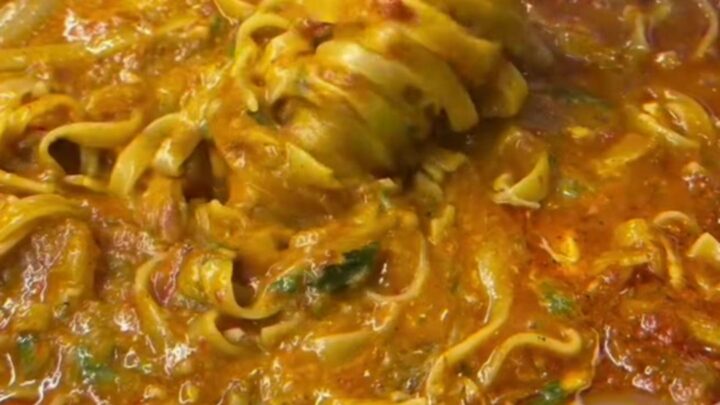
- Combine Pasta and SauceTransfer the roasted vegetables and all their juices to a large skillet or sauté pan. Place the pan over medium-high heat. Add the drained fettuccine and a splash of the reserved pasta water (about 1/2 cup). Toss everything together with tongs, allowing the sauce to coat each strand. Continue tossing and adding a little more pasta water as needed until the sauce is glossy and clings to the pasta, about 2-3 minutes. The mixture should be bubbling hot.Look for The sauce is bubbling and every strand of pasta is coated and glossy.Tip Don't rush this step; the tossing helps the sauce emulsify with the pasta water.
The sauce should be bubbling hot, with the vegetables breaking down and coating the pasta. The fettuccine should be glossy and well-coated, with no dry spots. The starchy pasta water helps create a silky texture. Look for the sauce to cling to the noodles as you toss. The sound should be a gentle sizzle, and the aroma should be rich and savory.
Finishing and Serving
- Finish and ServeDivide the pasta among wide bowls. Tear the fresh burrata over the top, letting the creamy center ooze into the hot pasta. Drizzle with a little extra-virgin olive oil and scatter the torn basil leaves over each bowl. Serve immediately, while the dish is still bubbling hot.Look for The burrata softens and turns creamy over the hot pasta, and the basil adds a fresh aroma.Tip Tear the burrata just before serving so it stays creamy and doesn't melt away completely.
The burrata should be torn into creamy pieces that begin to melt into the hot pasta. The basil adds a fresh, aromatic note. The dish should look vibrant with red, green, and creamy white. Serve immediately while everything is hot and the burrata is still soft. The final presentation should be inviting and elegant, perfect for a special dinner.
Common mistakes
One common mistake is overcrowding the baking sheet, which causes the vegetables to steam instead of roast. Use a large sheet and spread everything in a single layer. Another is skipping the pasta water—it's essential for creating a silky sauce that clings to the pasta.
Don't forget to reserve at least a cup before draining. Overcooking the pasta is also a pitfall; cook it just to al dente, as it will continue to cook slightly when tossed with the hot sauce. Finally, don't add the burrata too early—tear it right before serving so it stays creamy.
How to tell it’s done
The dish is done when the pasta is al dente and coated with a glossy, bubbling sauce. The roasted vegetables should be tender and lightly charred, with the tomatoes collapsed and releasing their juices. The burrata should be soft and creamy, melting slightly into the hot pasta.
Taste a strand of fettuccine—it should be tender but still have a slight bite. The sauce should cling to the pasta rather than pooling. If it seems dry, add a splash more pasta water. The final dish should be hot, aromatic, and irresistible.
Up next · Part 3 of 3
4 variations · storage & make-ahead · 5 answers · printable card
Tips, FAQ & printable recipe (Part 3)← Back to the ingredients (Part 1)