Dinner · Part 3 of 3: Tips & recipe card
Brown Butter Seared Scallops with Butternut Squash and Sage in One Pan Tips, FAQ & printable recipe
- Prep
- Cook
- Total
- Serves
- 2
Tips for success
Set a timer for the scallops and do not move them during the sear. Scallops release from the pan naturally when the crust is formed, so if they stick, they need another moment. Lifting them too early tears the crust and leaves uneven color. A calm, steady heat gives the best result.
Keep the skillet at a steady medium heat once the butter foams, and watch the color rather than the clock. Brown butter can go from perfect to bitter in seconds. Spoon the foaming butter over the food as it browns, which keeps the surfaces glossy and spreads the nutty flavor evenly across the squash, sage and scallops.
Variations
- Acorn Squash Version: Swap the butternut squash for acorn squash cut into similar cubes. The flesh is a little sweeter and softer, so cook it a few minutes less, checking for caramelized edges and tenderness before searing the scallops.
- Sweet Potato Version: Use diced sweet potato in place of the squash. Cut it into half-inch cubes and cook them slightly longer until tender. The result is richer and more earthy, and it pairs especially well with the nutty brown butter and crisp sage.
- Extra Sage Crunch: Fry a larger handful of sage leaves in the brown butter until they are very crisp, then drain them on paper towels. Scatter the extra crisp leaves over the finished dish for a stronger, more aromatic herb flavor and a satisfying crunch.
- Lemon Zest Finish: Before squeezing the lemon, grate a little zest over the scallops and squash. The zest adds fragrant citrus oil that complements the brown butter and sage, giving the finished plate a brighter, more floral aroma without changing the method.
Storage and make-ahead
- Fridge
- Store leftover cooked scallops in an airtight container in the refrigerator and eat within one day for the best texture and flavor.
- Reheat
- Reheat leftover scallops gently in a skillet over low heat with a little butter for a minute or two, just until warmed through, to avoid toughening them.
Seared scallops are best eaten the same day they are cooked, while the crust is crisp and the texture is tender. If you have leftovers, let them cool for no more than 2 hours at room temperature, then transfer the scallops, squash and sage to a shallow airtight container. Keep the cheese separate so it does not soften further.
Store the container in the refrigerator and eat the leftovers within one day. Do not leave cooked scallops out for longer than two hours, because bacteria multiply quickly on cooked seafood. The brown butter can be kept in a sealed jar in the refrigerator for up to a week and gently re-melted when needed.
You can prepare most of this dish in advance so that cooking takes only a few minutes at dinnertime. Peel and dice the butternut squash up to one day ahead, then store the cubes in an airtight container in the refrigerator. Pick the sage leaves and keep them dry between paper towels in a sealed bag.
Grate the aged hard cheese and keep it covered in the refrigerator. You can also brown the butter ahead and reserve it in a jar, reheating it gently before serving. Do not season or dry the scallops until just before cooking, since they release moisture once salted and lose their ability to sear. Keep the scallops refrigerated until the pan is ready.
Serving ideas
Serve the scallops straight from the cast iron skillet while the brown butter is still bubbling and the sage is crisp. Arrange a few scallops and a generous spoonful of squash on each warm plate, spooning over the amber butter and scattering the crisp sage leaves.
The pan presentation is part of the appeal, so bring it to the table on a trivet and let guests help themselves. Offer lemon wedges on the side so everyone can add more brightness to their portion.
The dish pairs well with a simple green salad dressed with lemon and olive oil, which echoes the citrus in the sauce. A crusty bread helps soak up the brown butter left in the pan.
For a drink, a crisp white wine with good acidity, or a light sparkling water with lemon, keeps the palate fresh between the rich, sweet and nutty bites. Keep the sides simple so the scallops and brown butter remain the focus of the meal.
Frequently asked questions
Why are your scallops not browning?
How do you know when brown butter is ready?
Can the brown butter be made ahead?
Can you use frozen scallops for this recipe?
What is the best way to cut butternut squash for this dish?
Brown Butter Seared Scallops with Butternut Squash and Sage in One Pan
Ingredients
- 8 fresh sea scallops, side muscle removed and patted dry
- 1 lb butternut squash, peeled and diced into 1/2-inch cubes
- 12 fresh sage leaves, plus extra for frying
- 4 tbsp unsalted butter
- 1 tbsp neutral oil, such as canola
- kosher salt to taste
- freshly ground black pepper to taste
- 1 fresh lemon, cut into wedges
- aged hard cheese, such as Parmigiano-Reggiano, for grating, to taste
Instructions
- Pat the scallops very dry with paper towels and season both sides with kosher salt and black pepper. Arrange the scallops on a plate, then dice the peeled squash into half-inch cubes and set them on a board beside the sage leaves.
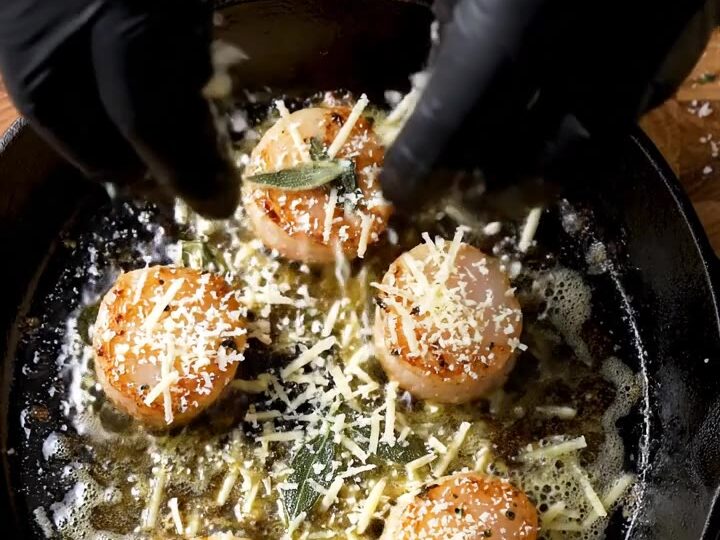
- Using a fine grater, grate the aged hard cheese over a small plate or the board until you have a loose pile of golden shreds. Set it aside within easy reach of the stove.
- Heat the oil in the cast iron skillet over medium heat. Add 2 tablespoons of the butter and let it melt and foam, then add the diced squash and a pinch of salt. Cook, stirring occasionally, for 8 to 10 minutes until the cubes are caramelized and tender.
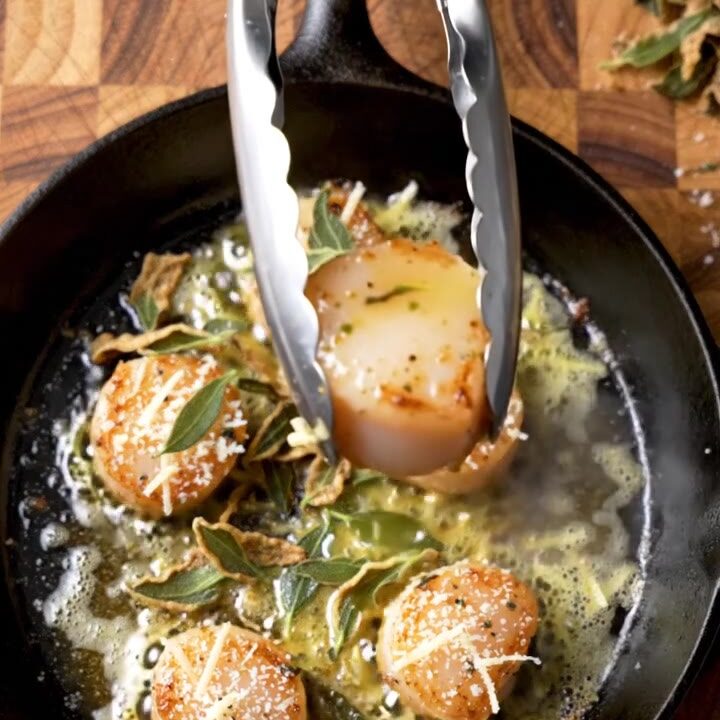
- Push the squash to one side of the skillet and add the remaining 2 tablespoons of butter. Add the scallops, then the sage leaves, in a single layer. Cook for about 2 minutes without moving them until a golden crust forms, then flip each scallop and cook 1 to 2 minutes more.
- Spoon the bubbling, nutty brown butter over the scallops, squash and sage as it browns. Continue basting for about 1 minute, until the butter turns amber and the sage leaves are crisp and darkened at the edges.
- Take the skillet off the heat and squeeze fresh lemon juice over the pan, letting it hiss into the butter. Season with a little more salt and pepper if needed, then scatter the grated cheese and crisp sage over the scallops and squash.
- Bring the skillet straight to the table and spoon the scallops, caramelized squash and brown butter onto warm plates. Add lemon wedges on the side for guests to squeeze over their portions.
Estimated nutrition per serving
- Calories
- 520
- Protein
- 30 g
- Carbohydrates
- 30 g
- Fat
- 30 g
- Fiber
- 4 g
- Sugar
- 6 g
- Sodium
- 700 mg
Next recipe

Cheesy Sweet Potato Skillet Bake in One Cast Iron Pan
See the recipe → →This recipe is based on a short cooking video and is published under the pen name Clara Weller. It was checked before publication, but errors can slip through. Nutrition, when shown, is an estimate. Read more in our editorial policy and on our food safety page.
More recipes to try
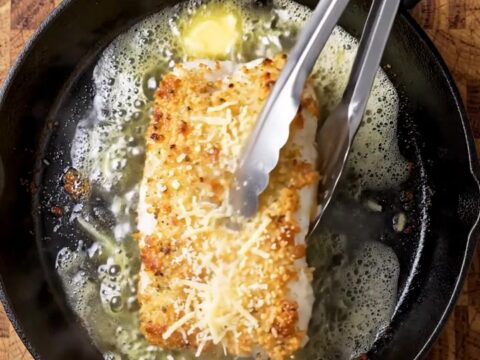
Parmesan Crusted Cod with Lemon Garlic Butter Spinach in One Skillet
Total time: 27 min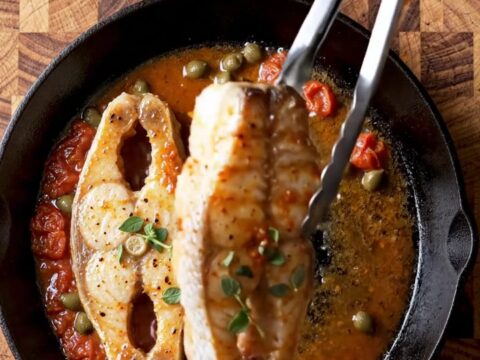
Seared Swordfish with Tomato, Caper and Olive Skillet
Total time: 30 min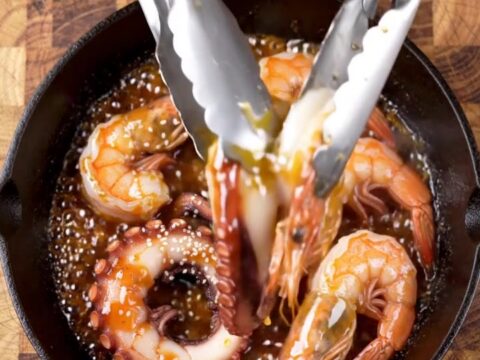
Honey Gochujang Shrimp and Charred Octopus Skillet in 30 Minutes
Total time: 32 min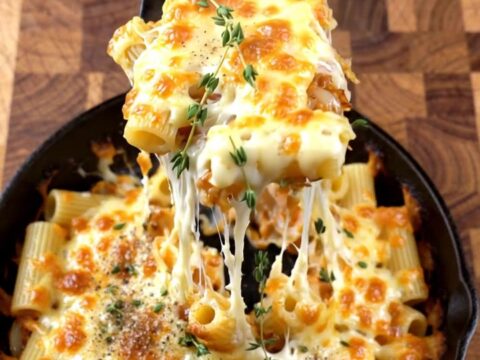
French Onion Rigatoni with Gruyère in One Skillet
Total time: 1 h 20 min
Crispy Eggplant Parmesan in One Skillet, Golden and Bubbly
Total time: 1 h