Dinner · Part 3 of 3: Tips & recipe card
Barolo-Braised Short Rib Ragu over Fresh Tagliatelle Tips, FAQ & printable recipe
- Prep
- Cook
- Total
- Serves
- 4
Tips for success
To get the most flavor from the short ribs, sear them in batches and do not move them too soon. A good crust takes time — about 3 to 4 minutes per side. If the ribs are crowded, they will steam instead of brown, so give them space.
When deglazing with Barolo, scrape the bottom of the pot thoroughly to lift all the browned bits; this is where much of the dish's depth comes from. If the sauce seems too thin after shredding, let it simmer uncovered for a few extra minutes, but keep an eye on it so it does not become too thick.
Fresh tagliatelle cooks very quickly, often in under 3 minutes. Watch it carefully and taste a strand a minute in to avoid overcooking. Always reserve some pasta water before draining; a splash of it can loosen the sauce and help it coat the noodles better.
The gremolata should be made fresh and added just before serving, as the lemon zest loses its punch if it sits. For the best texture, toss the pasta with the sauce over low heat, allowing the butter to melt and emulsify into a glossy coating.
Variations
- Pappardelle with Short Rib Ragu: Swap the tagliatelle for wide pappardelle noodles. Their broader surface catches more of the chunky ragu, making each bite intensely satisfying. Cook according to package directions and toss with the sauce and butter as directed.
- Polenta with Short Rib Ragu: Instead of pasta, serve the ragu over creamy polenta. The soft, buttery polenta soaks up the rich sauce beautifully. For a gluten-free option, this is an excellent alternative. Top with gremolata and cheese as usual.
- Add Dried Porcini Mushrooms: Soak 15 g of dried porcini mushrooms in hot water for 20 minutes, then chop and add them to the mirepoix. Strain the soaking liquid and use it to replace some of the water in the braise for an extra layer of earthy umami.
- Make It Spicy: For a subtle heat, add a pinch of red pepper flakes along with the tomato paste. The warmth will complement the wine and beef without overpowering the dish. Adjust the amount to taste, and serve with extra flakes on the side.
Storage and make-ahead
- Fridge
- Store leftover ragu and pasta separately in airtight containers in the fridge for up to 4 days.
- Freezer
- The ragu freezes well for up to 3 months. Cool completely, transfer to a freezer-safe container, and thaw overnight in the fridge before reheating.
- Reheat
- Reheat the ragu in a saucepan over medium-low heat, adding a splash of water or wine to loosen.
Leftover ragu and pasta can be stored in an airtight container in the refrigerator for up to 4 days. The sauce will thicken as it cools; when reheating, add a splash of water or beef broth to loosen it. The pasta may absorb some sauce, so you may want to add an extra knob of butter when reheating to restore its silkiness. Reheat gently on the stovetop or in the microwave, stirring occasionally, until piping hot.
The ragu can be made up to 3 days in advance. Prepare the recipe through the shredding step, then let the sauce cool completely and refrigerate in an airtight container. The flavors will meld and deepen overnight.
When ready to serve, reheat the ragu gently on the stovetop, adding a splash of water or wine if needed. Cook the tagliatelle fresh and toss with the reheated sauce. The gremolata should be made fresh each time for the brightest flavor.
Serving ideas
Serve this ragu over fresh tagliatelle in wide, shallow bowls so the sauce pools around the pasta. Top each bowl generously with grated Parmigiano-Reggiano and a pinch of gremolata. A glass of the same Barolo used in the sauce makes a perfect pairing, as the wine's structure and fruit echo the dish's richness. For a complete meal, start with a simple green salad with a lemony vinaigrette to balance the heaviness of the ragu.
This is a dish meant to be savored slowly, so set the table with warm bread to mop up any leftover sauce. If you have extra gremolata, sprinkle it over the top just before serving to add a burst of freshness.
The leftovers, if any, are just as delicious the next day — the pasta will absorb some sauce, but the flavor only improves. For a more casual presentation, you can also serve the ragu over polenta instead of pasta, but the tagliatelle is classic.
Frequently asked questions
Can this recipe be made without wine?
What is the best cut of beef for this ragu?
Can this dish be made in a slow cooker?
How do you prevent the sauce from becoming greasy?
What can be used instead of fresh tagliatelle?
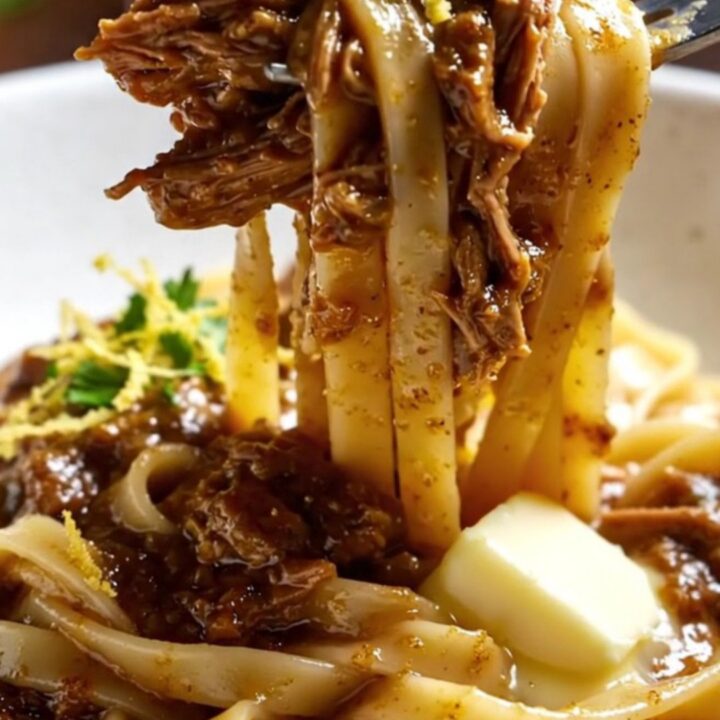
Barolo-Braised Short Rib Ragu over Fresh Tagliatelle
Ingredients
- 800 g bone-in beef short ribs
- 1 medium carrot, diced
- 1 stalk celery, diced
- 1 medium onion, diced
- 3 tbsp tomato paste
- 350 ml Barolo red wine
- 400 g fresh tagliatelle
- 30 g butter
- grated Parmigiano-Reggiano, for serving
- 1 tsp lemon zest
- 2 tbsp chopped fresh parsley
Instructions
- Pat the short ribs dry with paper towels. Heat a Dutch oven over medium-high heat until shimmering. Add the short ribs in a single layer, working in batches if needed, and sear without moving until deeply browned on all sides, about 3–4 minutes per side. Transfer the ribs to a plate and set aside.
- Reduce the heat to medium. Add the diced carrot, celery, and onion to the same pot. Cook, stirring occasionally, until the vegetables have softened and started to turn golden, about 6–8 minutes. Scrape up any browned bits from the bottom of the pot as the vegetables release their moisture.
- Add the tomato paste and stir to coat the vegetables. Cook for 1–2 minutes until the paste darkens and smells slightly sweet. Pour in the Barolo wine, scraping the bottom of the pot to release any browned bits. Bring the wine to a simmer and let it reduce by half, about 5 minutes.
- Return the seared short ribs to the Dutch oven, nestling them into the wine and vegetables. Add enough water to come about halfway up the sides of the ribs. Bring the liquid to a gentle simmer, then cover the pot with a tight-fitting lid.
- Transfer the covered Dutch oven to a preheated 325°F (160°C) oven. Braise for 3 hours, or until the meat is fork-tender and nearly falling off the bone. Carefully remove the pot from the oven and let it rest for 10 minutes.
- Using tongs, transfer the short ribs to a cutting board. When cool enough to handle, remove the bones and discard any excess fat. Use two forks to shred the meat into bite-sized pieces, discarding any gristle.
- Skim any excess fat from the surface of the braising liquid. Return the shredded meat to the pot and bring the sauce to a gentle simmer over medium heat. Let it cook uncovered for 10–15 minutes until the sauce has thickened slightly and the flavors meld.
- Bring a large pot of generously salted water to a boil. Add the fresh tagliatelle and cook according to the package directions, typically 2–3 minutes, until al dente. Reserve about 1 cup of pasta water before draining.
- Drain the tagliatelle and add it to the pot with the ragu. Add the butter and toss everything together over low heat, using tongs to coat the pasta evenly with the sauce. If the mixture seems dry, add a splash of the reserved pasta water to loosen it.
- In a small bowl, combine the lemon zest and chopped parsley. Spoon the ragu-topped tagliatelle into warm bowls, sprinkle generously with grated Parmigiano-Reggiano, and finish with a pinch of the gremolata over each serving.
Estimated nutrition per serving
- Calories
- 850
- Protein
- 45 g
- Carbohydrates
- 65 g
- Fat
- 45 g
Next recipe
Spicy Crab Bucatini with Garlic Pangrattato
See the recipe → →This recipe is based on a short cooking video and is published under the pen name Clara Weller. It was checked before publication, but errors can slip through. Nutrition, when shown, is an estimate. Read more in our editorial policy and on our food safety page.
More recipes to try
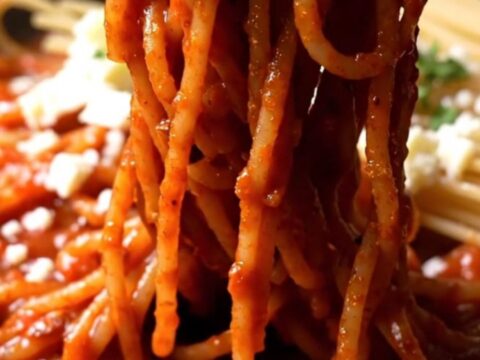
Crispy Assassin's Spaghetti: One-Pan Fiery Pasta
Total time: 35 min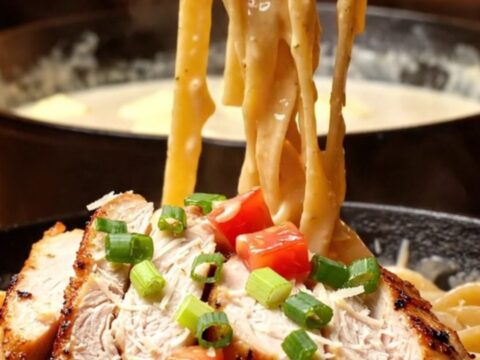
Smoky Cajun Blackened Chicken Alfredo
Total time: 30 min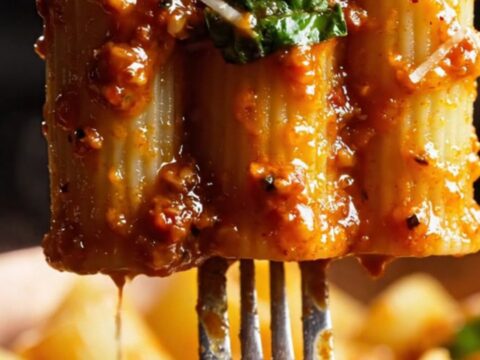
Spicy Nduja Mascarpone Paccheri: Silky 5-Ingredient Pasta
Total time: 25 min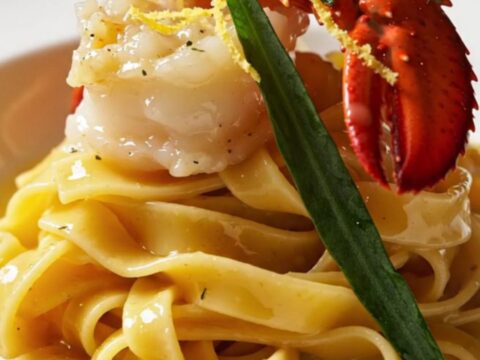
Butter-Poached Lobster Mafaldine Date-Night Pasta
Total time: 25 min
Stuffed Jumbo Shells with Roasted Garlic Ricotta
Total time: 52 min