Dinner · Part 1 of 3: Ingredients
Crispy Assassin’s Spaghetti: One-Pan Fiery Pasta
- Prep
- Cook
- Total
- Serves
- 4
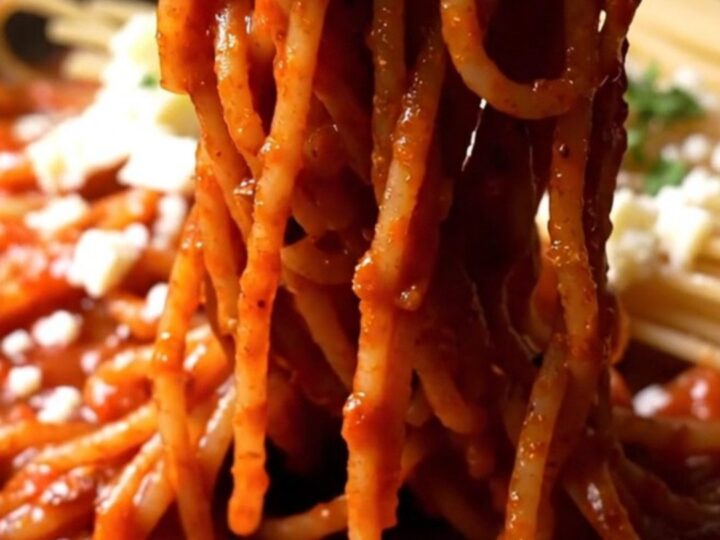
Forget boiling water—this Assassin's Spaghetti chars raw pasta directly in a fiery tomato broth until every strand is crispy-edged, chewy, and deeply caramelized.
The technique is dramatic, the flavor is intense, and the result is a one-pan dinner that feels both rustic and revolutionary. With just a handful of pantry staples and a hot cast-iron skillet, you can create a pasta dish that sizzles, crackles, and delivers a spicy, smoky kick in every bite.
Assassin's Spaghetti, or spaghetti all'assassina, is a Southern Italian specialty that flips traditional pasta cooking on its head. Instead of boiling the pasta in water, raw spaghetti is toasted directly in a skillet with olive oil, garlic, and chili flakes, then slowly cooked in a concentrated tomato broth.
The result is a pasta that is simultaneously crispy and chewy, with charred, caramelized edges that soak up the spicy, savory sauce. This version uses San Marzano tomatoes for their sweet, low-acid flavor, and the cast-iron skillet ensures a deep, even sear. It's a bold, fiery, and utterly addictive dish that will change the way you think about pasta.
Ingredients
- 1/4 cup olive oil
- 5 cloves garlic, sliced
- 1 tbsp crushed red pepper flakes
- 400 g dry spaghetti
- 3 cups San Marzano tomato broth
For serving
- Fresh stracciatella, for serving
- Fresh parsley, chopped, for serving
Why this recipe works
The method of cooking raw pasta directly in a skillet with tomato broth allows the starches to toast and caramelize, creating a complex, nutty flavor that you simply cannot achieve with boiled pasta.
The high heat of the cast-iron skillet promotes the Maillard reaction, producing crispy, blistered edges that contrast beautifully with the tender interior of the noodles. This technique also reduces the sauce as it cooks, concentrating the tomato flavor and creating a thick, clingy coating that adheres to every strand.
The iterative addition of small amounts of broth is key: it lets the pasta cook gradually, absorbing liquid as it softens, while the exposed edges continue to crisp and char.
This controlled cooking method ensures that the pasta reaches the perfect al dente texture without becoming mushy, and the repeated basting builds layers of flavor. The result is a dish that is deeply savory, slightly spicy, and irresistibly textural—a true celebration of technique and simplicity.
Notes and substitutions
San Marzano tomatoes are prized for their sweet, low-acid flavor and meaty texture, which make an exceptionally rich and balanced broth. If you cannot find them, use any high-quality canned tomatoes blended with water or vegetable broth. The crushed red pepper flakes provide the signature heat; adjust the amount to suit your tolerance, but keep in mind that the spice mellows slightly as it cooks.
A large cast-iron skillet is essential for this recipe because it retains heat beautifully and promotes even browning. If you don't have cast iron, a heavy stainless steel skillet will work, but avoid nonstick, as it won't achieve the same char. Use a wooden spoon to scrape up the browned bits from the bottom of the pan—they are packed with flavor and create a richer sauce.
- San Marzano tomato broth: Use any high-quality tomato purée mixed with water or vegetable broth to achieve a similar consistency.
- Spaghetti: Other long pasta like linguine or bucatini works well; adjust cooking time slightly.
- Stracciatella: Fresh mozzarella, burrata, or a dollop of ricotta can replace stracciatella for a creamy finish.
- Olive oil: A neutral oil like avocado oil can be used, but olive oil adds the best flavor.
Equipment
- Large cast-iron skillet
- Wooden spoon or spatula
- Ladle
- Measuring cups and spoons
- Chef's knife
- Cutting board
Up next · Part 2 of 3
6 steps · 25 min of cooking · what to look for at each stage
Step-by-step instructions (Part 2)