Dinner · Part 2 of 3: Instructions
Crispy Assassin’s Spaghetti: One-Pan Fiery Pasta Step-by-step instructions
- Prep
- Cook
- Total
- Serves
- 4
Before you start
Before you start, gather all your ingredients and measure them out. Slice the garlic, chop the parsley, and have the tomato broth at room temperature or warm—adding cold broth to the hot skillet can cause splattering.
Prepare the stracciatella by letting it come to room temperature for easier dolloping. Set your cast-iron skillet over medium-high heat and make sure your workspace is clear. This recipe moves quickly once you begin, so having everything within reach will make the process smooth and enjoyable.
Ingredients at a glance (7)
- 1/4 cup olive oil
- 5 cloves garlic, sliced
- 1 tbsp crushed red pepper flakes
- 400 g dry spaghetti
- 3 cups San Marzano tomato broth
- Fresh stracciatella, for serving
- Fresh parsley, chopped, for serving
Instructions
Phase 1: Build the Flavor Base
- Sizzle the AromaticsHeat the olive oil in a large cast-iron skillet over medium-high heat. Add the sliced garlic and crushed red pepper flakes, stirring constantly, until the garlic is fragrant and lightly golden, about 1 to 2 minutes. Do not let the garlic burn, as it will turn bitter.Look for The oil shimmers and the garlic sizzles, releasing a spicy aroma.Tip Keep the heat moderate so the garlic toasts without scorching.
- Add the Raw SpaghettiAdd the dry spaghetti to the skillet, spreading it in an even layer. Let it toast in the hot oil for a minute, then stir to coat every strand with the seasoned oil. The pasta will start to crackle and brown slightly.Look for The spaghetti turns glossy and begins to develop golden spots.Tip Break the spaghetti in half if needed to fit the skillet evenly.
The oil is shimmering, the garlic is golden and fragrant, and the red pepper flakes have infused the oil with a warm, spicy aroma. The raw spaghetti is coated in the seasoned oil and starting to toast, with a few golden spots appearing.
The skillet should be sizzling gently, and the kitchen should smell of garlic and chili. Before moving on, ensure the garlic hasn't burned—if it has, start over, as burnt garlic will ruin the dish.
Phase 2: Sear and Simmer
- Sear at High HeatIncrease the heat to high and let the spaghetti sear undisturbed for 2 to 3 minutes, until the underside is deeply browned and charred in spots. The pasta will make crackling sounds as it caramelizes against the hot cast iron.Look for The bottom of the pasta is crispy and blistered, with a nutty aroma.Tip Do not stir too often; let the pasta develop a crust for maximum flavor.
- Add the Tomato BrothPour about 1 cup of the San Marzano tomato broth over the seared spaghetti. The liquid will bubble vigorously, releasing steam. Use a wooden spoon to scrape up any browned bits from the bottom of the skillet, incorporating them into the sauce.Look for The broth sizzles and reduces, turning a deep red as it coats the pasta.Tip Scrape thoroughly to deglaze the pan and build a rich flavor.
- Cook and Ladle BrothCook the spaghetti, adding more broth 1/2 cup at a time as the liquid is absorbed, stirring occasionally to prevent sticking. Continue until the pasta is al dente and the sauce has thickened, about 12 to 15 minutes. The edges of the pasta will become crispy and caramelized.Look for The pasta is tender but with crispy, charred edges; the sauce clings to each strand.Tip Add broth in small increments to control the consistency—you want a thick, clingy sauce.
The pasta has developed a deep, charred crust on the bottom, with blistered edges and a nutty, toasted aroma. The tomato broth is bubbling and reducing, turning a vibrant red as it coats the strands. The skillet is actively sizzling, and the sauce is thickening. The pasta should be al dente, with a crisp exterior and a chewy interior. Check that the bottom isn't burning—adjust the heat if needed to maintain a gentle simmer.
Phase 3: Finish and Serve
- Finish and ServeOnce the spaghetti is cooked and the sauce is reduced, remove the skillet from the heat. Top with fresh stracciatella and chopped parsley. Serve immediately, ensuring each portion gets crispy bits from the bottom of the pan.Look for The cheese melts into the hot pasta, and the parsley adds a fresh green contrast.Tip Scoop from the bottom to include the crunchy, caramelized pieces.
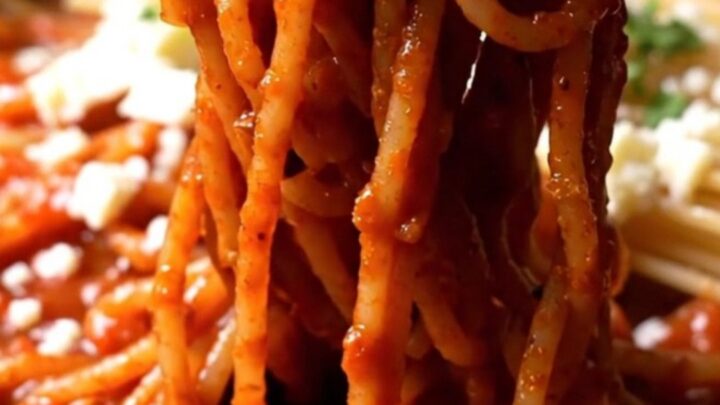
The spaghetti is glossy, coated in a thick, spicy tomato sauce, with crispy, caramelized edges visible throughout. The stracciatella is melting into the hot pasta, creating creamy pockets, and the parsley adds a fresh, green contrast. The dish is ready to serve immediately—the contrast of textures and temperatures is at its peak right now. Ensure you scrape up all the crispy bits from the bottom of the skillet to serve with the pasta.
Common mistakes
A common mistake is stirring the pasta too frequently during the searing phase, which prevents the crust from forming. Let it sit undisturbed to develop that crispy char. Another pitfall is adding too much broth at once, which can make the pasta soggy and prevent the edges from crisping.
Add the broth in small increments, waiting for it to be absorbed before adding more. Finally, be careful not to burn the garlic at the start—keep the heat moderate and stir constantly to avoid a bitter taste.
How to tell it’s done
The spaghetti is done when it is al dente—tender to the bite but still chewy—and the sauce has reduced to a thick, clingy coating. The edges of the pasta should be crispy and caramelized, with deep brown charred spots.
To test, lift a strand from the skillet and taste it: it should be firm but not hard, and the sauce should coat the pasta without pooling excessively. The dish should have a rich, smoky aroma and a glossy appearance. Since there are no raw proteins, there is no minimum internal temperature to check.
Up next · Part 3 of 3
4 variations · storage & make-ahead · 5 answers · printable card
Tips, FAQ & printable recipe (Part 3)← Back to the ingredients (Part 1)