Dinner · Part 3 of 3: Tips & recipe card
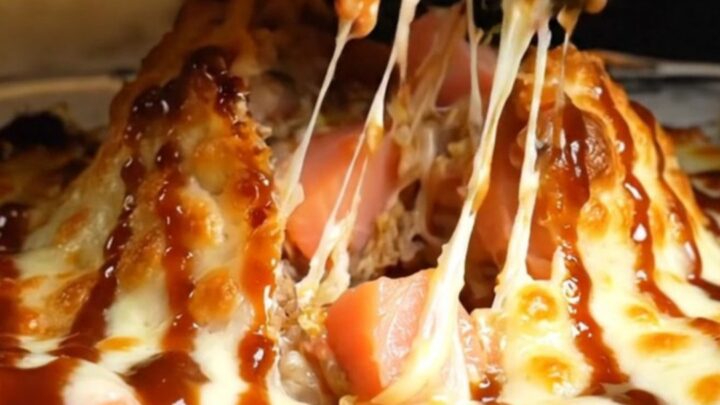
Volcano Salmon Sushi Bake with Crispy Seaweed Tips, FAQ & printable recipe
- Prep
- Cook
- Total
- Serves
- 6
Tips for success
For the best texture, use sushi rice that is slightly warm when pressing it into the dish. Cold rice is harder to compact and may not hold together as well.
If using leftover rice, microwave it briefly to warm it up before pressing. When mixing the salmon and crab, use a gentle hand to keep the salmon cubes intact. This ensures that each scoop has a satisfying bite of salmon.
Broiling times can vary depending on your oven, so watch the casserole closely during the last 2 minutes. The top should become golden and blistered, but not burnt. If the cheese is browning too quickly, move the dish to a lower rack. For a more intense spicy kick, increase the sriracha to 45 ml, but keep the mayo ratio balanced so the dish stays creamy.
Variations
- Spicy Tuna Sushi Bake: Replace the cubed salmon with raw tuna (cut into cubes) and use the same amount. Bake until the tuna reaches 145°F (63°C). The flavor is slightly more delicate, and the texture is buttery. The rest of the ingredients and steps remain the same.
- Vegetable Sushi Bake: Omit the salmon and kani crab. Instead, use 250 g of diced tofu and 300 g of mixed vegetables such as bell peppers, carrots, and zucchini. Toss with the mayo and sriracha, and bake as directed. The tofu should reach 145°F (63°C) if using raw, but it is also fine to use pre-cooked tofu.
- Extra Cheesy Volcano: Increase the mozzarella to 1 1/2 cups and add 1/2 cup of shredded cheddar or pepper jack for a sharper, gooier topping. The extra cheese will create an even more dramatic volcano effect when broiled. Adjust the broiling time slightly to avoid burning.
- Mango Sushi Bake: Add 1 cup of diced ripe mango to the salmon and crab mixture for a sweet, tropical twist. The mango adds freshness and pairs well with the spicy mayo. Fold it in gently just before baking. The mango will soften slightly but retain its juicy texture.
Storage and make-ahead
- Fridge
- Store leftovers in an airtight container in the refrigerator for up to 3 days. Reheat in the microwave or oven until warmed through.
- Freezer
- Freeze the baked casserole in an airtight container for up to 2 months. Thaw overnight in the refrigerator before reheating.
- Reheat
- Reheat in a 350°F (175°C) oven for 10-15 minutes, or microwave individual portions for 1-2 minutes. The nori should be kept separate to stay crispy.
Store any leftovers in an airtight container in the refrigerator for up to 3 days. The casserole can be reheated in the microwave or oven, but the nori should be kept separate to stay crispy.
To reheat, place a portion in the microwave for 1-2 minutes, or in a 350°F (175°C) oven for 10 minutes until heated through. The texture of the rice may soften upon reheating, but the flavor will remain delicious.
The sushi bake can be assembled up to 24 hours in advance. Prepare the rice and the salmon mixture, layer them in the baking dish, and cover tightly with plastic wrap. Refrigerate until ready to bake.
When ready, preheat the oven and bake as directed, adding an extra 2-3 minutes to the baking time to account for the cold dish. The broiling step remains the same. This makes it a great option for entertaining.
Serving ideas
Serve the volcano salmon sushi bake directly from the baking dish, with a pile of roasted seaweed sheets on the side. Guests can scoop a portion onto a nori sheet and wrap it like a hand roll.
The combination of warm, creamy casserole with the crisp, salty nori is irresistible. Add extra unagi sauce and sriracha on the table for those who want more flavor.
This dish is perfect as a main course for a casual dinner party or as a show-stopping appetizer for a larger gathering. For a complete meal, pair it with a simple cucumber salad or miso soup. The vibrant colors of the avocado and masago make it visually appealing, and the aroma will draw everyone to the table. Enjoy it warm, with plenty of napkins.
Frequently asked questions
Can this sushi bake be made ahead of time?
What is the best way to reheat leftovers?
Can this recipe be made without salmon?
Is it necessary to use Kewpie mayonnaise?
How do you prevent the rice from being too sticky?
Volcano Salmon Sushi Bake with Crispy Seaweed
Ingredients
- 400 g seasoned sushi rice
- furikake seasoning, for sprinkling, to taste
- 250 g shredded kani crab
- 300 g cubed salmon
- 60 g Kewpie mayonnaise
- 30 ml sriracha
- 1 cup shredded mozzarella cheese
- unagi sauce, for drizzling, to taste
- 1 avocado, sliced
- masago (capelin roe), for topping, to taste
- roasted seaweed sheets (nori), for serving
Instructions
- Preheat the oven to 400°F (200°C). Lightly grease a 9x13-inch baking dish with a little oil or nonstick spray. Press the seasoned sushi rice evenly into the bottom of the dish, creating a firm, even layer. Sprinkle furikake seasoning generously over the rice according to taste.
- In a mixing bowl, combine the cubed salmon, shredded kani crab, Kewpie mayonnaise, and sriracha. Stir gently until the salmon and crab are evenly coated with the spicy mayo mixture. Be careful not to break up the salmon cubes too much.
- Spread the salmon and crab mixture evenly over the seasoned rice layer in the baking dish. Use a spatula to smooth the top. Sprinkle the shredded mozzarella cheese evenly over the salmon mixture, covering the entire surface.
- Place the baking dish in the preheated oven and bake for 12 minutes, until the casserole is heated through and the cheese begins to melt. The salmon should reach a safe internal temperature of 145°F (63°C) when measured with an instant-read thermometer.
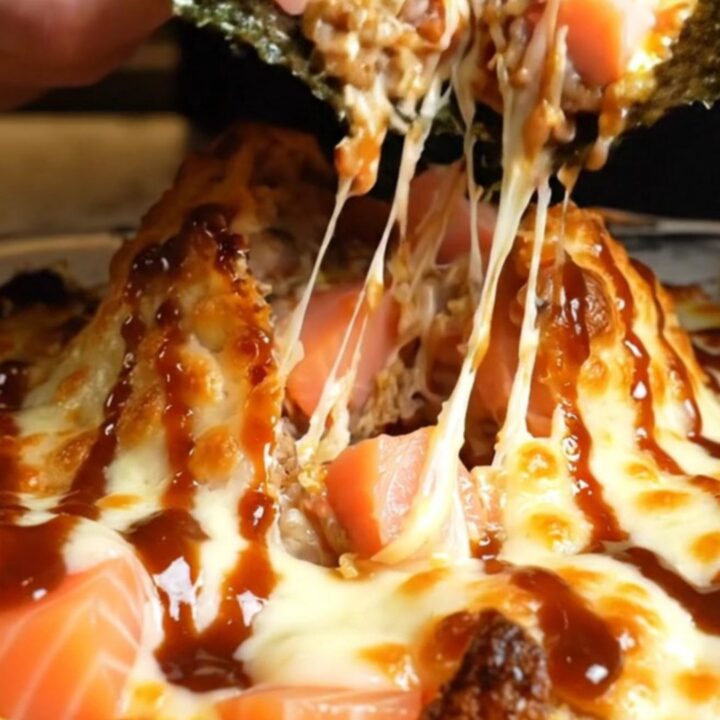
- Switch the oven to broil and continue cooking for 2 minutes, watching closely, until the top is blistered and golden in spots. The cheese should bubble and char slightly, creating volcano-like peaks. Remove from the oven carefully.
- Drizzle unagi sauce over the hot casserole. Arrange sliced avocado on top and sprinkle with masago. Serve immediately with roasted seaweed sheets for scooping. Let the casserole cool for 2 minutes before serving, then enjoy.
Estimated nutrition per serving
- Calories
- 480
- Protein
- 25 g
- Carbohydrates
- 40 g
- Fat
- 25 g
Next recipe
Crispy Kimchi and Mozzarella Mandu
See the recipe → →This recipe is based on a short cooking video and is published under the pen name Clara Weller. It was checked before publication, but errors can slip through. Nutrition, when shown, is an estimate. Read more in our editorial policy and on our food safety page.
More recipes to try
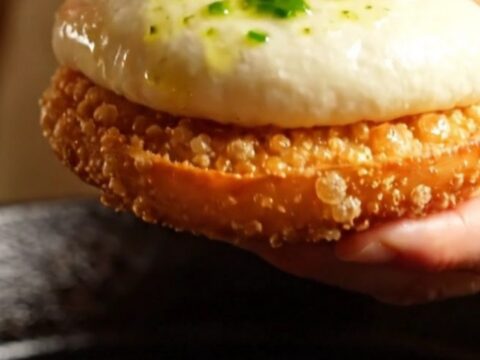
Crispy Bottom Chicken Shiitake Baozi: Pan-Seared Steamed Buns
Total time: 1 h 40 min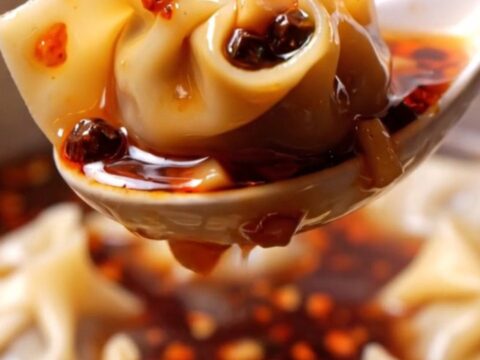
Sichuan Red Oil Wontons: Sweet & Spicy in 20 Minutes
Total time: 20 min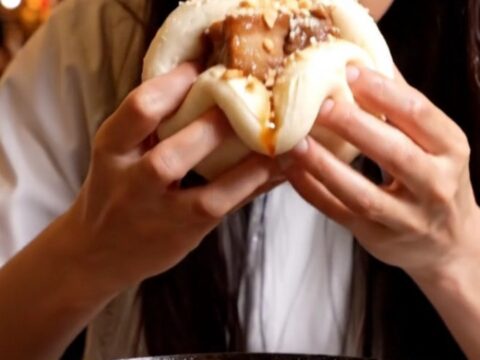
Classic Taiwanese Braised Pork Belly Gua Bao
Total time: 18 min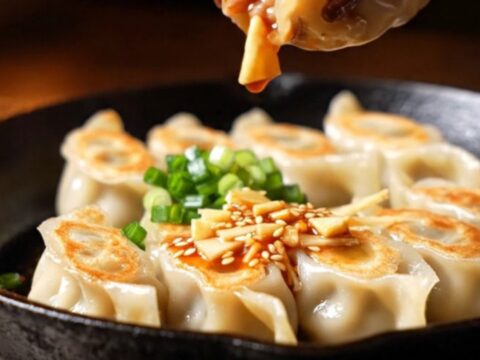
Crispy Chili Garlic Pork Gyoza
Total time: 27 min
Birria Soup Dumplings with Melted Oaxaca Cheese
Total time: 30 min