Desserts · Part 3 of 3: Tips & recipe card
Crockpot Caramel Pecan Monkey Bread: Gooey Pull-Apart Treat Tips, FAQ & printable recipe
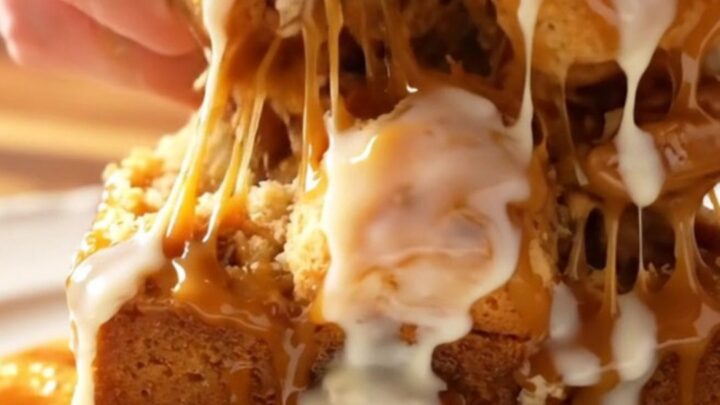
- Prep
- Cook
- Total
- Serves
- 8
Tips for success
For the best texture, use full-fat buttermilk biscuits — they stay tender and fluffy. If you want extra crunch, toast the pecans in a dry skillet over medium heat for 3-4 minutes until fragrant, then let them cool before layering. This brings out their nutty oils and adds a deeper flavor to the finished bread.
To make the vanilla glaze, whisk together 1 cup confectioners' sugar, 1-2 tablespoons milk, and 1/2 teaspoon vanilla extract until smooth. Adjust the consistency by adding more milk a few drops at a time.
Drizzle generously over the warm monkey bread just before serving. The glaze will set slightly as it cools, creating a beautiful finishing touch.
Variations
- Chocolate Chip Monkey Bread: Add 1 cup of semisweet chocolate chips to the layers, alternating with the pecans. The chocolate melts into the caramel, creating a gooey, chocolaty surprise in every bite. Omit the vanilla glaze or use a chocolate glaze instead.
- Apple Cinnamon Monkey Bread: Peel and dice 2 medium apples and toss them with the cinnamon-sugar biscuit pieces. Layer the apples with the pecans. The apples soften during slow cooking, adding a fruity, tender texture and a hint of tartness that balances the sweet caramel.
- Pumpkin Spice Monkey Bread: Add 1 teaspoon pumpkin pie spice to the cinnamon-sugar mixture and stir 1/2 cup canned pumpkin puree into the melted butter and brown sugar glaze. The pumpkin adds a warm, autumnal flavor and a slightly denser texture. Proceed with the recipe as written.
- Bourbon Caramel Monkey Bread: Stir 2 tablespoons bourbon into the melted butter and brown sugar glaze. The bourbon adds a smoky, complex note that pairs beautifully with the pecans. Cook as directed — the alcohol will mostly cook off, leaving behind a rich flavor.
Storage and make-ahead
- Fridge
- Store leftovers in an airtight container in the refrigerator for up to 4 days. Let cool completely before refrigerating.
- Freezer
- Freeze the baked, unglazed monkey bread for up to 2 months. Wrap tightly in plastic wrap and then foil. Thaw overnight in the fridge.
- Reheat
- Reheat individual pieces in the microwave for 20-30 seconds, or reheat the whole loaf in a 300°F (150°C) oven for 10-15 minutes covered with foil.
Store leftover monkey bread in an airtight container at room temperature for up to 2 days. The caramel may harden slightly, but reheating will bring back the gooey texture.
To reheat, place individual pieces on a microwave-safe plate and heat in 20-second intervals until warm and sticky. Alternatively, reheat the entire loaf in a 300°F (150°C) oven for 10-15 minutes, covered with foil to prevent drying.
You can assemble the entire monkey bread in the Crockpot up to 4 hours ahead of time. Prepare the biscuit pieces, toss with cinnamon sugar, layer with pecans, and pour over the butter-brown sugar glaze.
Cover and refrigerate. When ready to cook, place the Crockpot insert directly into the base and cook on HIGH for 2 hours and 15 minutes, adding a few extra minutes to account for the cold start.
Serving ideas
This monkey bread is best served warm, straight from the Crockpot. Pull apart the pieces with forks or your fingers — it's meant to be a communal, shareable dessert.
The gooey caramel and soft biscuit bites are delicious on their own, but a scoop of vanilla ice cream or a dollop of whipped cream takes it over the top. Serve it on a large platter with extra vanilla glaze on the side for drizzling.
This recipe is perfect for brunch buffets, holiday mornings, or potlucks. The presentation is impressive, and the aroma will draw everyone to the table. Pair it with coffee, hot cider, or cold milk. For a festive touch, sprinkle with a little extra cinnamon or a pinch of sea salt before serving to balance the sweetness.
Frequently asked questions
Can this monkey bread be made with homemade biscuit dough?
Why does the monkey bread sometimes come out doughy in the center?
Can this recipe be doubled for a larger crowd?
Is it necessary to use parchment paper?
Can the vanilla glaze be made ahead?
Crockpot Caramel Pecan Monkey Bread: Gooey Pull-Apart Treat
Ingredients
- 2 cans (16.3 oz each) refrigerated buttermilk biscuits, quartered
- 2 tbsp ground cinnamon
- 1/2 cup granulated sugar
- 1 cup chopped pecans
- 1/2 cup unsalted butter, melted
- 1 cup dark brown sugar, packed
- vanilla glaze, for serving
Instructions
- Quarter the refrigerated buttermilk biscuits. In a large bowl, whisk together the granulated sugar and ground cinnamon. Add the biscuit quarters and toss until every piece is well coated with the cinnamon sugar.
- Line the Crockpot insert with parchment paper. Spread a layer of the cinnamon-sugar biscuit pieces in the bottom, then sprinkle with a handful of chopped pecans. Repeat layering until all biscuit pieces and pecans are used.
- In a small bowl, stir together the melted butter and dark brown sugar until smooth. Pour the glaze evenly over the biscuit and pecan layers in the Crockpot.
- Cover the Crockpot with the lid and cook on HIGH for 2 hours, until the biscuits are puffed, cooked through, and the glaze has thickened into a sticky caramel. Do not lift the lid during the first 90 minutes.
- Insert an instant-read thermometer into the center of the monkey bread; it should register at least 160°F (71°C) to ensure the biscuit dough is fully cooked. The top should be deep golden brown and the glaze bubbling.
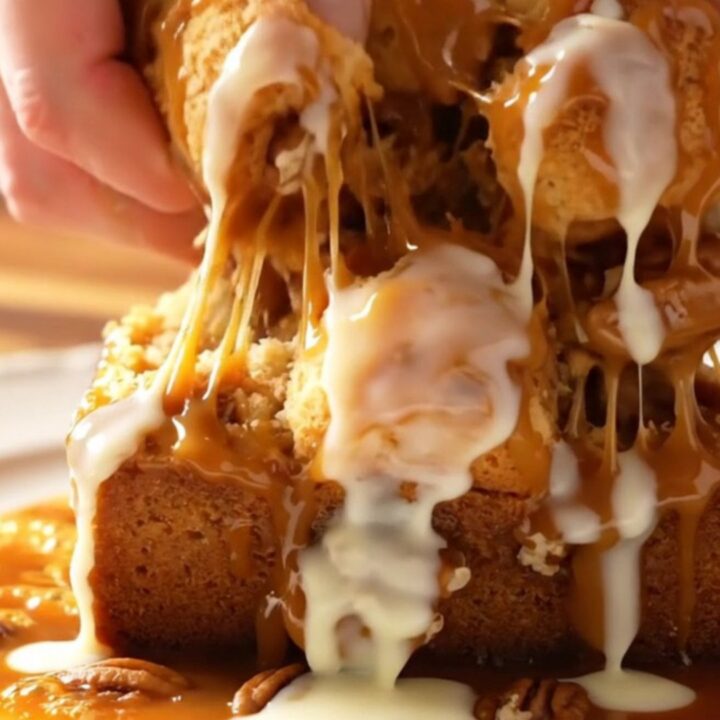
- Carefully lift the parchment paper out of the Crockpot and invert the monkey bread onto a serving platter. Peel away the parchment. Drizzle with vanilla glaze while still warm.
- Serve immediately, pulling apart the warm, gooey pieces with forks or fingers. The caramel sauce will be very hot, so let it cool for a few minutes before serving.
Estimated nutrition per serving
- Calories
- 480
- Protein
- 5 g
- Carbohydrates
- 62 g
- Fat
- 25 g
Next recipe
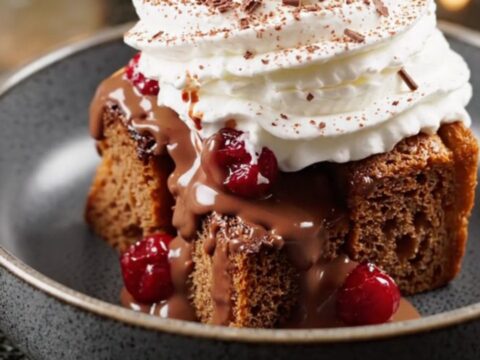
Slow-Cooker Black Forest Chocolate Cherry Bread Pudding
See the recipe → →This recipe is based on a short cooking video and is published under the pen name Clara Weller. It was checked before publication, but errors can slip through. Nutrition, when shown, is an estimate. Read more in our editorial policy and on our food safety page.
More recipes to try

Crockpot Eggnog Rum Brioche Bread Pudding
Total time: 3 h 15 min
Slow-Cooker Nutella Strawberry Croissant Pudding
Total time: 2 h 45 min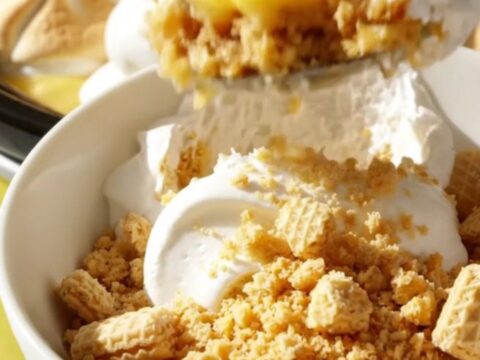
Crockpot Lemon Meringue Pie Spoon Pudding: No Crust Rolling
Total time: 2 h 15 min
Slow-Cooker Maple Pecan Donut Bread Pudding
Total time: 2 h 45 min
Slow-Cooker Sweet Potato Marshmallow Pecan Bake
Total time: 2 h 55 min