Desserts · Part 3 of 3: Tips & recipe card
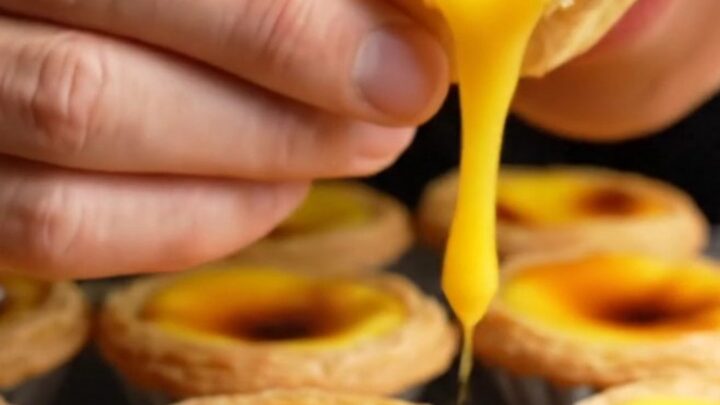
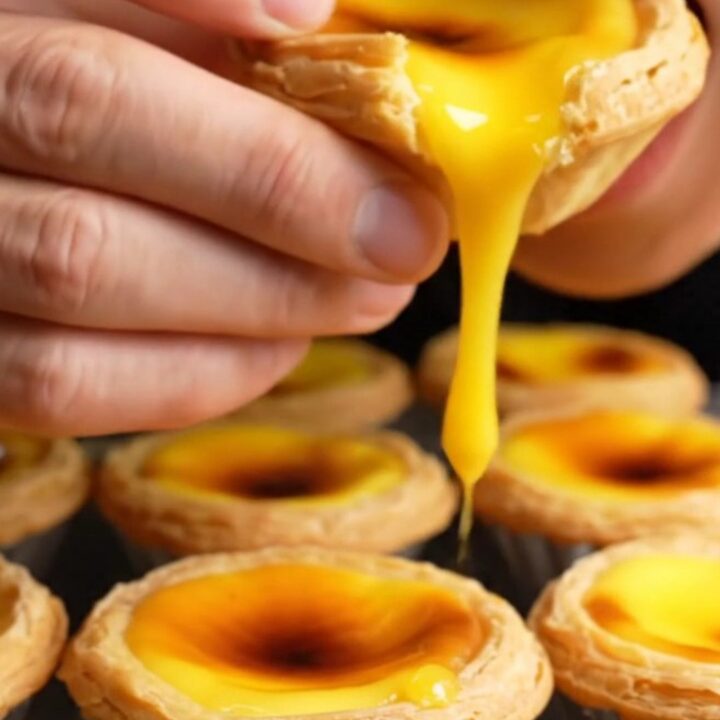
Silky Hong Kong Egg Tarts with Flaky Pastry Tips, FAQ & printable recipe
- Prep
- Cook
- Total
- Serves
- 12
Tips for success
If you find that your oven runs hot, you may need to reduce the temperature slightly to 350°F (175°C) and extend the baking time by a few minutes.
Always keep a close eye on the tarts during the final phase of baking, as the custard can go from perfectly set to overcooked very quickly. Using an oven thermometer is a great way to ensure your oven is actually at the temperature it claims to be.
The quality of the evaporated milk is crucial for the richness of the custard. Make sure to use full-fat evaporated milk rather than a lighter version, as the fat content is necessary for the smooth, creamy mouthfeel that characterizes these tarts.
If you want to add a hint of flavor, you can infuse the hot water with a small piece of ginger or a drop of vanilla extract, though traditional recipes usually rely on the pure, clean taste of eggs and milk.
Variations
- Ginger Infused Tarts: Steep a small slice of fresh ginger in the hot water before mixing it with the other custard ingredients. This adds a subtle, warming spice that cuts through the richness of the egg.
- Vanilla Bean Tarts: Scrape the seeds from half a vanilla bean into the egg and sugar mixture. The tiny black specks look elegant and add a classic aromatic sweetness to the custard.
Storage and make-ahead
- Fridge
- Store in an airtight container for up to 3 days. The pastry will lose its crunch over time.
- Reheat
- Reheat in a preheated oven at 300°F (150°C) for 5-8 minutes until warmed through and the crust is crisp again.
Store any leftover egg tarts in an airtight container at room temperature for up to one day. For longer storage, keep them in the refrigerator, but be aware that the pastry will soften due to the moisture in the custard. To maintain the best quality, consume them as soon as possible after baking, as they are truly best enjoyed while the crust is still crisp and fresh.
You can prepare the pastry and press it into the tins ahead of time, keeping them refrigerated until you are ready to bake.
The custard mixture can also be prepared a few hours in advance; keep it covered in the refrigerator and give it a gentle whisk before pouring it into the shells. Do not bake the tarts until you are ready to serve them, as the pastry will lose its crispness quickly once filled.
Serving ideas
These tarts are best served warm, shortly after they have cooled enough to be handled. The contrast between the warm, flaky crust and the silky, trembling custard is the highlight of the experience. Serving them with a hot cup of tea, such as a traditional Hong Kong style milk tea, complements the richness of the custard and balances the sweetness of the dessert perfectly.
While they are most authentic when served warm, they can also be enjoyed at room temperature. Avoid serving them directly from the refrigerator, as the cold temperature mutes the delicate flavor of the eggs and makes the pastry taste greasy rather than crisp.
If you have refrigerated them, let them sit at room temperature for at least 30 minutes before serving to allow the flavors and textures to return to their optimal state.
Frequently asked questions
Why is the custard surface bubbling?
Can the pastry be made gluten-free?
How can the pastry be kept from getting soggy?
Silky Hong Kong Egg Tarts with Flaky Pastry
Ingredients
- 300 g butter-lard flaky pastry
- 4 eggs
- 100 g sugar
- 200 ml hot water
- 80 ml evaporated milk
Instructions
- Press the butter-lard flaky pastry evenly into the fluted tart tins, ensuring it reaches the edges without tearing the delicate layers.
- Whisk the eggs, sugar, hot water, and evaporated milk together in a mixing bowl until the sugar is fully dissolved, then strain the mixture through a fine mesh strainer three times to remove any bubbles or solids.
- Pour the custard into the pastry-lined tins and bake at 375°F (190°C) for twenty minutes, propping the oven door slightly ajar for the final 5 minutes to ensure the custard sets perfectly without bubbling. The custard is done when it reaches 160°F (71°C).
Estimated nutrition per serving
- Calories
- 280
- Protein
- 6.5 g
- Carbohydrates
- 22 g
- Fat
- 18.5 g
- Fiber
- 0.5 g
- Sugar
- 12 g
- Sodium
- 150 mg
Next recipe
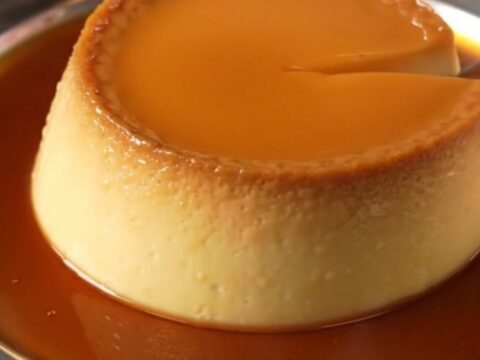
Silky French Crème Caramel Flan with Amber Caramel
See the recipe → →This recipe is based on a short cooking video and is published under the pen name Clara Weller. It was checked before publication, but errors can slip through. Nutrition, when shown, is an estimate. Read more in our editorial policy and on our food safety page.
More recipes to try
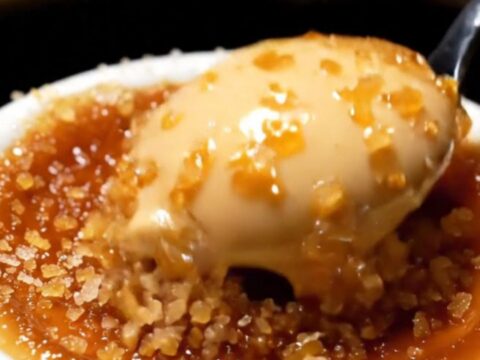
Espresso Kahlúa Crème Brûlée with Torched Sugar Crust
Total time: 55 min
Crispy Portuguese Pastel de Nata Tarts from Scratch
Total time: 1 h 27 min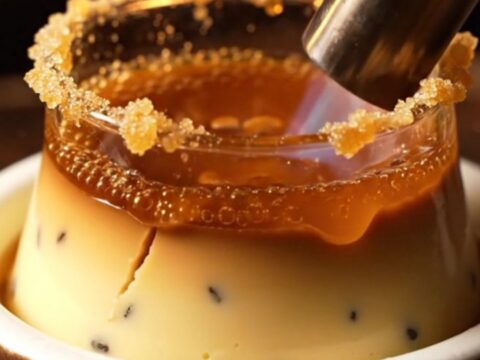
Classic Crème Brûlée with a Perfect Glassy Sugar Crust
Total time: 4 h 55 min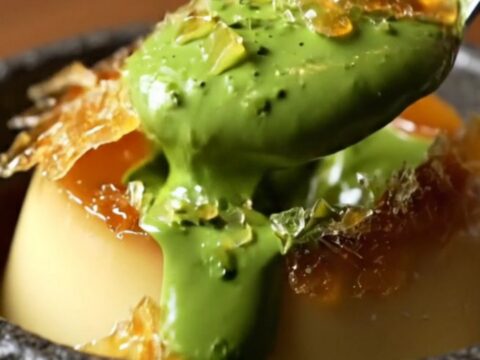
Earthy Uji Matcha Crème Brûlée with a Shattering Sugar Crust
Total time: 4 h 55 min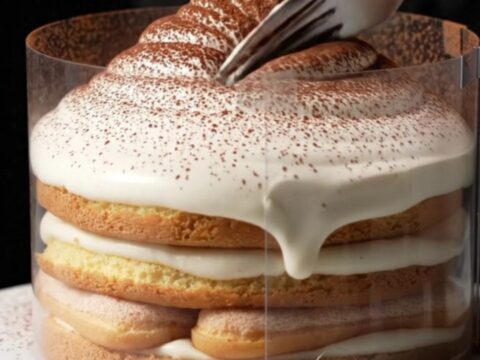
Viral Tsunami Tiramisu Cake
Total time: 2 h 30 min