Dinner · Part 3 of 3: Tips & recipe card
12-Minute Honey Garlic Shrimp Lo Mein in One Skillet Tips, FAQ & printable recipe
- Prep
- Cook
- Total
- Serves
- 4
Tips for success
Dry the shrimp thoroughly and give the skillet a full two minutes to heat — those two habits do more for the final dish than any ingredient upgrade. Keep everything within arm's reach before the burner goes on: the active cooking window is about five minutes and there is no pause to chop or measure.
If the honey has crystallized, warm the bowl in the microwave for ten seconds and whisk again. When doubling the recipe, sear the shrimp in two batches; a crowded pan is the single fastest way to lose the caramelization this dish depends on. Taste the glaze before it hits the pan and adjust the honey or soy to preference.
The glaze should taste slightly stronger than the finished dish, since the noodles dilute it as they absorb. If it tastes flat, a few extra drops of sesame oil sharpen it; too sweet, a splash of soy rebalances. Serve lo mein on warm plates, because a cold plate stiffens the glaze and dulls the aroma.
Eat with chopsticks or a fork and spoon, twirling small nests so each bite carries shrimp, mushroom, and pea together. Leftover glaze stuck to the pan releases with a splash of water over medium heat — wipe, rinse, and the skillet is clean.
Variations
- Spicy chili lo mein: Whisk 1 to 2 teaspoons of chili garlic sauce into the honey garlic glaze before it hits the pan. The heat cuts the sweetness and turns the dish into a fiery takeout-style lo mein. Start with one teaspoon, taste after the toss, and add more only if the noodles can take it.
- Chicken thigh version: Swap the shrimp for 14 ounces of boneless, skinless chicken thighs cut into bite-size pieces. Sear them 5 to 6 minutes until they register 165°F (74°C) inside, then continue exactly as written. The glaze clings to chicken beautifully and the cook time stays under twenty minutes.
- Vegetable lo mein: Skip the shrimp and double the shiitakes, adding sliced bell pepper and shredded cabbage with the snow peas. Toss the vegetables with the reduced glaze before the noodles go in so they soak up flavor. Finish with an extra drizzle of toasted sesame oil for richness.
- Ginger scallion twist: Add 1 tablespoon of freshly grated ginger to the sauce with the garlic and use 4 sliced scallion whites in the stir-fry. Scatter the green tops over the finished lo mein. The ginger brightens the honey and gives the dish a sharper, more aromatic edge.
Storage and make-ahead
- Fridge
- Refrigerate in an airtight container for up to 3 days; the noodles keep absorbing the glaze as they sit.
- Freezer
- Freezing is not recommended: the snow peas turn watery and the glaze loses its glossy cling. Freeze the sauce alone for up to 2 months instead.
- Reheat
- Reheat in a skillet over medium heat with a splash of water for 3 to 4 minutes, tossing until steaming and glossy again.
Cool leftovers no longer than two hours at room temperature, then transfer to an airtight container and refrigerate for up to three days. Expect the noodles to keep absorbing the glaze as they sit, so the dish tastes slightly less saucy on day two — a splash of water while reheating brings it back.
Store the shrimp and noodles together; separating them dries the shrimp out. Do not leave the pan on the stove to reheat later at leisure; refrigerate properly and reheat fresh. The snow peas soften overnight but still taste good folded into the warm noodles.
The honey garlic sauce can be whisked up to three days ahead and kept in a jar in the refrigerator; the garlic mellows slightly as it sits, which some cooks prefer. The shiitakes can be sliced and the snow peas trimmed a day ahead, stored in a container in the fridge.
Cook the noodles the day of serving — they turn sticky and clump overnight, and no amount of rinsing fully restores their texture. The shrimp should be patted dry and seared just before eating, since seared shrimp reheated the next day never regain their caramelized edges.
Serving ideas
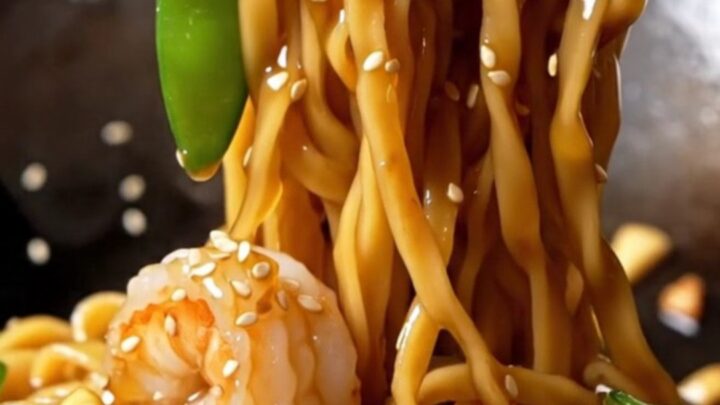
Serve straight from the skillet into warm bowls, twirling the noodles into loose nests and draping the caramelized shrimp over the top so the glaze runs down into the strands. Scatter the sesame seeds at the table if the pan sits for a moment, so they keep their toast. A pair of chopsticks and a spoon make the twirling easy, but a fork works perfectly well. This is a complete one-bowl dinner; if anything accompanies it, keep it cold and crisp — a simple cucumber salad cuts through the sweet glaze without competing.
For a casual dinner party, set the skillet on a trivet in the middle of the table and let everyone serve themselves — the glaze stays glossy longer in the warm pan. Portion about a quarter of the noodles per person with five or six shrimp each. If serving with drinks, a cold lager or jasmine tea suits the sweet garlic well. Have napkins within reach; sticky fingers are part of the experience. Any second helpings should be reheated briefly in the skillet, not the microwave, to bring back the glossy cling of the glaze.
Frequently asked questions
Can frozen shrimp be used in this recipe?
What can replace the fresh lo mein noodles?
Why did the glaze turn bitter?
Can this be made ahead for a dinner party?
Is oyster sauce necessary for the glaze?
12-Minute Honey Garlic Shrimp Lo Mein in One Skillet
Ingredients
- 1/4 cup soy sauce (60 ml)
- 3 tbsp wildflower honey (45 ml)
- 1 tbsp oyster sauce
- 6 cloves garlic cloves, minced
- 1 tsp toasted sesame oil
- 14 oz peeled jumbo shrimp (400 g), patted dry
- 14 oz fresh egg lo mein noodles (400 g)
- 6 oz shiitake mushrooms, sliced
- 6 oz snow peas, trimmed
- 1 tbsp toasted sesame seeds
Instructions
- Add the soy sauce, honey, oyster sauce, minced garlic, and toasted sesame oil to a small bowl and whisk until the honey dissolves completely and the mixture looks uniform and glossy. Keep the bowl next to the stove; the sauce goes in fast once the shrimp are seared, so there is no time to measure anything later.
- Bring a pot of water to a boil and cook the fresh egg lo mein noodles according to the package directions, just until springy, then drain well in a colander. While the water heats, wipe the shiitakes clean, slice them, and pull the strings from the snow peas. Pat the shrimp completely dry with paper towels on both sides.
- Set a large skillet or wok over high heat and let it get properly hot for a full two minutes; a drop of water should skitter and evaporate on contact. A screaming-hot surface is what gives the shrimp a caramelized sear instead of a gray, steamed exterior, so resist the urge to add the shrimp early.
- Add the shrimp in a single uncrowded layer and sear undisturbed for about 2 minutes, until the undersides turn pink and deeply caramelized. Flip and cook 1 to 2 minutes more, until the shrimp are opaque throughout and register 145°F (63°C) at the thickest part. Transfer them to a plate immediately so they carryover gently.
- Add the sliced shiitakes and snow peas to the hot skillet, tossing for about 1 minute in the browned bits the shrimp left behind. The mushrooms should brown at the edges and the snow peas turn vivid green while staying crisp. If the pan looks dry, a spoonful of the whisked sauce loosens everything beautifully.
- Pour the honey garlic sauce into the skillet and let it bubble over high heat for about 30 seconds, stirring, until it thickens slightly and turns glossy. The honey concentrates quickly, so keep everything moving. The glaze is ready when it coats the back of a spoon before the noodles go in.
- Add the drained noodles and return the seared shrimp with any collected juices. Toss constantly with tongs for 1 to 2 minutes, lifting from the bottom of the pan, until every strand is coated and the glaze reduces to a sticky sheen that clings to the noodles rather than pooling beneath them.
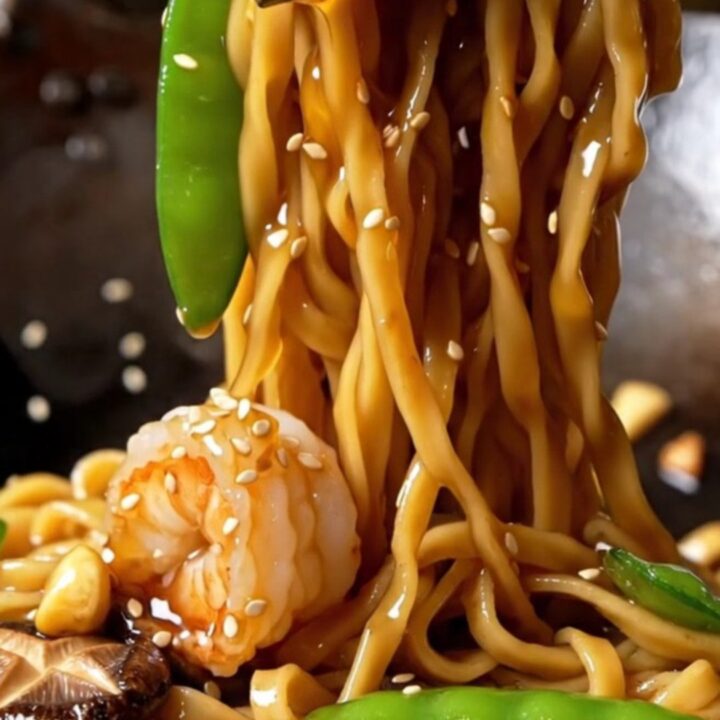
- Turn off the heat, scatter the sesame seeds over the top, and give one final toss. Lift a high tangle of noodles with the tongs; it should hold together, glossy and slow-dripping. Taste and adjust with a small drizzle of honey or a splash of soy sauce if the balance needs it.
- Slide the lo mein onto warm plates or into bowls straight from the skillet, twirling the noodles into loose nests and topping each with the caramelized shrimp. Serve immediately while the glaze is hot and glossy; lo mein waits for no one, and the texture is at its best within the first few minutes.
Estimated nutrition per serving
- Calories
- 540
- Protein
- 32 g
- Carbohydrates
- 85 g
- Fat
- 8 g
- Sodium
- 1450 mg
Next recipe
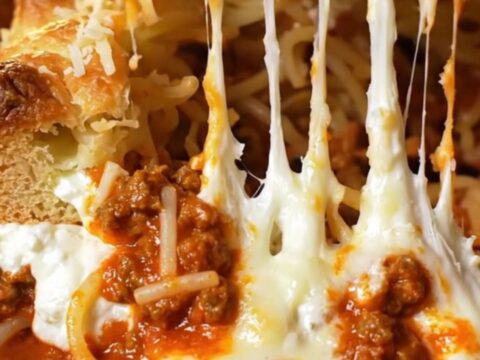
Million-Dollar Baked Spaghetti with a Creamy Hidden Layer
See the recipe → →This recipe is based on a short cooking video and is published under the pen name Clara Weller. It was checked before publication, but errors can slip through. Nutrition, when shown, is an estimate. Read more in our editorial policy and on our food safety page.
More recipes to try
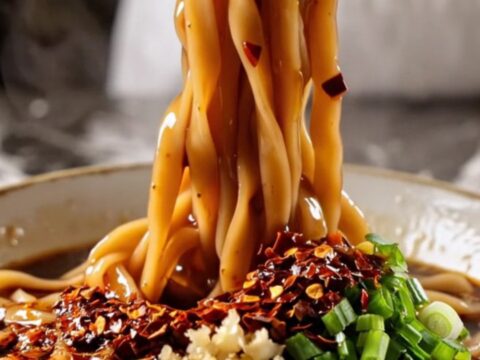
Biang Biang Noodles with Sizzling Chili Oil in 40 Minutes
Total time: 1 h 10 min
Crockpot Million Dollar Kielbasa and Potatoes (Dump-and-Go)
Total time: 6 h 15 min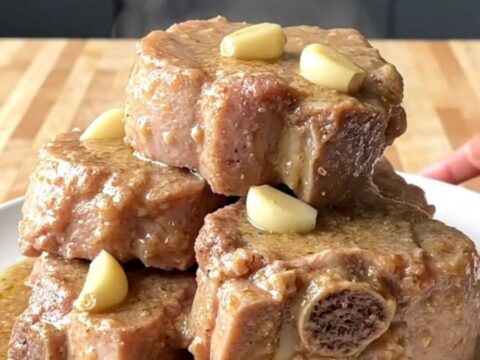
Grandma's Crockpot Pork Roast with Creamy Gravy
Total time: 8 h 15 min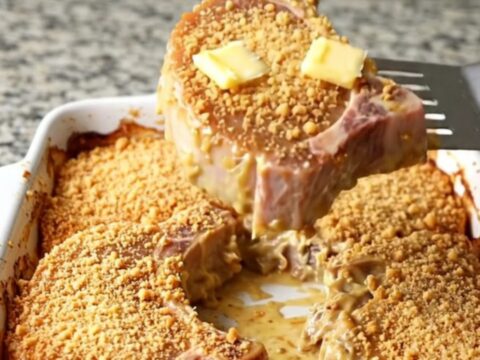
Buttery Cracker Pork Chop Bake — One Pan, Easy Dinner
Total time: 58 min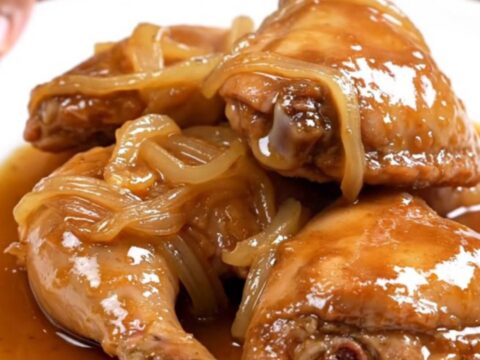
Slow Cooker Sweet Tea Chicken Thighs: Dump-and-Go Dinner
Total time: 6 h 15 min