Breakfast · Part 3 of 3: Tips & recipe card
Flaky Poppy Seed Çörek Buns with Sweet Black Layers Tips, FAQ & printable recipe
- Prep
- Cook
- Total
- Serves
- 8
Tips for success
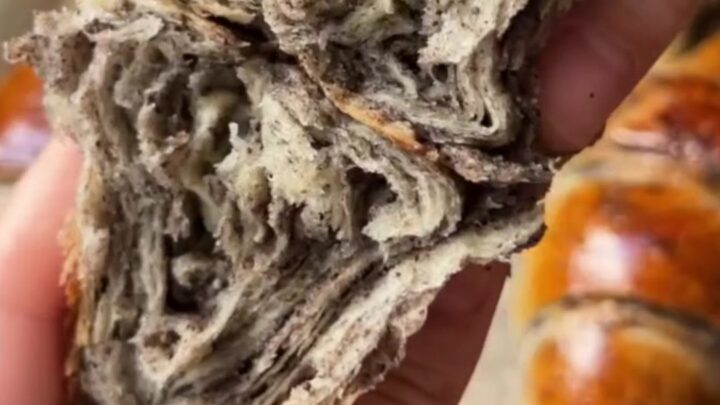
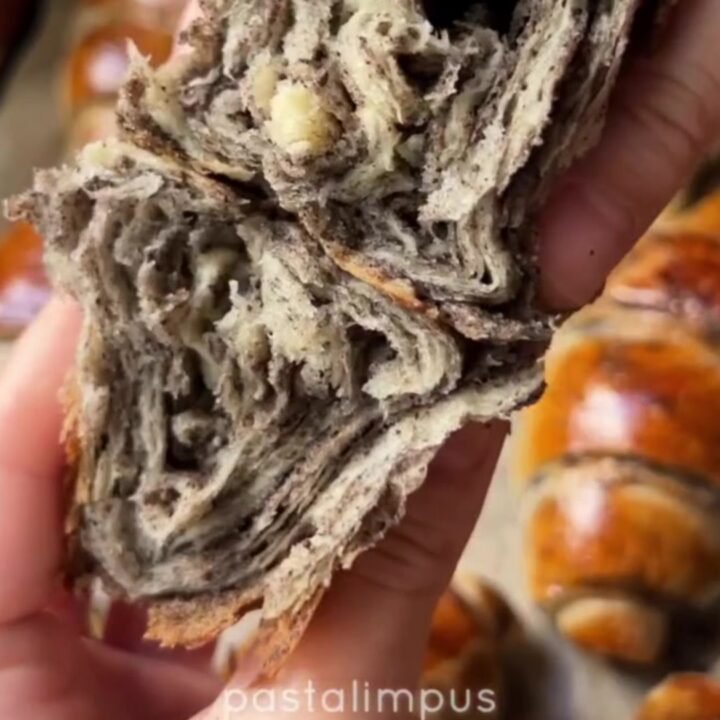
For the flakiest layers, make sure the dough is rolled thin and the filling is spread evenly. When twisting the strips, keep them tight so the spirals stay intact.
If the dough becomes too sticky to handle, chill it for 10 minutes before continuing. Brushing the buns with egg wash twice—once before baking and once halfway through—gives a beautiful, deep golden shine.
These buns are best enjoyed fresh, but they can be stored in an airtight container for up to 3 days. To reheat, warm them in a 300°F (150°C) oven for 5-10 minutes. You can also freeze the baked buns for up to 2 months; thaw overnight in the fridge and reheat before serving. The filling may darken slightly upon standing, but the flavor remains delicious.
Variations
- Cinnamon-Sugar: Swap the poppy seed filling for a mixture of 1/2 cup brown sugar, 2 tbsp ground cinnamon, and 1/4 cup melted butter. Proceed with the same shaping and baking method for a sweeter, spiced bun.
- Chocolate-Hazelnut: Replace the poppy paste with 1 cup chocolate-hazelnut spread and omit the sugar. The filling will be rich and decadent, perfect for a dessert version. Bake as directed.
- Savory Herb: For a savory twist, mix 1 cup cream cheese with 1/2 cup grated Parmesan, 2 tbsp chopped fresh herbs, and a pinch of black pepper. Spread over the dough and proceed as directed.
- Citrus Glaze: After baking, drizzle the buns with a simple glaze made from 1 cup confectioners' sugar and 2 tbsp fresh lemon juice. The tartness balances the sweet filling.
Storage and make-ahead
- Fridge
- Store in an airtight container in the refrigerator for up to 1 week. Reheat in a 300°F (150°C) oven for 5-10 minutes before serving.
- Freezer
- Freeze baked buns in a single layer on a baking sheet, then transfer to a freezer bag.
- Reheat
- Reheat in a 300°F (150°C) oven for 5-10 minutes, or microwave individual buns for 20-30 seconds. Avoid overheating to keep them moist.
Store the buns in an airtight container at room temperature for up to 3 days. To keep them fresh longer, wrap them tightly in plastic wrap and store in the refrigerator for up to a week. Bring to room temperature or reheat before serving. The buns can also be frozen for up to 2 months; wrap individually in plastic wrap and place in a freezer bag.
The dough can be prepared up to the shaping step, covered, and refrigerated overnight. The next day, let it come to room temperature for about 30 minutes before shaping and baking.
The filling can also be made ahead and stored in the fridge for up to 3 days; bring to room temperature before using. Baked buns can be made a day ahead and reheated just before serving.
Serving ideas
Serve the çörek buns warm, straight from the oven, so the layers pull apart easily and the filling is soft and fragrant. They are wonderful with a cup of Turkish tea or coffee.
For a more indulgent breakfast, serve them with a dollop of clotted cream or a drizzle of honey. The sweet, nutty filling pairs beautifully with a tangy yogurt dip or a simple fruit compote.
These buns also make a lovely dessert or afternoon snack. Arrange them on a platter and let everyone pull apart their own spiral. They are perfect for sharing at brunches, picnics, or holiday gatherings.
If you have leftovers, toast them lightly and spread with butter for a quick treat. The possibilities are endless, and every serving is sure to impress.
Frequently asked questions
Can this dough be made without a stand mixer?
What can be used instead of black poppy seed paste?
Why did the buns not rise?
Can the buns be frozen before baking?
How should the buns be stored to stay fresh?
Flaky Poppy Seed Çörek Buns with Sweet Black Layers
Ingredients
- 1 1/2 cups warm milk (300ml)
- 1/2 cup vegetable oil (100ml)
- 3 tbsp granulated sugar
- 1 tsp salt
- 1 packet active dry yeast (11g)
- 1 large egg
- 4 1/2 cups all-purpose flour
- 1 cup black poppy seed paste (haşhaş ezmesi)
- 125 g unsalted butter, melted
- 1/2 cup vegetable oil
- 4 tbsp granulated sugar
- 1 egg yolk, beaten
Instructions
- In a large bowl, whisk together the warm milk, vegetable oil, sugar, salt, yeast, and egg. Let sit for 5 minutes until foamy. Gradually add the flour, stirring with a wooden spoon until a soft dough forms. Turn out onto a floured surface and knead for 8-10 minutes until smooth and elastic. Place in a greased bowl, cover with a towel, and let rest for 40 minutes.
- While the dough rests, make the filling. In a medium bowl, mix the black poppy seed paste with the melted butter, vegetable oil, and granulated sugar. Stir until well combined and smooth. Set aside at room temperature.
- After the dough has rested, punch it down and divide it into two equal portions. On a lightly floured surface, roll each portion into a large rectangle, about 1/4-inch thick. Spread half of the poppy seed filling evenly over each rectangle, leaving a small border. Roll each rectangle tightly into a log, starting from the long side. Pinch the seams to seal.
- Using a sharp knife, slice each log into 1-inch wide strips. Take each strip and twist it several times to create a spiral rope. Then coil the twisted strip into a round snail bun, tucking the end underneath. Place the buns on a baking sheet lined with parchment paper, leaving space between them.
- In a small bowl, beat the egg yolk with a tablespoon of water. Brush the tops of the buns generously with the egg wash. This will give them a shiny, golden crust as they bake.
- Preheat the oven to 375°F (190°C). Bake the buns for 25 minutes, or until they are deeply golden brown and sound hollow when tapped on the bottom. If the tops brown too quickly, cover loosely with foil.
- Remove the buns from the oven and let them cool on the baking sheet for 5 minutes. Then transfer to a wire rack to cool slightly. Serve warm, pulling apart the flaky layers to reveal the sweet poppy seed filling.
Estimated nutrition per serving
- Calories
- 480
- Protein
- 9 g
- Carbohydrates
- 58 g
- Fat
- 24 g
Next recipe

Zebra Croissant Poğaça with Molten Chocolate
See the recipe → →This recipe is based on a short cooking video and is published under the pen name Clara Weller. It was checked before publication, but errors can slip through. Nutrition, when shown, is an estimate. Read more in our editorial policy and on our food safety page.
More recipes to try

Bursting Blueberry Lemon Crumb Muffins
Total time: 37 min
Savory Sucuk and Cheese Pancake Pizza Wedges
Total time: 45 min
Stuffed XXL Pancake with Sucuk and Melted Cheese
Total time: 50 min
Savory Sucuk Breakfast Sheet Cake with Melted Cheese
Total time: 40 min
Crispy Layered Katmer with Buttery Flaky Crust
Total time: 1 h 25 min